Evenbeter rebrands and shifts from vendor to growth partner model
Rebrand from EvenBet Gaming foregrounds partnerships that scale operator growth across markets
Key Takeaways
- Evenbeter rebranded from EvenBet Gaming on 16 October 2026 and repositioned itself as a growth partner, CEO Dmitry Starostenkov wrote.
- The company will apply poker-derived technology and commercial expertise to help operators with market entry, retention and acquisition.
- Evenbeter says integration should be the start of an operator-supplier relationship, including post-integration training and localised support.
- The firm warns that static, product-only suppliers risk being replaced by partners that proactively identify operator needs.
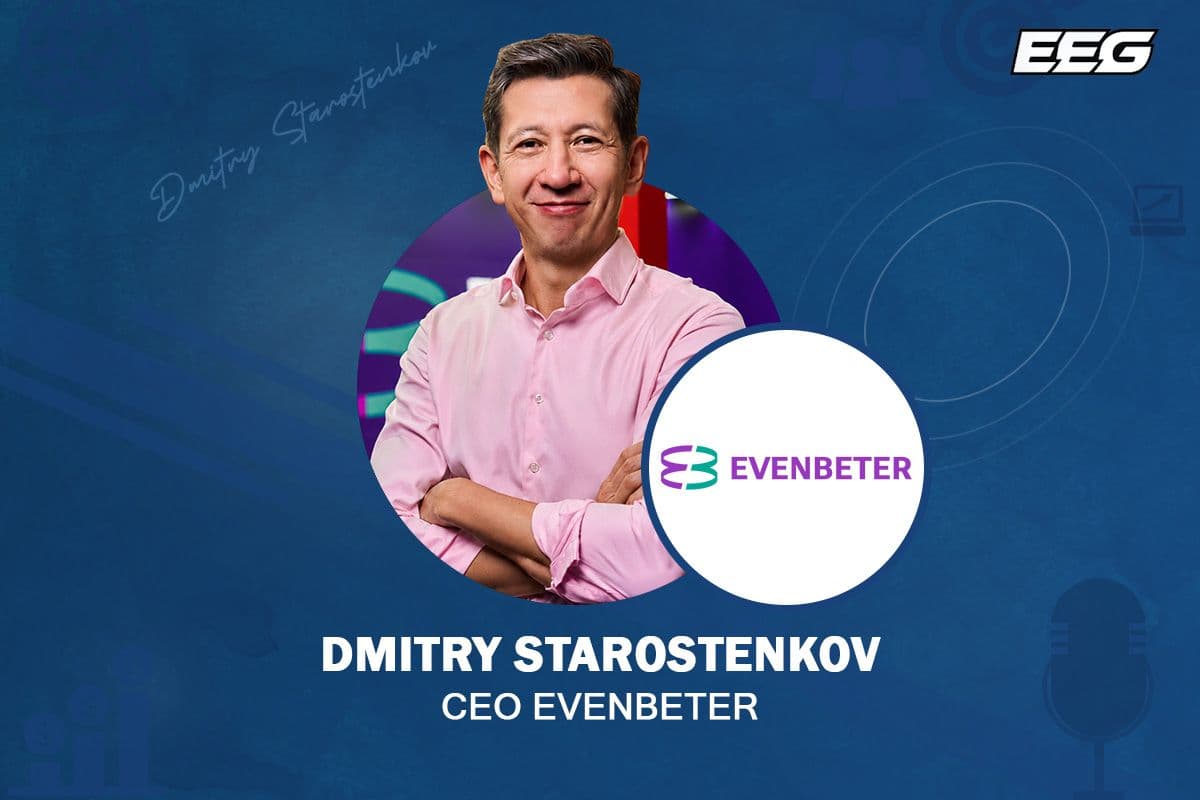
Evenbeter, the company formerly known as EvenBet Gaming, repositioned itself on 16 October 2026 as a growth partner for operators rather than a traditional product vendor, the firm's CEO Dmitry Starostenkov wrote in a commentary published the same day. The rebrand is accompanied by a strategic shift: Evenbeter will apply its poker-derived technology and commercial knowledge to broader operator needs, supporting market entry, retention and acquisition rather than selling single products.
Evenbeter growth partner: the transaction is a strategic repositioning
The change is not a financial deal or acquisition; it is a deliberate repositioning of the supplier-operator relationship. Dmitry Starostenkov, chief executive officer of Evenbeter, frames the move as an answer to the complexity of modern iGaming markets. He argues the historic vendor model—identify a requirement, supply a product, complete an integration and close the contract—no longer matches how operators scale across jurisdictions and verticals.
Starostenkov highlights concrete operational pressures: operators enter multiple jurisdictions quickly, face differing regulation and local consumer preferences, and treat the player journey as an interconnected ecosystem that crosses poker, casino and sportsbook. Evenbeter's stated response is to use its technical base in poker to deliver adaptable, market-aware solutions that function as extensions of an operator's commercial team.
Why the supplier-to-partner model replaces the vendor mentality
Starostenkov sets out the rationale in pragmatic terms. Operators now prioritise outcome over output: they want suppliers who understand commercial objectives and can tailor solutions as market conditions change. A supplier that only fulfils the initial brief, he warns, will not be equipped to help an operator navigate unique regulatory and customer environments.
Three practical implications follow from this diagnosis:
Integration becomes the starting point for a relationship rather than the finish line.
Suppliers must provide operational support, product training and localised assistance after go-live.
Close, proactive dialogue should reveal requirements before they become industry-wide trends.
Evenbeter positions itself to service a range of clients — from challenger brands to tier-one operators — by extending poker technology and know-how into broader use cases. The company says the ambition is not to abandon poker but to build on its expertise to support a broader spectrum of businesses with adaptable solutions.
How market adaptation and regulation drive supplier change
Operators are operating in a fast-moving environment where new markets open, regulation changes and player preferences evolve. Static solutions, Starostenkov warns, will be left behind. He differentiates considered diversification from expansion for expansion’s sake: product portfolios must be rooted in expertise and informed by experience, not trend-chasing.
Evenbeter's strategy aims to convert market signals into product improvements. The firm argues that regular commercial conversations allow it to spot operator needs early and refine products accordingly. The stated result is a cycle where operator challenges feed supplier development and refinements produce better commercial outcomes for operators.
This approach is presented as a response to two persistent operator needs: quicker and safer market entry, and improved player lifecycle economics through measures that affect acquisition and retention.
Collaboration as a commercial differentiator and operational expectation
Starostenkov sets out what he calls accountability as a central pillar of partnership. Evenbeter commits to staying engaged after integration by providing training, operational expertise and localised support. The company frames this ongoing engagement as necessary to translate technical delivery into real-world operator performance.
The commentary contrasts two behaviours. Transactional vendors, Starostenkov says, wait for a brief. A forward-looking partner identifies emerging issues and acts on them. Evenbeter signals it will take the latter stance: aligning with operator visions, tailoring roadmaps to short- and long-term goals, and scaling solutions alongside operator operations.
"A successful integration does not mean a successful partnership. The real value lies in what happens next," Starostenkov writes, encapsulating Evenbeter's central thesis.
What this means for operators, vendors and the market
Operators should expect suppliers to offer more than code and games. Evenbeter suggests demand will grow for vendors able to provide: product roadmaps informed by market intelligence; post-integration operational support; and modular solutions that adapt across verticals and jurisdictions.
For vendors and platform suppliers, the practical stakes are clear. Those that remain product-only risk being replaced by partners that listen, adapt and respond to operator growth needs. For operators, the benefit of partnering with a supplier that acts as a growth function is quicker adaptation to regulation, improved player journeys and a closer alignment between technology investment and commercial outcomes.
Evenbeter's repositioning illustrates a broader industry shift: suppliers must be prepared to embed commercially, not merely deliver technically. The company is banking on its poker heritage and technology to make that transition.
Roadmap and next steps implied by the rebrand
Starostenkov does not publish a granular product roadmap in his commentary, but he outlines the operational capabilities Evenbeter intends to emphasise: market-aware product development, integration-first thinking that extends into operations, and ongoing training and localisation support. The firm frames these capabilities as the practical mechanics of a growth-partner model.
Operators and vendors watching this repositioning should expect further detail from Evenbeter on product modularity, post-integration service levels and case studies showing how poker-derived technology has been repurposed for wider operator needs. The company presents the rebrand as the start of a partnership-focused phase rather than an endpoint.
Frequently Asked Questions
What change did Evenbeter announce on 16 October 2026?
Evenbeter announced a rebrand from EvenBet Gaming and a strategic shift to operate as a growth partner for operators. CEO Dmitry Starostenkov set out the company’s intent to use poker-derived technology and commercial expertise to support operators across market entry, retention and acquisition.
Why does Evenbeter say the traditional vendor model is outdated?
Evenbeter argues the traditional model is transactional and cannot meet the demands of rapid market entry, differing regulation and connected player journeys. Dmitry Starostenkov wrote that operators need suppliers who prioritise outcomes and adapt solutions across jurisdictions and verticals.
What services will Evenbeter emphasise as a growth partner?
Evenbeter intends to emphasise market-aware product development, integration-first approaches that extend into operations, product training and localised support. The company frames these capabilities as necessary to translate technical delivery into commercial outcomes.
Who is the chief executive leading Evenbeter’s repositioning?
Dmitry Starostenkov is the chief executive officer who authored the commentary announcing the repositioning. He framed the move as a response to the complexity and speed of modern iGaming markets.
Tags
About the author

Marcus Webb
Industry Deals Correspondent
Marcus Webb covers the deal flow of the gambling industry — operator strategy, M&A, market entries, and product launches from sportsbook rebrands to full platform migrations. The reports name the companies, valuations, and jurisdictions exactly as disclosed and separate the announcement from its market impact. When a group consolidates a brand or a challenger launches into a new state, Marcus Webb explains who gains, who pays, and what closes next quarter.
More from Marcus Webb