Arkansas attorney general sues Kalshi and VGW for alleged illegal gambling
Griffin seeks restitution, fines and operational bans in November 2026 suits
Key Takeaways
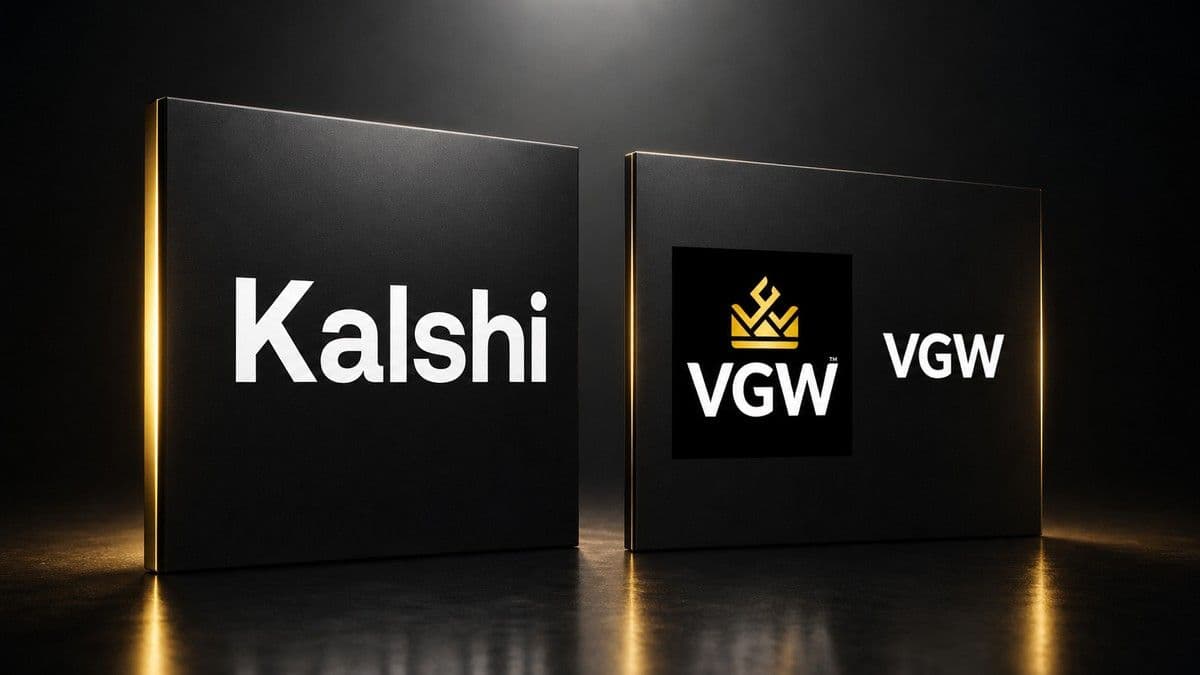
- Tim Griffin, Arkansas attorney general, filed separate lawsuits on 4 November 2026 against Kalshi and VGW alleging illegal gambling and seeking restitution, fines and taxes.
- The Kalshi complaint calls the platform a "pocket-sized bookie" and says its contracts invite bets on football games, elections and awards shows rather than hedging risk.
- The VGW suit targets the company’s dual-currency sweepstakes model, calling the purchase-vs-redeem distinction "weak at best" and seeking restitution, penalties and an injunction.
- Arkansas legalised sports betting in 2018, opened online wagering in March 2022, and the market recorded over $185m in revenue on $2.3bn in handle through May 2026.
Tim Griffin, Arkansas attorney general, filed separate lawsuits on 4 November 2026 against Kalshi and VGW, alleging both companies offered illegal gambling in Arkansas and seeking financial penalties, including restitution to customers and payment of state taxes. Griffin labelled Kalshi a "pocket-sized bookie" and accused VGW of misrepresenting that it does not operate a gambling business.
Allegations against Kalshi
The complaint against Kalshi contends that the prediction markets platform is not limited to contracts that "help market participants hedge economic risk" and instead invites consumers to "risk money on the outcomes of football games, elections, awards shows and virtually any other real-world event." The suit argues that "the existence of legitimate derivatives does not give Kalshi a blank check" to turn real-world facts into wagering opportunities and that, "as to the majority of its offerings, Kalshi is not a risk-management tool; it is a pocket-sized bookie." The filing also frames Kalshi’s marketplace in the context of [prediction markets](/b2b) used by commercial customers and retail users.
"Companies that operate gambling businesses in Arkansas are subject to our gambling laws, plain and simple," Griffin said in a press release.
Griffin further cites Kalshi’s association with the National Council on Problem Gambling (NCPG) as part of his argument. The complaint notes Kalshi offers tools such as self-exclusion, deposit limits and trading pauses, and promotes problem-gambling resources, and it cites that as evidence the company recognises the "real risks" its platform poses to users.
Allegations against VGW and the dual-currency model
The complaint against VGW alleges the company "provides Arkansas residents the opportunity to play a variety of popular online games" and that its claim not to operate a gambling business is false, according to the attorney general’s review. The filing details that the dual-currency model — the distinction between the virtual currency customers purchase and the currency they redeem — "is weak at best" and that courts have rejected that logic in the past.
The VGW case seeks the same form of monetary relief as the Kalshi suit: restitution to customers, fines and an injunction preventing the company from operating in Arkansas in the future.
Arkansas market context
Arkansas legalised sports betting in 2018 via a ballot measure that authorised in-person wagering at four casino locations. The market launched in 2019 and, through early 2022, sports betting receipts topped $1,000,000 in individual months. Arkansas opened online wagering in March 2022 with BetSaracen and added DraftKings and FanDuel apps in March 2026. Through May 2026 the Arkansas market generated more than $185m in revenue on $2.3bn in handle.
Reactions and next steps
Kalshi did not respond to a request for comment before publication. The lawsuits seek financial penalties and operational changes; the court process will determine whether the platforms must cease operations in Arkansas or pay restitution and taxes as the attorney general requests.
Frequently Asked Questions
What does Arkansas allege against Kalshi?
Arkansas alleges Kalshi offers wagering disguised as prediction markets and seeks penalties, restitution of player losses and payment of taxes. The complaint says Kalshi converts events like football games and elections into betting opportunities and calls the platform a "pocket-sized bookie."
Why is VGW being sued in Arkansas?
VGW is sued for allegedly operating a gambling business while claiming not to, and for using a dual-currency model whose legal distinction between purchased and redeemable currency is, the complaint says, "weak at best." The state seeks restitution, fines and a ban on operations in Arkansas.
How does Kalshi’s association with the National Council on Problem Gambling factor in?
The attorney general cites Kalshi’s partnership with the National Council on Problem Gambling and its responsible-gaming tools—self-exclusion, deposit limits and trading pauses—as evidence the company recognises addiction risks, supporting Arkansas’s claim the platform carries gambling-related harms.
What is the status of Arkansas’s betting market before these suits?
Arkansas legalised in-person sports betting in 2018, launched wagering in 2019, opened online betting in March 2022 and added DraftKings and FanDuel in March 2026; through May 2026 the market reported over $185m in revenue on $2.3bn in handle.
Tags
About the author

Renata Quiroga
Betting Markets Correspondent
Renata Quiroga covers sports betting and prediction markets — sportsbook launches, odds technology, event contracts, and the regulatory calls that decide what can be bet on and where. The reports open with the product or the ruling, name operators and platforms precisely, and explain the mechanics without needless jargon. When a book enters a Latin American market or a prediction exchange lists a contested contract, Renata Quiroga reports what changes for the bettor.
More from Renata Quiroga