CFTC orders prediction markets to end state geofencing within 30 days
Exchanges must remove domestic trading blocks or explain why they cannot within 30 days.
Key Takeaways
- The CFTC issued an interpretation on 5 November 2026 under Regulation 38.151(b) requiring DCMs to remove domestic geofencing that violates impartial access rules within 30 days.
- Exchanges and intermediaries must either eliminate geographic trading restrictions or submit written explanations to the CFTC Division of Market Oversight within the 30‑day window.
- DraftKings CEO Jason Robins said on the 6 November 2026 Q3 earnings call that the ruling is unlikely to affect DraftKings significantly.
- Kalshi, Polymarket and Crypto.com have already restricted sports event contracts in Michigan, and courts in Nevada, Washington and the Ninth Circuit have issued varying orders.
- The CFTC did not specify penalties and will assess individual circumstances before pursuing regulatory action.
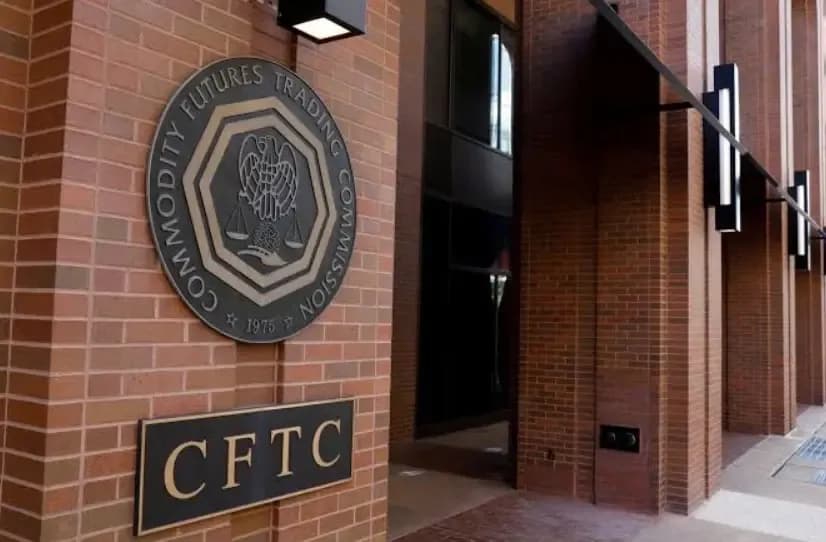
The Commodity Futures Trading Commission ordered CFTC-registered prediction market exchanges on 5 November 2026 to remove geographic trading restrictions that violate federal access rules or to submit written explanations within 30 days. The interpretation cites Commission Regulation 38.151(b) and requires designated contract markets (DCMs) and intermediaries to provide competitive, open, fair and impartial trading access nationwide.
What the CFTC told exchanges
The Commission set a 30‑day deadline for exchanges to eliminate domestic restrictions inconsistent with federal impartial access requirements or to explain to the CFTC Division of Market Oversight why compliance is not possible. The guidance was issued under Commission Regulation 38.151(b). Chairman Michael Selig defended the interpretation in public remarks:
"Derivatives markets must operate on a uniform basis at a national scale in order to achieve the purposes set out in the Commodity Exchange Act," Selig said. "Geographic access restrictions are inconsistent with those purposes and the Act’s impartial access requirements."
The directive also applies to intermediaries that access regulated exchanges, which must follow the same impartial access rules. The CFTC did not attach a specific penalty schedule to the interpretation; the commission stated it will assess individual circumstances before considering regulatory action.
How operators are positioned
DraftKings Inc., which holds designated contract market status, expects limited disruption. DraftKings CEO Jason Robins addressed the issue during the 6 November third‑quarter earnings call and said the company does not expect significant impact. "As far as the CFTC thing, I would not make anything of that," Robins told analysts. He noted there is a process for demonstrating geographic limitations and said DraftKings has had a good relationship with the CFTC.
Other platforms face active court directives that have already forced geographic restrictions. Kalshi, Polymarket and Crypto.com removed sports event contracts from Michigan after court orders. Nevada and Washington have pursued similar restrictions. Several platforms withdrew event contracts from Utah following felony charges filed against Kalshi.
The Ninth Circuit has been central to recent litigation. In August 2026 a unanimous Ninth Circuit ruling rejected Kalshi's argument that Nevada geofencing orders made federal compliance impossible, describing the position as a "false, all‑or‑nothing proposition." On 4 November 2026 the Ninth Circuit required Kalshi to block access to certain contracts on California tribal lands.
Federal rule versus state and tribal law
The dispute rests on the interaction between the Commodity Exchange Act's federal derivatives regime and state gambling laws. Under the Commodity Exchange Act, CFTC‑registered exchanges operate under federal oversight, and the CFTC says that status requires nationwide impartial access. States have argued that sports event contracts are gambling products subject to local licensing and enforcement. Courts have not been uniform in accepting the claim that CFTC registration preempts state enforcement powers.
California Senator Adam Schiff criticised the CFTC guidance, calling it a significant attempt to erode state and tribal authority. The guidance does not automatically overturn state laws or orders and it does not specify how operators should reconcile conflicting court directives with the Commission's impartial access requirement.
Enforcement history and next steps
The November interpretation follows earlier CFTC interventions involving Kalshi. In July 2026 the CFTC instructed Kalshi to honour Michigan trades despite a state court order requiring cancellation. In August 2026 the commission also directed Kalshi to continue operating in New York despite state restrictions. Kalshi's internal enforcement officials have described the situation as difficult for platforms caught between federal direction and state or tribal court rulings.
Exchanges now have 30 days from 5 November 2026 to remove domestic geographic restrictions that the CFTC deems inconsistent with Regulation 38.151(b) or to submit written explanations to the Division of Market Oversight. The commission will review submissions and consider regulatory action on a case‑by‑case basis.
For coverage of how regulators and operators are reacting in real time, see our regulation and sports sections.
Frequently Asked Questions
What did the CFTC require prediction market exchanges to do?
The CFTC required registered exchanges to remove domestic geographic trading restrictions that violate federal impartial access rules or to submit written explanations within 30 days of the 5 November 2026 interpretation under Regulation 38.151(b). The commission said intermediaries must follow the same impartial access requirements.
How did DraftKings respond to the CFTC interpretation?
DraftKings said it expects little disruption; CEO Jason Robins told analysts on the 6 November 2026 third‑quarter earnings call that he did not expect the CFTC guidance to affect DraftKings and noted there is a process for demonstrating geographic limitations.
Do the CFTC rules override state court orders?
The guidance does not automatically override state laws or court orders; the CFTC said it will assess individual circumstances before considering enforcement, and courts have reached differing conclusions in recent cases including rulings from the Ninth Circuit in August 2026 and on 4 November 2026.
Tags
About the author

Tessa Coleman
Betting Markets Correspondent
Tessa Coleman covers betting products and markets — sportsbook launches, odds and trading technology, and the fast-growing prediction-market space from regulated exchanges to event contracts. The stories lead with the product or the ruling, name the operators and platforms precisely, and translate trading jargon into what bettors can actually do. When a book reworks its pricing or a prediction market wins a license fight, Tessa Coleman explains the mechanics and the stakes.
More from Tessa Coleman