Cruz proposes states and tribes must authorize sports-linked contracts in prediction markets
Bill would force state or tribal approval for sports contracts offered after Nov. 3, 2026

Key Takeaways
- U.S. Sen. Ted Cruz intends to introduce a bill after November 3, 2026 requiring state or tribal authorization before prediction markets can offer sports‑linked contracts.
- The proposal would reverse the current federal‑first framework and obligate CFTC‑registered exchanges to obtain permission from each state or tribe before listing sports contracts.
- Eilers & Krejcik Gaming estimated Texas and California accounted for 43% of Kalshi’s volume and that 19 states without legal online sports betting produced 69% of the platform’s total volume.
- Federal appeals courts have issued conflicting rulings on CFTC jurisdiction, prompting Cruz to say Congress may need to resolve the disagreement.
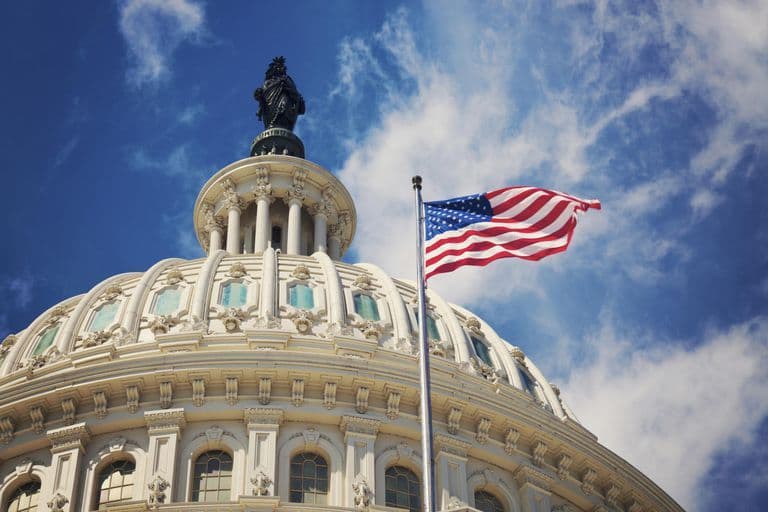
U.S. Sen. Ted Cruz (R-TX) plans to file a bill after the November 3, 2026 midterm elections that would bar prediction markets from offering contracts tied to gaming activities, including sports betting, without authorization from a state or tribal government, Bloomberg Law reported. The proposal would reverse the current rule by requiring state or tribal permission first for exchanges that today operate under the federal framework.
What Cruz’s bill would do
Cruz’s legislation would prevent prediction markets from offering "event contracts" tied to gaming activities, including sports betting, unless a state or tribe explicitly authorizes them. If introduced as reported, it would change the current status in which exchanges registered with the Commodity Futures Trading Commission operate sports contracts nationwide under federal law.
Impact on Kalshi and other CFTC-registered exchanges
Kalshi and other exchanges registered with the Commodity Futures Trading Commission could lose the ability to offer sports contracts in states where they lack authorization. Under Cruz’s proposal, an exchange would first need each state’s or tribe’s permission to operate those contracts there. That could limit operators’ access to Texas, which bans casinos and sports betting and is a material market base for prediction markets.
Eilers & Krejcik Gaming estimated that Texas and California represented 43% of Kalshi’s volume and that, combined, the 19 states without legal online sports betting produced 69% of the platform’s total volume, figures cited in state hearings.
Legislative timing and chances of passage
The bill had not yet appeared on the Congress website at the time of reporting. Cruz plans to introduce the text in the post‑election session following November 3, 2026. The 119th Congress ends in early January 2027, so a "lame‑duck" filing would leave little time for it to advance and, if it stalls, the measure would require reintroduction in the next Congress.
Cruz’s statements and rationale
At a May 20, 2026 hearing before the Senate Commerce subcommittee on sports‑betting integrity and prediction markets, Cruz framed the need to decide how to protect sports integrity and whether prediction markets comply with law or infringe on state sovereignty. He pointed to splits in the courts as a reason for congressional action.
"There is a serious disagreement over whether the CFTC can unilaterally allow prediction markets to offer sports event contracts under the Commodity Exchange Act," Cruz said.
Cruz described sports contracts as, "for all intents and purposes, sports betting" and said his bill would not ban sports contracts outright but would leave the decision to states and tribes.
Judicial context and federal response
Federal courts have issued conflicting rulings. The U.S. Court of Appeals for the Third Circuit ruled for Kalshi in April 2026, concluding the CFTC likely has exclusive jurisdiction over its sports contracts in New Jersey; that decision prompted New Jersey to seek Supreme Court review. The Ninth Circuit ruled in August that Kalshi likely could not show the Commodity Exchange Act preempts Nevada gaming law applied to sports contracts. In September, a Sixth Circuit panel held Kalshi’s sports contracts are not "swaps" and that federal law would not preempt Ohio and Tennessee gaming laws if they were.
The Tenth Circuit denied an order last month to block enforcement, and while Kalshi pursues appeals, Utah Attorney General Derek Brown sued Kalshi and two Susquehanna entities in state court to halt Kalshi’s operations in Utah and recover proceeds.
Meanwhile, the Trump administration has moved in a different direction than Cruz’s proposal. The Commodity Futures Trading Commission adopted a final interim rule, effective Monday [rule effective date], that excludes casino‑style products, including sports betting, from the definition of "swap" when offered off‑exchange by operators supervised by states or tribes. The CFTC also put forward a companion proposal to define event contracts, including sports, as swaps subject to the agency’s jurisdiction.
The situation in Texas and the local response
Texas bans sports betting and casinos, and Lieutenant Governor Dan Patrick, who presides over the state Senate, has sought to close what he calls the "betting loophole" in prediction markets. In 2023 the Texas House passed a bill to legalize sports betting but Patrick prevented the Senate from taking it up; legalization efforts failed in 2025.
Patrick directed the Senate Committee on State Affairs to study the "sudden influx of gambling in prediction markets" and recommend measures to protect the integrity of Texas elections and sports. The committee heard testimony in September from Robert DeNault, Kalshi’s head of compliance, and from Tres York, vice president of the American Gaming Association. DeNault warned that a ban would push Texas bettors to unregulated offshore platforms. York said that 85% of Kalshi’s volume is linked to sports and parlays.
Texas Attorney General Ken Paxton did not join the attorneys general of 39 states and the District of Columbia in supporting New Jersey’s petition to the Supreme Court.
Related legislation in Congress
A Congressional Research Service report lists bills that would directly prohibit sports‑style and casino‑style contracts on CFTC‑registered exchanges, including the Prediction Markets Are Gambling Act and the Fair Markets and Sports Integrity Act. Other bills, such as the Event Contract Enforcement Act and the Prediction Markets Security and Integrity Act, would permit gaming‑linked contracts only where a state allows them.
Cruz’s proposal sits among those options by proposing to delegate the regulatory decision to states and tribes rather than imposing an absolute federal veto on sports contracts.
Frequently Asked Questions
What would Cruz’s bill require for sports contracts in prediction markets?
The bill would require explicit authorization from a state government or a federally recognized tribe before prediction markets could offer contracts tied to gaming, including sports betting, effectively blocking those contracts where permission is not granted.
How would the measure affect Kalshi in states such as Texas?
The measure could prevent Kalshi from offering sports contracts in Texas if the company lacks state or tribal authorization. Eilers & Krejcik Gaming estimated Texas and California made up 43% of Kalshi’s volume, so losing access to Texas would be material.
What court rulings have increased urgency for congressional action, according to Cruz?
The Third Circuit ruled for Kalshi in April 2026, while the Ninth and Sixth Circuits issued contrary rulings in other cases, creating a split on whether the CFTC’s jurisdiction preempts state gaming laws—an inconsistency Cruz cited as a reason for Congress to act.
How has the federal administration approached event contracts?
The Commodity Futures Trading Commission adopted a final interim rule excluding casino‑style products, including sports betting, from the definition of "swap" when offered off‑exchange by state‑ or tribe‑supervised operators, and it proposed a companion rule to define event contracts as swaps under its jurisdiction.
Tags
About the author

Renata Quiroga
Betting Markets Correspondent
Renata Quiroga covers sports betting and prediction markets — sportsbook launches, odds technology, event contracts, and the regulatory calls that decide what can be bet on and where. The reports open with the product or the ruling, name operators and platforms precisely, and explain the mechanics without needless jargon. When a book enters a Latin American market or a prediction exchange lists a contested contract, Renata Quiroga reports what changes for the bettor.
More from Renata Quiroga