David Z. Bean: The Tribal Fight Against Illegal Prediction Markets Intensifies This Fall
The president of the Indian Gaming Association warns that the legal and political offensive against unlicensed online prediction markets will escalate in fall 2026, aiming to defend tribal sovereignty and the integrity of the regulated sector.
Key Takeaways
- The Indian Gaming Association is preparing intensified actions against illegal prediction markets this fall.
- David Z. Bean believes these markets pose a direct threat to tribal sovereignty and regulation.
- Coordination among tribal organizations, state authorities, and the U.S. Congress has strengthened in 2026.
- The CFTC has been criticized for its lack of formal consultation with tribal governments regarding prediction markets.
- The IGA and its allies are preparing lawsuits and legal strategies, including through the Supreme Court.
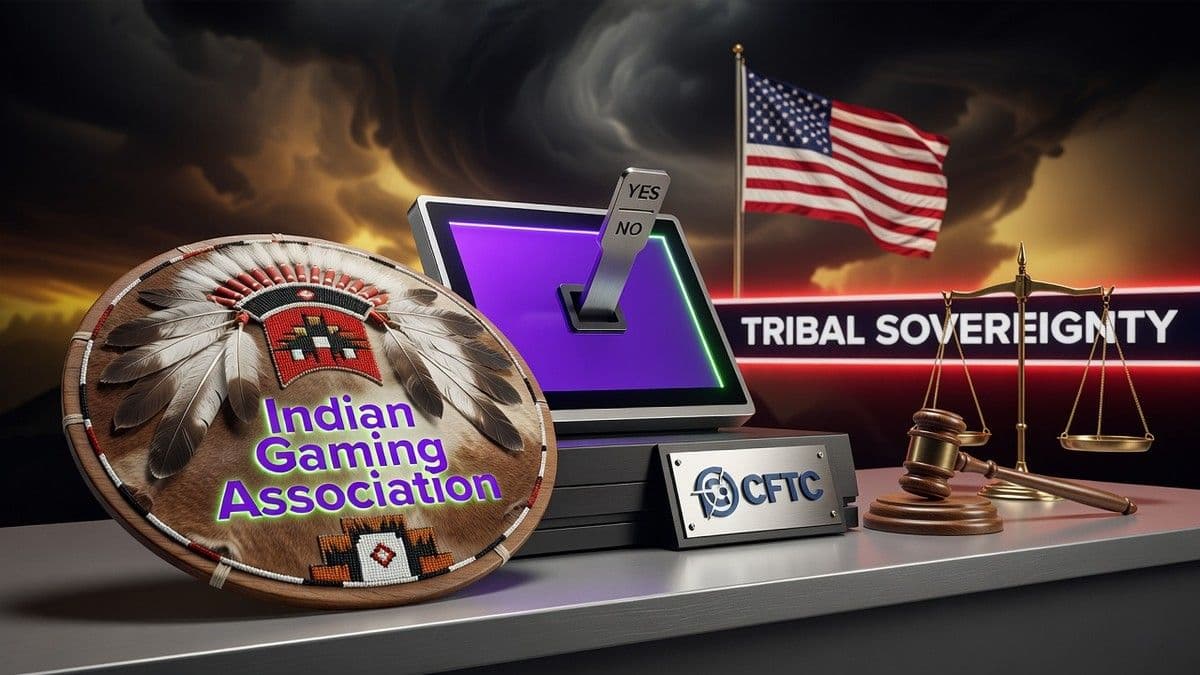
This fall, the Indian Gaming Association (IGA) will strengthen its offensive against illegal prediction markets in the United States, driven by concerns about tribal sovereignty and the future of Indian gaming. This was detailed by its president, David Z. Bean, during the quarterly meeting of the United Indian Nations of Oklahoma (UINO), where he emphasized that the unity and active participation of Tribes will be essential to face regulatory threats and evade attempts to operate outside the law.
The Threat of Prediction Markets and Tribal Sovereignty
Bean raised that prediction markets—originally limited to elections, weather, or cultural events—have expanded into the sports betting environment, seeking shelter under federal regulations for financial products instead of adhering to the tribal, state, or federal gaming frameworks. For tribal leaders, this issue goes beyond the loss of revenue: it involves legal jurisdiction, the Indian Gaming Regulatory Act (IGRA), and the sovereign right to regulate gaming in their territories. The IGA president was emphatic: tribes should not be required to first quantify the economic harm of illegal activity before federal agencies take action.
“All we ask of Congress is to compel the CFTC to enforce the law,” emphasized David Z. Bean before tribal leaders in Oklahoma.
Coordination and National Alliances Against the Expansion of Illegal Markets
In the global gaming context, the IGA coordinates alliances with tribal organizations, industry associations, state attorneys general, the American Gaming Association, and consumer protection groups, aiming to present a united front against the expansion of unauthorized operators. Political pressure has led tribes to intensify their presence in Washington D.C., informing Congress about the risks to sovereignty and the impact of developing prediction markets. Bean highlighted that the direct participation of Tribes has facilitated the legislative debate to evolve from technical to substantial, triggering discussions about regulatory integrity and state interests versus globalized markets.
Doubts About the Federal Regulator CFTC's Consultation
Recent dialogue with the Commodity Futures Trading Commission (CFTC) has generated skepticism within the Tribal sector. Following repeated requests for formal consultation initiated by the late Chairman Ernie Stevens Jr. in 2025, the CFTC postponed meetings with tribal representatives without explanation and later attended only after pressure from the Senate. On September 14, the CFTC invited 16 tribal organizations to a roundtable on prediction markets, but the IGA maintains that inviting organizations does not replace formal consultation among sovereign governments.
“Government consultations are not a formality, nor a courtesy after decisions have been made,” Bean stated, hinting at the risk of consultation being merely a political formality.
Legal Strategy and Upcoming Intensification of Actions
The IGA, along with the Washington Indian Gaming Association and the National Congress of American Indians through the IGA-NCAI Taskforce, is preparing to file an amicus brief with the United States Supreme Court. These legal actions aim to solidify the position of Tribes against any regulatory attempts to define tribal sovereignty by federal or private entities. David Z. Bean reiterated that the legal defense will be accompanied by impact studies and communication campaigns about the governmental nature of tribal gaming and its role in funding public services in reservations.
He also warned that if regulatory proposals considering gaming as a financial product, such as the CLARITY Act, succeed, it would open the door to casino-style gaming on decentralized finance platforms, which would transcend the realm of sports betting and affect the foundation of the current regulation.
Strengthening Alliances and Strategic Legacy
Bean acknowledged the work of his predecessor, Ernie Stevens Jr., in building the institutional relationship between the IGA and the American Gaming Association. This link has allowed tribal and commercial interests to collaborate when their objectives converge. The IGA will continue to promote regional and national alliances, supporting its members and facilitating consultations and litigation where necessary to prevent external firms or federal agencies from redefining jurisdiction and regulation over tribal gaming.
Balance for the Sector and Next National Steps
The statements in Tulsa mark a new stage in the coordinated defense of tribal gaming. Margo Gray, director of UINO, reiterated that they will continue demanding proper oversight and protection of sovereignty against illicit markets. Meanwhile, Matthew Morgan, president of the Oklahoma Indian Gaming Association, backed Bean's active management at the helm of the IGA.
This intensification of political, legal, and media strategies aims to solidify a firm stance against the advance of unregulated prediction markets, defending the integrity of the IGRA, tribal-state agreements, and state and federal regulatory frameworks. The key message is that Tribes will not cede control over their regulatory future and will continue to actively and unitedly occupy national decision-making spaces.
Frequently Asked Questions
Why do illegal prediction markets concern the Indian Gaming Association?
They threaten tribal sovereignty and the legal framework that regulates gaming on indigenous lands, as they seek to operate outside IGRA and state and federal regulations.
What actions will the IGA take this fall regarding prediction markets?
The IGA will intensify its legal and political strategy, including preparing documents for the Supreme Court and coordinating with other tribal organizations and state regulators.
How has the Commodity Futures Trading Commission responded to tribal consultation requests?
The CFTC has postponed and sometimes minimized its engagement, leading tribal leaders to express concerns about the lack of meaningful consultation despite invitations to roundtables.
What impact could the CLARITY Act have on tribal regulated gaming?
According to the IGA, the CLARITY Act could allow casino-style gaming on decentralized finance platforms, surpassing the current realm of gaming and tribal regulation.
What is David Z. Bean's central message for tribal leaders?
David Z. Bean urges Tribes to remain united and proactive in demanding formal consultations and defending sovereignty against external regulatory attempts that may undermine tribal regulated gaming.
Tags
About the author

Renata Quiroga
Betting Markets Correspondent
Renata Quiroga covers sports betting and prediction markets — sportsbook launches, odds technology, event contracts, and the regulatory calls that decide what can be bet on and where. The reports open with the product or the ruling, name operators and platforms precisely, and explain the mechanics without needless jargon. When a book enters a Latin American market or a prediction exchange lists a contested contract, Renata Quiroga reports what changes for the bettor.
More from Renata Quiroga