Indian Gaming Association to Intensify Push Against Illegal Prediction Markets This Fall
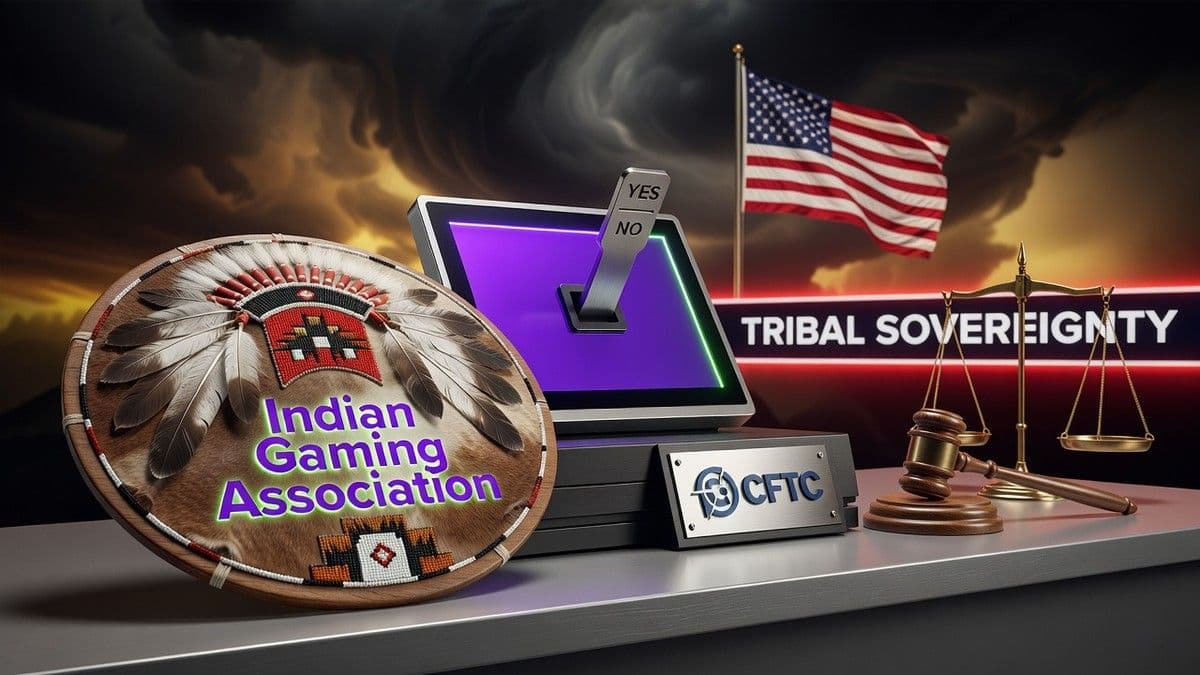
IGA Chairman David Z. Bean urges Tribal unity and vigilance as prediction-market gambling expands, with coordinated legal and legislative strategies targeting federal agencies and protections for Tribal sovereignty.
Key Takeaways
- IGA Chairman David Z. Bean announced an escalation in efforts against illegal prediction-market gambling.
- Prediction markets are seen by Tribal leaders as a direct threat to sovereignty and established legal frameworks.
- Bean criticized the CFTC’s consultation process, calling for genuine engagement with Tribal governments.
- Coalition-building remains central, as IGA partners with Tribal, state, and commercial stakeholders.
- Legal and legislative strategies will intensify, including preparations for potential Supreme Court litigation.
Indian Gaming Association (IGA) Chairman David Z. Bean has announced that the campaign against illegal prediction-market gambling will escalate in the coming months. Addressing Tribal leaders at the United Indian Nations of Oklahoma (UINO) Quarterly Meeting, Bean presented prediction markets as an existential threat to both Tribal sovereignty and the established legal order under the Indian Gaming Regulatory Act (IGRA). The IGA is now mobilizing a coordinated response involving Tribal Nations, industry partners, state officials, and congressional advocates.
The Impact of Prediction Markets on Tribal Gaming
Prediction markets, once limited to events like elections and weather, have rapidly encroached on online sports betting, circumventing the established regulatory framework. These markets operate under the guise of federal commodities law, skirting Tribal, federal, and state gaming rules. For IGA, this challenge is fundamentally about jurisdiction and the integrity of Indian gaming—not just revenue loss. Chairman Bean emphasized, "All we’re asking Congress to do is demand the Commodity Futures Trading Commission (CFTC) enforce their laws."
Focus Keyword: IGA’s Fight Against Illegal Prediction Markets
According to Bean, prediction markets represent more than a competitive threat. They risk fracturing the core legal and regulatory framework that underpins Tribal gaming operations. Tribal, state, and commercial operators could face unauthorized gambling without their consent. The IGA argues that Indian Country should not bear the burden of demonstrating harm before agencies act against illegal operators. The organization is commissioning an economic impact study, but Bean is clear: sovereignty, not just economics, is at stake.
Building National Coalitions to Protect Tribal Sovereignty
Critical to the IGA strategy has been the unification of Tribal leadership nationwide. Recent months have seen Tribal leaders travel to Washington, D.C. to educate lawmakers about the effect of prediction-market expansion, the ongoing relevance of the CLARITY Act, and how these developments jeopardize regulated gaming and Tribal authority. Bean stated, > "When Tribal leaders show up in D.C., it is noticed. It has great impact."
IGA’s outreach extends beyond government, partnering with organizations such as the American Gaming Association, state attorneys general, and consumer groups. The legacy of coalition-building, instituted by late Chairman Ernie Stevens, Jr., forms the foundation for IGA’s alliances today—including with commercial gaming interests where objectives align.
Consultation Versus Check-the-Box Exercises: The CFTC Roundtable Issue
A central concern is whether federal agencies, particularly the CFTC, are engaging in genuine consultation or merely performing procedural tasks. Bean detailed a history of outreach starting with Chairman Stevens, continuing after Bean’s appointment, and characterized the CFTC’s previous engagement as "a check-the-box type meeting." The CFTC has scheduled a roundtable on September 14 with 16 Tribal organizations, but IGA maintains that true consultation requires formal government-to-government dialogue—not after-the-fact forums. Bean stressed that inviting Tribes to a workshop is insufficient when policy decisions are advancing without their input.
Legal, Legislative, and Litigation Strategies Going Forward
IGA’s approach includes:
- Ongoing education of Congress and regulatory agencies on both the impact and legal principles involved
- Commissioning a study to quantify economic effects as sportsbook activity declines
- Continuous communication with member Tribes, industry partners, and the wider gaming industry
- Legal preparation, including a Supreme Court amicus brief by the IGA-NCAI Taskforce and partners such as the Washington Indian Gaming Association
Bean’s message to Indian Country is consistent: Tribal input and participation have influence across both Congress and the courts. The groundwork laid under Chairman Stevens will continue, underpinned by advocacy, coalition-building, and readiness for litigation.
Tribal and Industry Reactions
UINO Executive Director Margo Gray pledged continued vigilance, committing UINO to advocacy and coordination with state and federal lawmakers, as well as with national partners. Oklahoma Indian Gaming Association Chairman Matthew Morgan also praised Bean’s efforts in outreach and leadership. Both acknowledged the benefits of working alongside the IGA to challenge illegal gaming practices and defend Tribal sovereignty in the shifting landscape of prediction markets.
Risks Extending Beyond Sports Betting
A further issue raised by Bean is that the CLARITY Act and related federal decisions might enable casino-style gambling over decentralized finance platforms—bypassing established regulations designed to protect Tribal economic and legal interests. The consequences for government revenues, jobs, and responsible gaming protections are all under review as IGA commissions additional research for lawmakers.
What’s Ahead for Tribal Gaming Regulation
IGA will remain proactive, supporting litigation efforts, amplifying Tribal voices in Congress, holding federal agencies accountable, and enforcing that the principles laid by IGRA and Tribal-state compacts are respected. The push against illegal prediction markets is set to intensify this fall, with attention focused on federal decisions and the integrity of Tribal consultation. As Bean concluded, Indian Country cannot allow outside entities or agencies to define the bounds of Tribal sovereignty.
Frequently Asked Questions
Why does the Indian Gaming Association consider prediction markets a threat?
The IGA argues that illegal prediction markets undermine Tribal sovereignty and the Indian Gaming Regulatory Act by enabling gambling activities without Tribal or state consent, posing legal and jurisdictional risks beyond mere revenue loss.
What action is the IGA seeking from the Commodity Futures Trading Commission?
The IGA wants the CFTC to enforce its own laws and engage in meaningful formal consultation with Tribal governments, rather than holding procedural meetings or workshops without policy impact.
How is the IGA addressing the growth of illegal prediction markets?
IGA is implementing a coordinated national response comprising outreach to Congress, legal preparation for possible litigation, coalition-building with gaming associations and stakeholders, and commissioning an economic impact study.
What is the significance of the CLARITY Act in the context of Tribal gaming?
Bean warned that the CLARITY Act could permit casino-style gambling through decentralized finance platforms, bypassing Tribal and state gaming regulations and exposing Tribal governments to broader threats.
Who are IGA’s key partners in combating illegal gaming practices?
IGA collaborates with the American Gaming Association, state attorneys general, consumer protection groups, and multiple Tribal organizations, continuing the coalition-driven strategy established by the late Chairman Ernie Stevens, Jr.
Tags
About the author

Tessa Coleman
Betting Markets Correspondent
Tessa Coleman covers betting products and markets — sportsbook launches, odds and trading technology, and the fast-growing prediction-market space from regulated exchanges to event contracts. The stories lead with the product or the ruling, name the operators and platforms precisely, and translate trading jargon into what bettors can actually do. When a book reworks its pricing or a prediction market wins a license fight, Tessa Coleman explains the mechanics and the stakes.
More from Tessa Coleman