Kalshi and Polymarket Trading Volumes Under New Scrutiny
Kalshi ends volume incentives as the CFTC reviews $5bn in ether trades; Polymarket also facing questions.
Key Takeaways
- Kalshi announced the end of its volume incentive program by the end of September 2026.
- The CFTC is reviewing approximately $5,000,000,000 in nearly identical trades in ether perpetual contracts.
- Polymarket faces questions regarding volumes in international low-probability markets.
- The lack of a verified methodology leaves a data gap affecting traders' liquidity assessments.
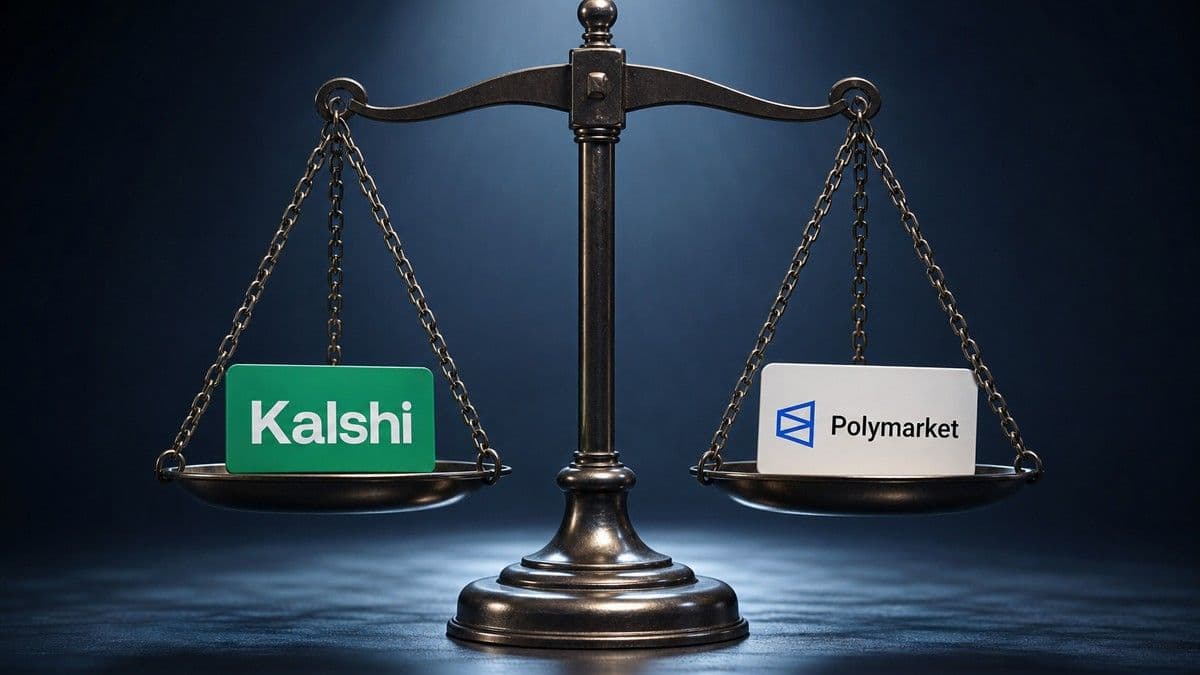
Kalshi formally announced the end of its volume incentive program by the end of September 2026, while the Commodity Futures Trading Commission (CFTC) is conducting a parallel investigation on approximately $5,000,000,000 in nearly identical trades in its ether perpetual contracts. At the same time, Polymarket is facing scrutiny over reported volumes in international low-probability markets. Both platforms deny any wash trading practices, but recent steps raise concerns about the historical and future reliability of their figures.
Kalshi and Polymarket Trading Volumes in the Spotlight
The main concern is whether the volumes reported by Kalshi and the international arm of Polymarket represent organic activity. In the case of Kalshi, questions are focused on its ether perpetuals; the CFTC is reviewing trades totaling nearly $5,000,000,000 that, according to the authority, show nearly identical patterns. Kalshi has stated it will end its volume incentive scheme and defended the authenticity of its liquidity, but it has not released a verified methodology to support its explanations.
Polymarket, for its part, faces criticism for its structure and results in international low-odds markets; these categories generate volume spikes that some analysts consider atypical for the profile of those markets.
What Does Kalshi Ending Volume Incentives Mean
Kalshi's announcement simultaneously alters two elements. First, it questions the veracity of past figures; if part of the volume originated from incentives, the historical numbers may be inflated. Second, by removing future incentives, the platform risks a decline in reported volumes.
Traders and operators who use volume as a signal to size liquidity and risk now face a data vacuum right in the peak competition for flows, such as during the opening window of the National Football League (NFL) season. The lack of a comparable figure complicates capital placement decisions during the quarter.
CFTC and the $5bn in Ether: Scope and Limitations
The CFTC is conducting an investigation into ether perpetual contract trades totaling approximately $5,000,000,000. This review is independent of Kalshi's change in incentive policy, so the presentation aimed at ending the incentives does not resolve the ongoing regulatory review. The existence of this investigation increases Kalshi's regulatory exposure in the United States beyond that faced by Polymarket in its international markets.
According to public sources, the CFTC's review as of September 30, 2026, has not resulted in formal sanctions; it remains an ongoing process. Kalshi has publicly denied the presence of wash trading and has submitted documentation to explain its market-making practices, although these explanations have not been accompanied by a unique and verifiable public methodology.
Polymarket and the Questions About Low-Probability Markets
Polymarket maintains that its volumes reflect legitimate user activity on its international platform. Questions surrounding low-probability markets focus on the concentration of orders and liquidity spikes that do not align with historical expectations for those events.
Unlike Kalshi, Polymarket's regulatory exposure does not appear to be as centered on a single U.S. authority; its scrutiny is of a more operational and market nature, aimed at the transparency of volume publication in international markets.
Who Wins if a Verified Methodology Appears
The platform that first publishes a clear, replicable methodology linked to each event will gain an immediate competitive advantage. Institutional traders and market makers who already rely on liquid volume for capital allocation will migrate to the platform that offers verifiable figures. Practically, this favors competitors who have already limited or structured their incentives more transparently.
The commercial consequences are direct: once the betting window that determines quarterly flows closes, the ability to attract migrating capital depends on the perception of integrity in the published metrics.
What Operators and Providers Should Do Now
Operators, liquidity providers, and data companies must demand published methodologies and volume audits if they wish to continue operating confidently in derivatives and prediction markets. Immediate demands include:
- Documentation explaining the origin of the volume by market and contract pair;
- Evidence of disincentivization of wash trading practices and prevention controls;
- External audits or reports that allow for comparison of historical series before and after changes in incentives.
For product teams on platforms and for data providers, the opportunity that opens up is the offering of verification and traceability solutions for order flow. In signal-based trading, the quality of data weighs as much as commissions.
Impact on Markets and Trader Confidence
The market reaction is already evident in public debates: counterparts defending the cleanliness of their order book are trying to capitalize on the uncertainty. Meanwhile, traders who rely on volume numbers as a variable to adjust positions face a choice between accepting revised series or redirecting their criteria toward alternative metrics.
The formal resolution of the CFTC and the publication of verified methodologies will be the catalysts that determine where the capital now in limbo flows.
Context and Timelines
The piece of information that motivated this analysis was originally published on September 30, 2026. Since that date, Kalshi announced the end of its volume incentive program; the CFTC continues its review of trades amounting to nearly $5,000,000,000 in ether. Polymarket maintains its public stance that its volumes are legitimate, while market participants demand independent proof. For ongoing regulatory developments related to this story, please see the regulation section. For liquidity implications during sports periods, coverage is available in sports. For product analysis and providers, see b2b.
Frequently Asked Questions
What change did Kalshi announce and when was it made public?
Kalshi announced the end of its volume incentive program by the end of September 2026. The communication came following the initiation of a review by the Commodity Futures Trading Commission regarding trades in its ether perpetual contracts amounting to nearly $5,000,000,000.
What is the scope of the CFTC investigation mentioned in the news?
The CFTC is maintaining a review of trades in ether perpetual contracts amounting to nearly $5,000,000,000. This review is parallel to Kalshi's announcement and is not resolved by the sole removal of volume incentives.
Why are Polymarket's volumes being questioned?
Polymarket is receiving questions for the concentration of volumes in international low-probability markets, where spikes have been observed that some analysts consider atypical for those events. The platform denies wash trading, but observers are calling for greater transparency in reporting figures.
How does this affect traders who use volume to measure liquidity?
The removal of incentives at Kalshi and doubts about historical figures create a data gap that complicates liquidity estimation. This lack of comparables hinders capital allocation decisions during key windows, such as the beginning of the NFL season.
Tags
About the author

Renata Quiroga
Betting Markets Correspondent
Renata Quiroga covers sports betting and prediction markets — sportsbook launches, odds technology, event contracts, and the regulatory calls that decide what can be bet on and where. The reports open with the product or the ruling, name operators and platforms precisely, and explain the mechanics without needless jargon. When a book enters a Latin American market or a prediction exchange lists a contested contract, Renata Quiroga reports what changes for the bettor.
More from Renata Quiroga