Kalshi imposes disciplinary rule to sanction harassment linked to prediction markets
Rule adds an explicit prohibition and takes effect on 27 Oct 2026

Key Takeaways
- Kalshi filed on 13 October 2026 an amendment that prohibits harassment in connection with trading and takes effect on 27 October 2026.
- Rule 5.17(dd) bans conduct reasonably likely to cause emotional distress and covers attempted harassment without requiring proof of actual harm.
- Kalshi may impose disciplinary sanctions, including fixed fines and account closures, under Chapter 9 of its rulebook.
- The exchange partnered with Signify Group to monitor athlete-directed abuse and joined the Bad Actor Program alongside IC360.
Kalshi filed on 13 October 2026 an amendment to its exchange rulebook that allows fining, suspending or disciplining traders for harassing or threatening third parties in connection with activity on prediction markets. The U.S. Commodity Futures Trading Commission (Commodity Futures Trading Commission, CFTC) received the filing and the rule is scheduled to take effect on 27 October 2026.
What changes with Kalshi’s anti-harassment rule
The amendment adds Rule 5.17(dd) to Kalshi’s list of prohibited transactions and activities. The text provides: “No Person shall intentionally or recklessly engage in conduct reasonably likely to cause emotional distress to a third-party in connection with trading activity. This includes, but is not limited to, any conduct or attempted conduct reasonably likely to bully, frighten, threaten, scare, coerce, harass, or intimidate any third party in connection with trading activity.” The wording covers both public and private conduct and includes attempted harassment.
The rule does not require the victim to have suffered proven emotional harm; it focuses on whether the conduct was reasonably likely to cause such harm. The rule’s scope goes beyond athletes and coaches and includes examples such as:
traders who harass legislators over votes related to markets;
pressure on company executives over financial results or corporate milestones;
harassment of public figures tied to mention-based contracts;
harassment of members of award committees that determine contract outcomes.
Sanctions provided and the investigation process
Kalshi said it will investigate potential violations and may impose disciplinary measures, including financial sanctions under Chapter 9 of its rulebook. According to Sportico, the exchange indicated fines could be applied as fixed amounts, not directly tied to the capital at risk held by the trader.
The range of sanctions mentioned in the release includes:
financial penalties under the exchange’s framework;
temporary account suspensions;
disqualifications or permanent account closures in verified cases.
Kalshi did not publicly detail the operational criteria it will use to detect or corroborate each case outside of sport, nor how it will handle investigations of subjects not linked to athletes.
Partnership with Signify Group and focus on sport
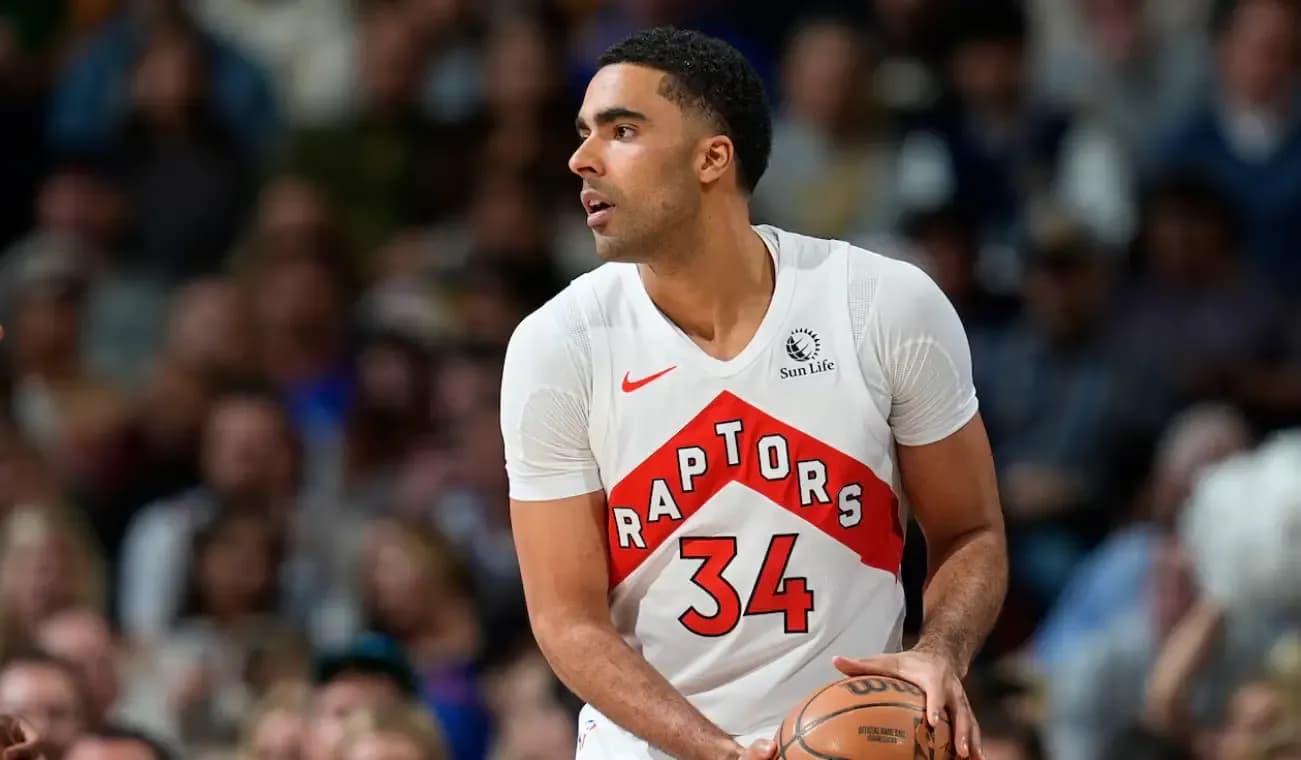
On 13 October Kalshi also announced a partnership with Signify Group focused on combating threats and online harassment directed at athletes and coaches. Signify’s Threat Matrix tool will monitor public social media to identify harassment affecting personnel from the NFL, NBA, MLB, NHL and ATP Tour.
Kalshi also joins the Bad Actor Program, developed by Signify and Integrity Compliance 360 (IC360). That program, announced in June, was initially filed with Fanatics’ sportsbook as the first participating operator and added DraftKings in September. The Bad Actor Program helps identify accounts responsible for harassment or threats and allows verified violations to lead to permanent account closures and, when appropriate, sharing of evidence with sports organisations or authorities.
“We will use this tool alongside a new exchange rule that explicitly bans abuse or threats in connection with trading activity because we want to make clear there are real consequences for anyone who crosses that line,” said Robert DeNault, Kalshi’s head of compliance.
Kalshi emphasised the initiative targets abusive and threatening conduct, not legitimate criticism of sporting performance.
Scope beyond sport and operational challenges
Although the collaboration with Signify has a sporting focus, Kalshi’s rule extends to non-sport markets. The exchange has not published technical details on methods it will use to identify harassment in markets involving legislators, executives or awards committees. Including language about “attempted” conduct further complicates detection: Kalshi will need to establish evidentiary standards to determine when a message or interaction reaches the threshold of conduct reasonably likely to cause emotional distress.
The firm will also need to decide how to coordinate evidence-sharing with third parties: sports organisations, regulatory authorities or law enforcement, consistent with the Bad Actor Program and legal obligations.
Implications for prediction-market operators and traders
For prediction-market operators, Kalshi’s action sets operational and reputational precedents. Integrating social monitoring, escalation criteria and disciplinary processes is now a priority for platforms offering contracts on events involving identifiable subjects. For traders, the rule sends a clear message: harassment conduct can incur fixed fines and suspension of access, even if no proven harm exists.
Compliance and risk-detection vendors already working in sport — including social monitoring services and behavioural analytics — will see greater demand. Operators with offerings similar to the Bad Actor Program can provide workflows to corroborate identities, preserve evidence and execute account closures when appropriate.
What’s next and timeline
The amendment filed on 13 October was submitted to the CFTC and Kalshi set the effective date as 27 October 2026. Observers across the industry, including sports leagues and player unions that had sought stronger protections, will follow the rule’s rollout to assess its practical reach and coordination with programs like the Bad Actor Program.
Frequently Asked Questions
When does Kalshi’s new anti-harassment rule take effect?
The rule takes effect on 27 October 2026. Kalshi filed the amendment with the CFTC on 13 October 2026 and set that effective date in its notification.
What exactly does Kalshi’s Rule 5.17(dd) cover?
Rule 5.17(dd) prohibits intentional or reckless conduct reasonably likely to cause emotional distress to a third party in connection with trading activity, including attempts to intimidate, threaten, harass or coerce. The rule covers public and private acts and does not require proof of actual harm.
What sanctions can Kalshi impose for violating the rule?
Kalshi can impose disciplinary sanctions including financial fines under Chapter 9 of its rulebook, suspensions and permanent account closures. Sportico reported fines could be fixed amounts independent of the trader’s capital at risk.
How will Kalshi detect harassment outside sport?
Kalshi has not publicly detailed methods for identifying and verifying harassment in non-sport markets. The exchange described its collaboration with Signify for sport cases but has yet to publish operational criteria for investigation and proof in other market types.
Tags
About the author

Renata Quiroga
Betting Markets Correspondent
Renata Quiroga covers sports betting and prediction markets — sportsbook launches, odds technology, event contracts, and the regulatory calls that decide what can be bet on and where. The reports open with the product or the ruling, name operators and platforms precisely, and explain the mechanics without needless jargon. When a book enters a Latin American market or a prediction exchange lists a contested contract, Renata Quiroga reports what changes for the bettor.
More from Renata Quiroga