NCPG warns about risks in prediction markets and calls for preventive actions
The National Council on Problem Gambling believes that prediction markets pose similar risks to betting and demands comparable protection measures, especially regarding the exposure of young users.
Key Takeaways
- NCPG believes that prediction markets function like gambling and present comparable risks.
- 85% of Americans perceive these platforms can generate addictive behaviors.
- NCPG demands the implementation of minimum protection tools like self-exclusion and age verification.
- The reach of prediction markets to young audiences accelerates the urgency for regulatory response.
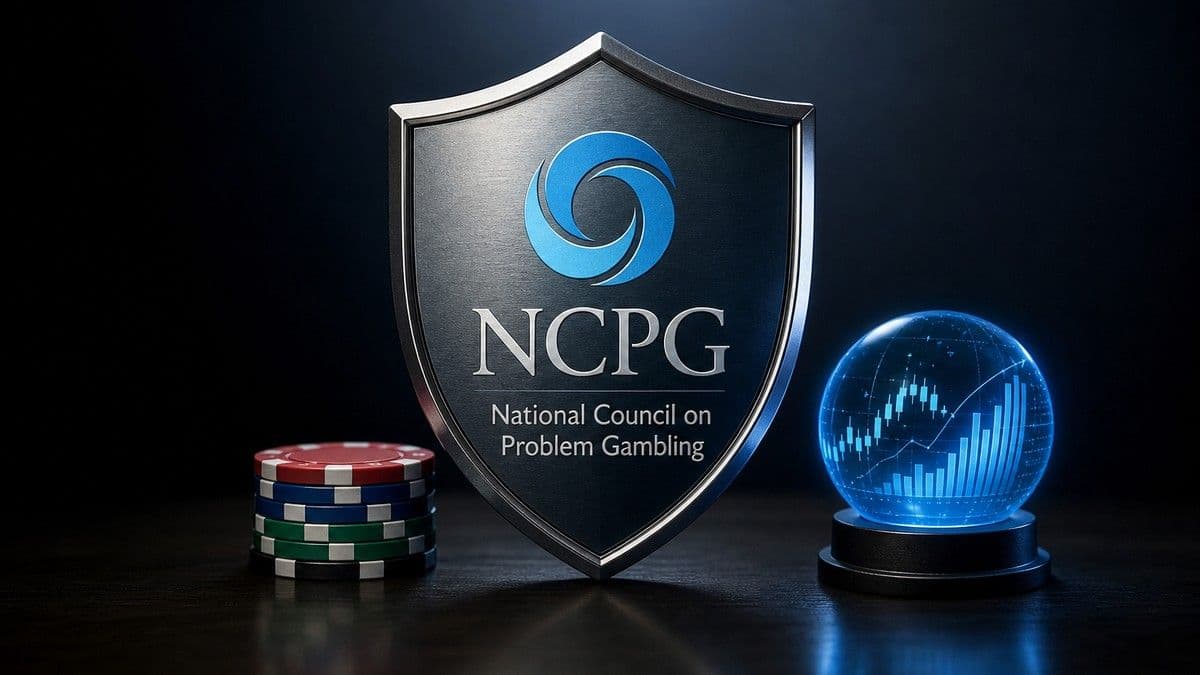
The National Council on Problem Gambling (NCPG) warns that prediction markets, although classified differently by law, expose users to risks comparable to those of traditional gambling. According to the official statement from Derek Longmeier, Chairman of the Board of NCPG, the organization is calling for immediate interventions to reduce harm, emphasizing the rapid popularization of these products and their reach to millions of Americans, including young populations.
Prediction Markets: Growth and Public Perception
The expansion of prediction markets prompted NCPG to publicly express its stance, reiterating that, although the legality of these markets is debated, the activity functionally represents a form of gambling. A recent Harris Poll survey commissioned by NCPG supports this view: 85% of Americans agree that these platforms can generate addictive or unhealthy behaviors, and 84% believe they should be subject to the same protections governing betting. The current scope of the phenomenon, both in volume and speed, surpasses historical precedents.
NCPG and Its Financial Trader Health and Safety Initiative
The organization has established, among its priority lines, the Financial Trader Health and Safety Initiative. Launched earlier this year, this initiative explicitly aims to address the emerging risks linked to prediction platforms and comparable products. For over five decades, NCPG has been dedicated to supporting individuals affected by gambling-related harm, focusing more on minimizing damage than on controversies over legal terms.
“We are not neutral on the need to prevent and reduce gambling-related harm wherever it occurs. The harm is real, and we cannot wait to act,” stated Derek Longmeier, Chair of the NCPG Board.
Tangible Risks and Organizational Response
Recent reports show that users of prediction markets already experience tangible financial, emotional, and relational consequences. NCPG emphasizes that its mission does not depend on regulatory interpretations but on the very presence of risk. They acknowledge the pressure caused by the growth of these platforms, especially among young people, and admit that consumer protection infrastructure is not keeping pace with technological launches.
The organization primarily funds itself through donations— including from gambling operators— but stresses that it does not allow funding to condition its research, interventions, or public statements. These partnerships enable action where harm is detected since there is no federal funding for these initiatives.
Minimum Protection Proposals for Prediction Markets
NCPG calls on regulators, operators, sports leagues, prediction platforms, financial institutions, and community associations to promote concrete measures for user protection. They consider the following elements minimum requirements for platforms that offer betting or similar products:
- Responsible gambling tools
- Self-exclusion options
- Age verification on all registrations
- Clear risk disclosures
- Direct access to help and assistance services
According to NCPG, the need to implement these standards intensifies given the speed with which prediction markets reach young segments, who present a particular vulnerability to problematic behaviors.
Call to Action and NCPG's Future Position
NCPG reiterates that it will continue to be guided by evidence, always prioritizing harm mitigation through transparency and support for updated regulatory standards. Although the organization does not take a stance on the legality of these markets, it insists that consumer protection must be equivalent to that observed in recognized betting products.
“We will continue to raise awareness about the harms associated with gambling and advocate for effective safeguards,” concluded Derek Longmeier.
Today, the regulatory environment of prediction markets remains fluid in the United States, but NCPG's position is clear: risk reduction is indispensable, regardless of the legal label applied to the product. Involved sectors have the opportunity to collaborate with the common goal of elevating protection standards and responding to the emerging challenge posed by prediction markets.
Frequently Asked Questions
Why does NCPG consider that prediction markets present risks similar to betting?
NCPG argues that prediction markets functionally share the same dynamics as traditional betting, exposing users to financial, emotional, and addictive risks, regardless of how they are legally defined.
What measures does NCPG demand to protect users of these platforms?
NCPG proposes minimum tools such as self-exclusion, age verification, clear risk disclosures, and direct access to help, standards which are already applied in recognized betting.
Does NCPG receive funding from gambling operators?
Yes, NCPG is a nonprofit organization funded by donations, including contributions from operators, although it asserts that this does not compromise its independence or public statements.
What do Americans think about the risks of prediction platforms?
According to a Harris Poll survey for NCPG, 85% of respondents believe these platforms can induce addictive behaviors, and 84% support equating their protections to those of legal betting.
What is NCPG's approach to the phenomenon of prediction markets?
NCPG's focus is on preventing and reducing gambling-related harm, acting regardless of how the law defines these products and maintaining neutrality about their legal status.
Tags
About the author

Renata Quiroga
Betting Markets Correspondent
Renata Quiroga covers sports betting and prediction markets — sportsbook launches, odds technology, event contracts, and the regulatory calls that decide what can be bet on and where. The reports open with the product or the ruling, name operators and platforms precisely, and explain the mechanics without needless jargon. When a book enters a Latin American market or a prediction exchange lists a contested contract, Renata Quiroga reports what changes for the bettor.
More from Renata Quiroga