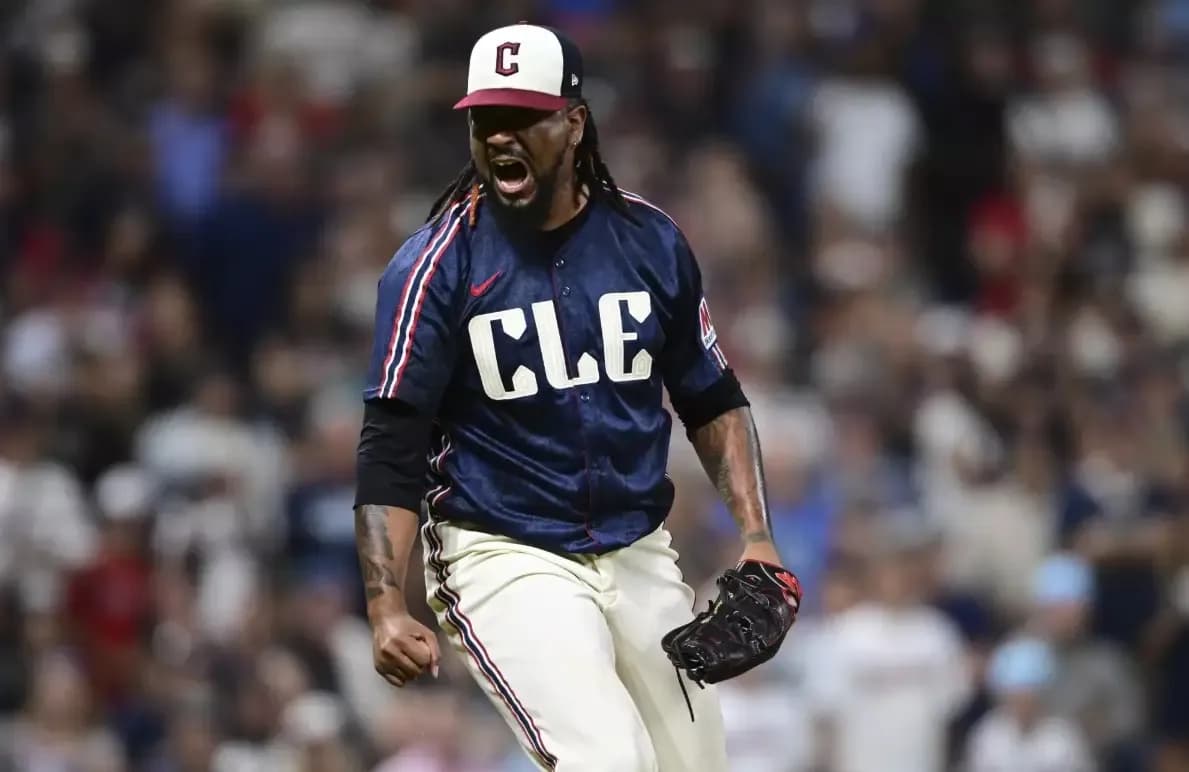
Ronald Acuña Jr. becomes first MLB player to promote Kalshi
Deal announced 8 Oct 2026 starts Kalshi’s athlete marketing push in the US

Key Takeaways
- Ronald Acuña Jr. signed with Kalshi and is the first MLB player to promote a prediction market, announced 8 October 2026.
- Polymarket’s $15 million-a-year deal with LeBron James and Novig’s equity-for-endorsement with Sydney Sweeney frame the compensation models Kalshi may choose.
- Kalshi needs this quarter to show conversion of followers into funded accounts at rates that justify the marketing spend.
- The first platform to publish funded-account data after a celebrity campaign will set the market standard for talent costs.
Ronald Acuña Jr. has signed a partnership with Kalshi that makes him the first Major League Baseball (MLB) player to promote a prediction market platform. The deal was announced on 8 October 2026 and marks Kalshi’s first public push into athlete-driven marketing.
By Renata Quiroga, Betting Markets Correspondent.
What the Ronald Acuña Jr. and Kalshi deal means
Kalshi has formalised a commercial relationship with Ronald Acuña Jr. to promote its prediction market platform to baseball fans. The move puts Kalshi alongside other prediction- and betting-market platforms that have already completed talent deals and sponsorships outside the United States.
The announcement follows team-level deals: the New York Mets reached an agreement with Novig and the New York Yankees signed with Polymarket. In that context, bringing in an individual MLB player is a notable play for Kalshi, which until now had not done athlete endorsement deals.
How this fits into competition between prediction market platforms
Kalshi enters a space where there are already spending precedents and different compensation structures. Polymarket closed an annual $15 million deal with LeBron James, while Novig negotiated an equity-for-endorsement arrangement with Sydney Sweeney. These two references define the range of models Kalshi can replicate or avoid.
Kalshi’s strategic choice on the structure of the deal with Acuña Jr. directly affects its cost profile:
If Kalshi paid cash on a fixed model similar to Polymarket’s, it would be taking on an immediate capital expense versus competitors with deeper pockets.
If it chose a model like Novig’s, exchanging equity for promotion, the bet is on user conversion rather than a large upfront cash outlay.
Why funded-account data will be decisive
The metric investors and competitors care about most is conversion of fans into funded accounts. Kalshi needs to show during this quarter that Ronald Acuña Jr. turns followers into accounts with balances at levels that justify the investment. The first platform to publish funded-account data from a celebrity campaign will set a benchmark for how much talent is worth in future funding rounds.
A Reddit post mentioning the partnership explicitly noted user interest in “betting on individual at-bats,” a sign that audiences want highly granular products that could drive activity and conversions if Kalshi’s offer supports them.
What Kalshi must prove in metrics and timeframes
Kalshi has a short horizon to test return on investment: the reporting emphasises urgency for results within the quarter after the announcement. The quantitative signals that matter are:
Number of new accounts opened that can be attributed to the Acuña Jr. campaign.
Percentage of those accounts that deposit funds (funded accounts).
Average deposit value and retention of those users in the weeks that follow.
If those figures show high conversion, Kalshi can justify future talent buys. If not, the company may cut back or abandon celebrity marketing.
Risks and comparisons with multi‑billion-dollar rivals
The original text cites competitive pressure from a rival valued at $40 billion, which means Kalshi competes in a market where some players have much greater access to capital. A large fixed cash payment against an opponent of that size can deplete Kalshi’s limited resources.
The other risk is operational: converting the media attention brought by an MLB player into real platform activity requires product support for per‑stock or per‑at‑bat markets, clear acquisition flows and simple deposit processes. Product integration and campaign communications are critical here.
What this implies for operators and suppliers
For operators and technology suppliers, the outcome of this campaign will signal the cost of user acquisition via talent. If Kalshi publishes strong funded-account data, operators and platforms selling acquisition tools, deposit verification and event-based products will see demand rise.
For investors, Acuña Jr.’s performance as a marketing asset will be a practical test: it will show whether buying celebrities accelerates growth or whether resources are better allocated to product and broader markets.
Conclusion: an experiment whose result matters to the whole sector
The pact between Ronald Acuña Jr. and Kalshi is a commercial experiment with market-wide effects for prediction market platforms. The industry will watch funded-account figures closely over the next quarter. The first published data on conversion of fans into paying users will set standards for what stars are worth in the next wave of deals and financing.
Frequently Asked Questions
When was the Ronald Acuña Jr.–Kalshi partnership announced?
The deal was made public on 8 October 2026, which marks the start of the quarter Kalshi must use to measure conversion of fans into funded accounts.
What compensation models exist for prediction market platforms partnering with celebrities?
Two clear models are cited: a fixed cash payment, exemplified by Polymarket’s $15 million annual deal with LeBron James, and an equity-for-endorsement scheme like the one Novig negotiated with Sydney Sweeney.
What metric is key to judging whether the investment in Ronald Acuña Jr. was successful?
The key metric is conversion of fans into funded accounts: Kalshi needs data on new accounts and the percentage that deposit funds during the quarter after the announcement.
Tags
About the author

Renata Quiroga
Betting Markets Correspondent
Renata Quiroga covers sports betting and prediction markets — sportsbook launches, odds technology, event contracts, and the regulatory calls that decide what can be bet on and where. The reports open with the product or the ruling, name operators and platforms precisely, and explain the mechanics without needless jargon. When a book enters a Latin American market or a prediction exchange lists a contested contract, Renata Quiroga reports what changes for the bettor.
More from Renata Quiroga