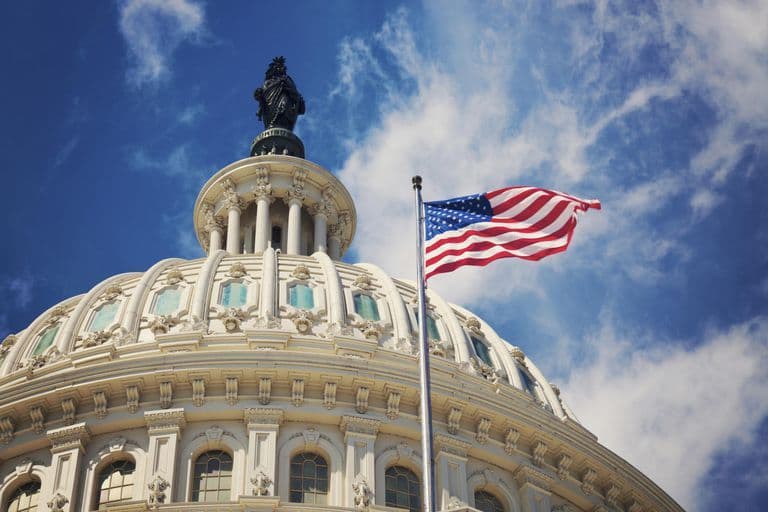
Senators pressure Kalshi and Polymarket over electoral prediction markets
Warren and Curtis demand written proof of controls and referrals before Nov. 3, 2026
Key Takeaways
- Senators Elizabeth Warren and John Curtis sent a letter on October 28, 2026 requiring Kalshi and Polymarket to answer seven questions in writing by November 3, 2026.
- The letter asks how platforms prevent candidates and campaign staff trading on non-public information, how they detect wash trading, and how many suspicious cases since January 1 were referred to the CFTC or prosecutors.
- Kalshi said on October 6 it fined and suspended <f0>four congressional candidates in 2026</f0> and has implemented exclusion lists and identity checks for 2026 election markets.
- Studies cited in media reporting indicate significant manipulation risks: Chaos Labs estimated about <f0>one-third</f0> of Polymarket's 2024 presidential volume could be wash trading, and ACDC counted <f0>more than US$220m</f0> wagered on congressional races through September 30, 2026.
Two senators asked the largest US electoral prediction market platforms to detail how they prevent insider trading on contracts tied to elections. Elizabeth Warren (D–Mass.) and John Curtis (R–Utah) sent a letter on October 28 to Tarek Mansour, CEO of Kalshi, and to Shayne Coplan, CEO of Polymarket, and requested written responses by November 3, the 2026 congressional election day.
What the senators are asking for
The joint letter, dated October 28, poses seven specific questions about each exchange's surveillance mechanisms. It asks how the platform prevents candidates, campaign staff, election officials and pollsters from trading contracts using non-public information, including trades made through third parties or affiliated accounts; how it detects so-called wash trading; how many suspicious cases it has identified since January 1; how many were stopped before execution; and how many were referred to the Commodity Futures Trading Commission (CFTC) or other authorities. It also requests whether surveillance has been independently audited and what measures go beyond checking Federal Election Commission (FEC) records.
Cases cited in the letter
The letter points to public episodes used as the basis for its questions. For Kalshi it refers to candidates who bet on their own contests in 2025 and in April 2026. Kalshi, in a statement on October 6, said it had fined and suspended four congressional candidates in 2026 for trading on their own races. That statement also announced a banned list of people with the ability to influence electoral outcomes, identity checks and other transparency features for 2026 election markets.
In Polymarket's case, the letter cites a Fortune report on October 30, 2024 that referenced a Chaos Labs study estimating that about one-third of Polymarket's presidential market volume in 2024 could be wash trading. Another firm, Inca Digital, said there was a significant portion of manipulated volume but did not provide a figure.
"Kalshi prohibits insider trading and market manipulation and proactively blocks candidates and campaign staff," said Robert DeNault, Kalshi's head of compliance, according to The Hill.
Polymarket had not published a public response to the letter at the time this report was filed.
Regulatory and legal context
Formal oversight of these markets was constrained after the CFTC on February 4, 2026 withdrew a proposed rule on event contracts that it had introduced in June 2024. In that statement CFTC Chair Michael Selig described the prior proposal as "an outright prohibition on political contracts." The withdrawal left much of electoral market oversight in the hands of the platforms themselves and their ability to refer cases to the CFTC or local authorities. For regulatory context see [regulation](/regulation).
Political pressure adds another layer. Utah prosecutors brought criminal charges against Kalshi's founders, and the CFTC has sued the state of Utah in relation to that process, making the company a focal point beyond Congress. The article also notes Senator Richard Blumenthal has pushed in the same direction.
Manipulation risks and market volume
Analytical organisations have produced figures senators and the press use to question exchange resilience. The Anti-Corruption Data Collective (ACDC) calculated that a US$3,500 bet could move 97% of legislative-related markets by five cents or more, CNBC reported on September 9. Kalshi challenged ACDC's methodology, arguing that liquid markets correct pricing errors quickly.
ACDC also counted more than US$220m wagered on congressional races through September 30, 2026, versus US$92m for the entire 2024 cycle, with volume spread across more than 21,000 markets, Reuters reported. Critics say that dispersion of volume allows a small number of wallets to move prices.
What remains to be seen
The letter compels Kalshi and Polymarket to submit formal responses by November 3, 2026. If the companies provide details on internal detections, referrals to the CFTC and independent audits, the senators could publish the replies and subject private surveillance to public scrutiny. Until then, public documentation about the integrity of electoral markets depends largely on what the platforms choose to disclose.
Warren and Curtis's questions focus on operational procedures: account identification, linked-trade detection, criteria for stopping trades before execution and policies for referrals to regulators and prosecutors. Those are the elements the senators asked to be documented in writing before the close of business on November 3.
Sources cited in this report include Kalshi's October 6, 2026 statement, the CFTC's February 4, 2026 note, Fortune's October 30, 2024 reporting, and coverage from The Hill, Bitcoin.com News, Yogonet, CNBC and Reuters.
Frequently Asked Questions
Who sent the letter and to whom is it addressed?
The letter was sent by Senators Elizabeth Warren (D–Mass.) and John Curtis (R–Utah) to Tarek Mansour, CEO of Kalshi, and Shayne Coplan, CEO of Polymarket. Dated October 28, 2026, it requests written responses by November 3, 2026.
What key questions do the senators ask in the letter?
The letter asks seven core questions about preventing trades based on non-public information, detecting wash trading, the number of suspicious cases since January 1, how many were stopped pre-execution, how many were referred to the CFTC or prosecutors, whether surveillance has been independently audited, and what measures go beyond FEC checks.
What specific incidents do the senators cite to justify the inquiry?
For Kalshi, the letter references candidates who bet on their own races in 2025 and April 2026; Kalshi reported fining and suspending <f0>four congressional candidates in 2026</f0>. For Polymarket, the letter cites a Fortune article referencing a Chaos Labs study that estimated about <f0>one-third</f0> of Polymarket's 2024 presidential market volume could have been wash trading.
What role does the CFTC play in oversight of these markets?
The CFTC withdrew a proposed rule on event contracts on February 4, 2026, leaving much oversight to platform rules and formal referrals to the CFTC. CFTC Chair Michael Selig described the earlier proposal as "an outright prohibition on political contracts."
Tags
About the author

Renata Quiroga
Betting Markets Correspondent
Renata Quiroga covers sports betting and prediction markets — sportsbook launches, odds technology, event contracts, and the regulatory calls that decide what can be bet on and where. The reports open with the product or the ruling, name operators and platforms precisely, and explain the mechanics without needless jargon. When a book enters a Latin American market or a prediction exchange lists a contested contract, Renata Quiroga reports what changes for the bettor.
More from Renata Quiroga