Tribal Leaders, NCAI, and Indian Gaming Association Reject Legality of Sports Event Contracts
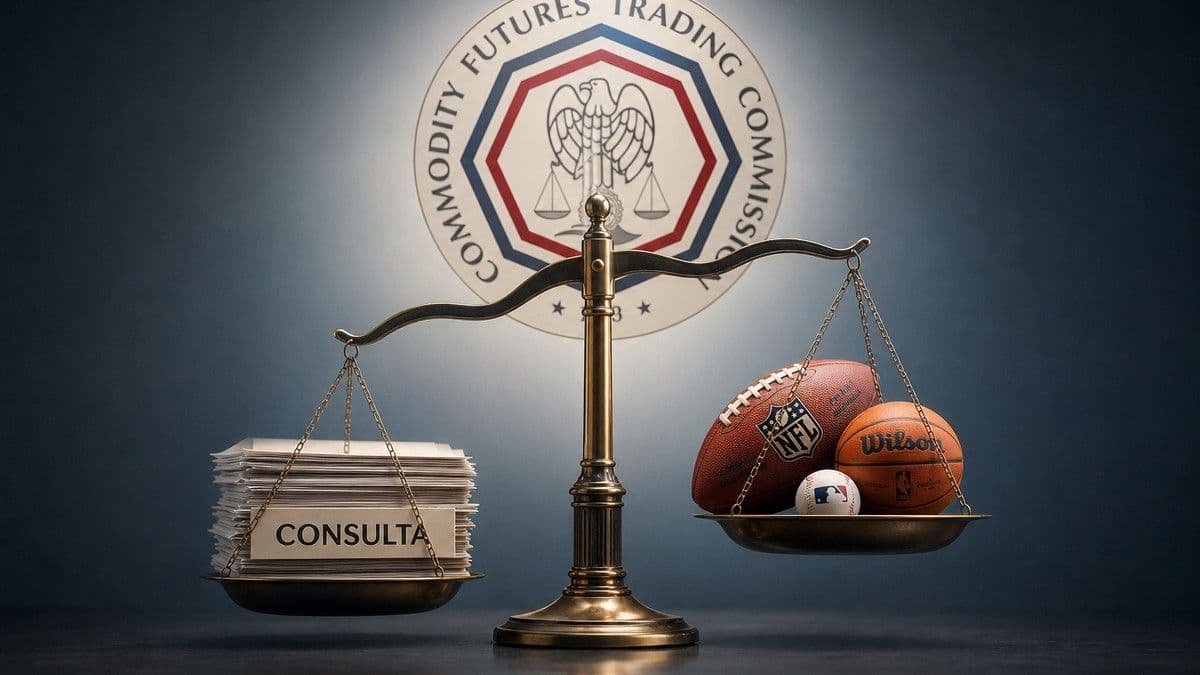
During a closed CFTC roundtable, the National Congress of American Indians and Indian Gaming Association reinforced that prediction market sports-event contracts violate federal, state, and Tribal gaming laws, and called for formal consultation with Tribal Nations before any new policies.
Key Takeaways
- NCAI and Indian Gaming Association assert that sports-event contracts offered by prediction markets are illegal gaming.
- Tribal leaders state that rebranding sports betting as 'prediction markets' does not exempt it from federal or Tribal law.
- Tribal Nations demand the Commodity Futures Trading Commission initiate government-to-government consultation before any new policies.
- The current debate centers on compliance with the Indian Gaming Regulatory Act and preservation of Tribal sovereignty.
Tribal organizations and gaming leaders told the Commodity Futures Trading Commission (CFTC) that sports-event contracts facilitated by prediction market platforms constitute illegal gaming under existing law. The National Congress of American Indians (NCAI), Indian Gaming Association (IGA), and others emphasized this position at a closed CFTC roundtable, asserting that no financial labeling can exempt these wagers from federal, state, or Tribal gaming oversight.
CFTC Sports-Event Contracts: The Regulatory Stance
NCAI and IGA highlighted that current CFTC regulations already prohibit event contracts involving gaming or activities illegal under state or federal law. This means sports bets presented as "event contracts" remain subject to all gaming prohibitions. The IGA has previously stated that these offerings run afoul of the Indian Gaming Regulatory Act (IGRA), the federal Wire Act, and state gaming legislation. As such, platforms marketing sports wagers as prediction markets are not operating legally in the eyes of these leading Tribal organizations.
"Calling sports betting a 'prediction market' does not change what it is: gaming," asserted an NCAI representative at the roundtable.
Sovereignty and Consultation: Demands for Due Process
Tribal leaders argued that any federal action affecting casino or other Indian gaming operations requires government-to-government consultation — not mere meetings or listening sessions. NCAI and IGA stressed that these issues impact the IGRA, state-Tribal compacts, and the regulatory authority granted to sovereign Tribal governments. For Indian Country, meaningful consultation must occur before new policies, enforcement, or regulatory interventions are designed — not after decisions are already made.
NCAI President Mark Macarro commented, > "To be candid: a roundtable is not consultation. What Tribal Nations require — and what federal law mandates — is government-to-government consultation, not a listening session. The roundtable fell well short of that standard. Tribal Nations deserve a seat at the table when policies directly impact their sovereignty, jurisdiction, economies, and abilities to provide critical services to Tribal citizens."
Indian Gaming Association Chairman David Z. Bean added, > "The CFTC roundtable will go down as a missed opportunity for constructive dialogue with Tribal Nations. The CFTC would not explain how sports betting became legal across the country simply because a prediction market calls it an event contract. These products are gaming, and where they are being offered outside federal, state, and Tribal gaming law, they are illegal gaming. The CFTC must enforce the law as written and work directly with Tribal Nations before moving forward with policies that could undermine IGRA and Tribal-state compacts."
Legal and Regulatory Implications for Indian Gaming
The current debate draws focus to several pivotal laws:
- Indian Gaming Regulatory Act (IGRA): Outlines the regulatory framework for Tribal gaming and grants authority to Tribes and states.
- Federal Wire Act: Prohibits certain types of betting using interstate communications.
- State gaming laws: Vary by jurisdiction but often limit or control sports betting.
By reclassifying sports bets as financial products, prediction market platforms attempt to sidestep these statutes. Both the NCAI and IGA have rejected that premise. They maintain that only formal government-to-government consultation and adherence to IGRA and relevant state compacts can change the legal landscape.
Industry Response and State Support
New Jersey Attorney General Jennifer Davenport, while not attending the CFTC meeting, issued her own statement in support of Tribal authorities. She criticized prediction market business models for bypassing state and Tribal laws, stating New Jersey will continue to join Tribes and a bipartisan coalition of states to resist what she described as lawless conduct and to safeguard their constituents.
NCAI and IGA also reaffirmed their intent to engage with the CFTC and relevant federal officials to ensure gaming statutes are enforced and Tribal sovereignty is protected.
Ongoing Engagement with CFTC: What Comes Next
Both regulation of prediction markets and the oversight of sports betting involving Tribal interests remain unsettled. NCAI and IGA conclude that a single private roundtable does not constitute adequate consultation or resolve the extensive legal, economic, and sovereignty issues at play. They are calling for ongoing, formal dialogue as the CFTC evaluates any rulemaking, enforcement, or guidance related to sports-event contracts. For vendors, operators, and regulators monitoring the space, these developments signal that Indian Country intends to play a central role in shaping any future expansion of sports prediction markets in the United States.
About the National Congress of American Indians
Founded in 1944, the National Congress of American Indians is the nation's largest and oldest organization representing American Indian and Alaska Native governments. NCAI works to strengthen Tribal-federal government relations and promote understanding of Native rights and governance.
Frequently Asked Questions
Why do NCAI and the Indian Gaming Association call sports-event contracts illegal gaming?
They argue that sports bets marketed as event contracts by prediction market platforms are still gaming under federal, state, and Tribal laws. Both organizations cite existing CFTC regulations and statutes like IGRA and the Wire Act as prohibiting these offerings.
What process do Tribal leaders say is required before federal action on prediction markets?
Tribal Nations require formal government-to-government consultation before new federal policies are developed or implemented. NCAI and IGA say this approach is mandated by law and necessary for protecting Tribal sovereignty.
How did the CFTC respond to Tribal concerns about sports betting reclassification?
At the recent invitation-only roundtable, the CFTC did not provide an explanation for allowing sports-event contracts to bypass standard gaming law. Tribal representatives said the meeting did not meet the threshold for meaningful consultation.
What laws are at issue in the debate over prediction market platforms?
The most relevant laws are the Indian Gaming Regulatory Act, the federal Wire Act, and state gaming statutes. According to NCAI and IGA, attempting to reclassify sports bets as financial products does not negate these legal frameworks.
Which state official supported the Tribal leaders' position?
New Jersey Attorney General Jennifer Davenport issued a statement supporting Tribal authority, insisting that prediction markets offering sports bets without observing state or Tribal law are acting unlawfully.
Tags
About the author

Tessa Coleman
Betting Markets Correspondent
Tessa Coleman covers betting products and markets — sportsbook launches, odds and trading technology, and the fast-growing prediction-market space from regulated exchanges to event contracts. The stories lead with the product or the ruling, name the operators and platforms precisely, and translate trading jargon into what bettors can actually do. When a book reworks its pricing or a prediction market wins a license fight, Tessa Coleman explains the mechanics and the stakes.
More from Tessa Coleman