Wynn CEO Breaks Ranks with MGM and Caesars on Prediction Markets at G2E
Billings says Wynn has no 'skin in the game' while rivals call markets illegal and risky
Key Takeaways
- Craig Billings said on 29 September at G2E that Wynn takes no political position on prediction markets because it has no "skin in the game."
- MGM's Bill Hornbuckle and Caesars' Tom Reeg told the same session they view prediction markets as illegal or harmful and urged licensing or prohibition.
- The American Gaming Association says the industry has lost about 90% of state court cases and is prepared to take the dispute to the Supreme Court.
- Nevada regulators have treated sports event contracts as indistinguishable from sports bets, prompting DraftKings and FanDuel to withdraw Nevada licence applications in November 2025.
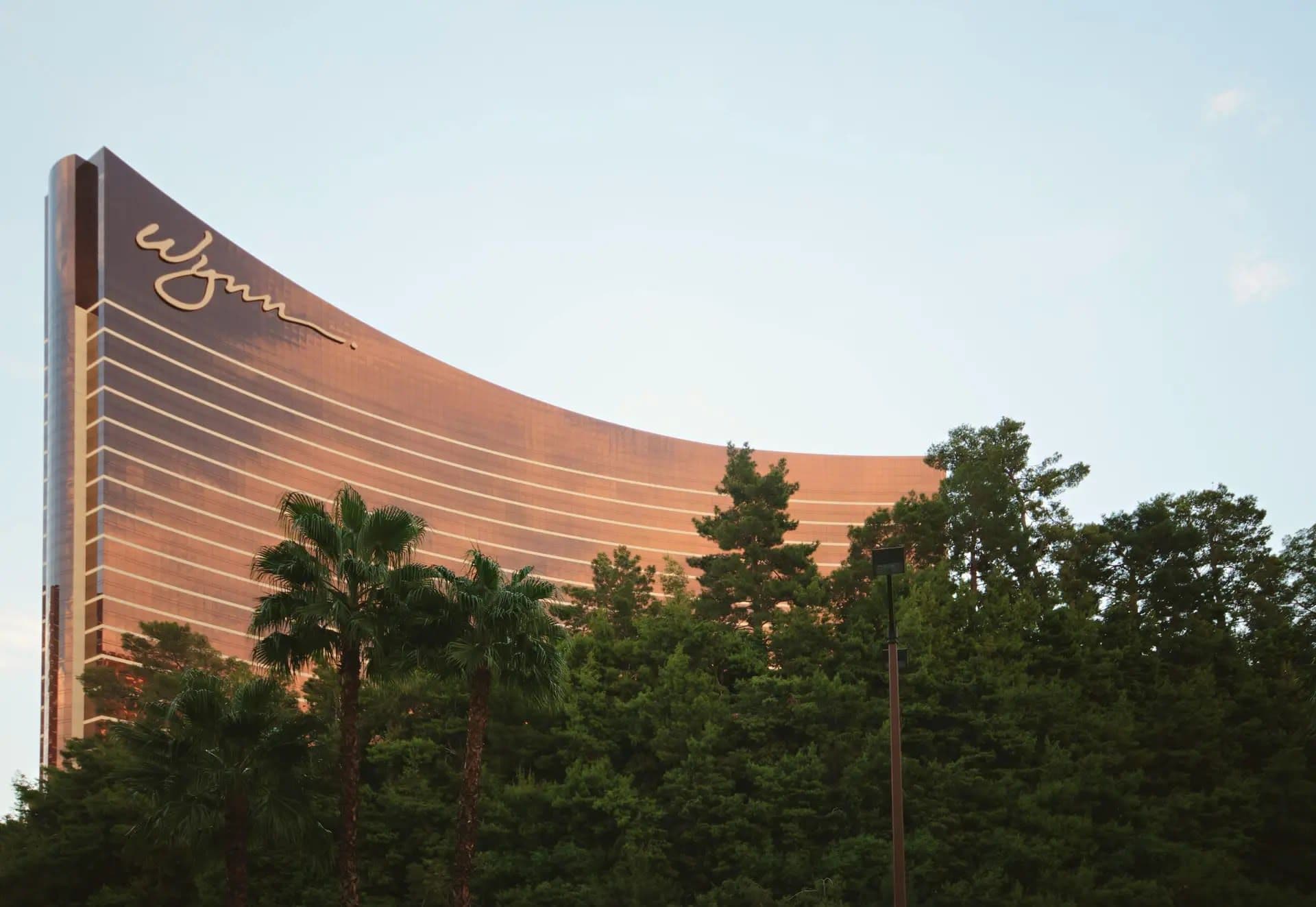
Wynn Resorts chief executive Craig Billings said on 29 September at the Global Gaming Expo (G2E) in Las Vegas that Wynn does not take a political position on prediction markets because it has no "skin in the game." Billings told the opening main-stage session at The Venetian Expo that Wynn had seen no direct effects from prediction markets so far and that broad online distribution of betting "offers some benefit to Las Vegas," according to The Nevada Independent. MGM Resorts and Caesars Entertainment publicly rejected that stance on the same panel, calling prediction markets illegal and a reputational and regulatory risk.
What Billings said on prediction markets and Nevada licensing
Billings answered the moderator, CNBC's Contessa Brewer, at the "CEO Outlook: The Global State of Gaming" session. He said Wynn, which operates Wynn Las Vegas and Encore Las Vegas, was not taking a political position because it has no commercial exposure. "The broad distribution of online gaming, the broad distribution of betting, offers some benefit to Las Vegas. I'm not opining on the legality," he said, as reported by The Nevada Independent.
Billings contrasted the current debate with the Strip's campaigns against California tribal gaming ballot measures in 1998 and 2000. He said many Strip operators "very surreptitiously funneled money" to oppose those measures; the measures nevertheless passed with more than 60% support and, in Billings' account, led to "a whole army of people in California that were inert to coming to Las Vegas." The Nevada Independent, citing National Indian Gaming Commission data, reported California's tribal casinos now generate more than $12.6 billion a year in gaming revenue.
MGM and Caesars: call for licensing or prohibition of prediction markets
MGM Resorts chief executive Bill Hornbuckle described prediction markets operating in Utah as "obscene," noting Utah bans all forms of gambling. He said Nevada regulators had warned MGM that stretching into unlicensed products could affect licensing, and trade press reported MGM had considered entering prediction markets in early 2025, likely through BetMGM, before deciding not to proceed. Hornbuckle argued operators should either obtain Nevada licences or stop operating those products.
Caesars Entertainment chief executive Tom Reeg called the industry argument that prediction markets are "swaps" and therefore lawful "ludicrous," and likened the situation to the early years of daily fantasy sports. Reeg pointed out that Kalshi listed a market on whether Caesars would be acquired in 2026 before Caesars agreed its $17.6 billion sale to Fertitta Entertainment in May. He said regulators lacked sufficient oversight and warned of damaging interim events that could "tar all of us."
Regulation, courts and the American Gaming Association's position
The American Gaming Association's president and chief executive Bill Miller opened the conference by arguing prediction markets take sports wagers without paying gaming taxes and circumvent state law and tribal sovereignty. Miller told delegates the industry had lost about 90% of its cases with states, a figure he cited in the session as including the last 15 rulings, and said the AGA believes it is "well positioned to win" if the dispute reaches the Supreme Court, according to The Nevada Independent.
Nevada authorities have already signalled a hard line. The Nevada Gaming Control Board publicly stated that sports event contracts are indistinguishable from sports bets, and in November 2025 DraftKings and FanDuel withdrew their Nevada licence applications after the board said their proposed sports event contracts were incompatible with Nevada participation.
Commercial divides explain the split in tone
The divergence on stage tracks corporate exposure. Caesars runs Caesars Sportsbook and MGM co-owns BetMGM; every sports contract traded on an exchange like Kalshi represents a wager the operators did not accept. BetMGM's chief executive Adam Greenblatt told The Nevada Independent that prediction markets had cut into traditional sports betting during the World Cup.
Wynn exited the consumer sports-betting business earlier. Wynn launched WynnBET in 2020 and began closing it in August 2023, describing the "ultra-competitive sports betting landscape" as a drain on resources. Because Wynn's revenue model centres on resort customers and travel, Billings framed wider distribution as marketing that keeps gambling and sports in front of potential visitors. That position creates no direct revenue loss for Wynn while competitors see dollars at risk.
Historical lesson and the risk of escalation to federal intervention
Billings warned participants in other markets had pushed activity until it produced public resistance and new regulation, and he said the prospect of Congress becoming involved should concern an industry built on state-by-state rules. The Covers report cited by G2E coverage framed his remark around the danger of escalating a fight beyond state courts. Billings contrasted the California outcome—tribal casinos winning voter approval and establishing a large in-state market—with the present dispute, where prediction markets argue they never needed state permission; federal litigation has produced mixed results, including Ninth Circuit rulings against exchanges in Nevada's cases.
What this means for operators and regulators
Operators with existing sportsbook businesses have immediate commercial incentives to press for licensing or prohibitions. Those that do not, like Wynn, can maintain neutral public postures without direct revenue consequences. Nevada licensing authorities and the AGA have both signalled they will continue to challenge products that, in their view, bypass state regulatory frameworks and tribal compacts.
Regulation remains the material battleground. Industry leaders on the G2E stage agreed prediction markets are a sector risk but disagreed over whether public campaigning and regulatory fights are the right response. Billings' cautionary analogy to California framed that disagreement as a strategic choice about customers and reputation rather than a single legal answer.
"We don't take a political position on prediction markets because we don't have skin in the game," Craig Billings, Wynn Resorts.
"If they want to play by the rules, they want to come to Nevada and get a license and do what we all do, then God bless them," Bill Hornbuckle, MGM Resorts.
Frequently Asked Questions
What did Craig Billings say about prediction markets at G2E?
Craig Billings said Wynn does not take a political position on prediction markets because it has no "skin in the game." He added Wynn had seen no direct effects so far and that broader online distribution of betting "offers some benefit to Las Vegas," comments reported by The Nevada Independent on 29 September.
Why do MGM and Caesars oppose prediction markets?
MGM's Bill Hornbuckle called prediction markets operating in Utah "obscene" and warned Nevada regulators said stretching into such products could impact licensing, while Caesars' Tom Reeg called the swap argument "ludicrous" and warned the lack of regulation could create damaging interim events. Both CEOs framed the products as a commercial and regulatory threat.
How have Nevada regulators responded to sports event contracts?
The Nevada Gaming Control Board has said sports event contracts are indistinguishable from sports bets, and in November 2025 DraftKings and FanDuel withdrew their Nevada licence applications after the board found their plans incompatible with state participation.
What legal position is the American Gaming Association taking?
The American Gaming Association, led by Bill Miller, argues prediction markets evade gaming taxes and state law; Miller told G2E the industry had lost about 90% of its state cases but believes it is "well positioned to win" if the dispute reaches the Supreme Court.
Tags
About the author

Tessa Coleman
Betting Markets Correspondent
Tessa Coleman covers betting products and markets — sportsbook launches, odds and trading technology, and the fast-growing prediction-market space from regulated exchanges to event contracts. The stories lead with the product or the ruling, name the operators and platforms precisely, and translate trading jargon into what bettors can actually do. When a book reworks its pricing or a prediction market wins a license fight, Tessa Coleman explains the mechanics and the stakes.
More from Tessa Coleman