Wynn's Billings Takes No Stance as MGM and Caesars Condemn Prediction Markets
At G2E (Sep 29), MGM and Caesars called them illegal; Wynn stated it has no 'skin in the game'.
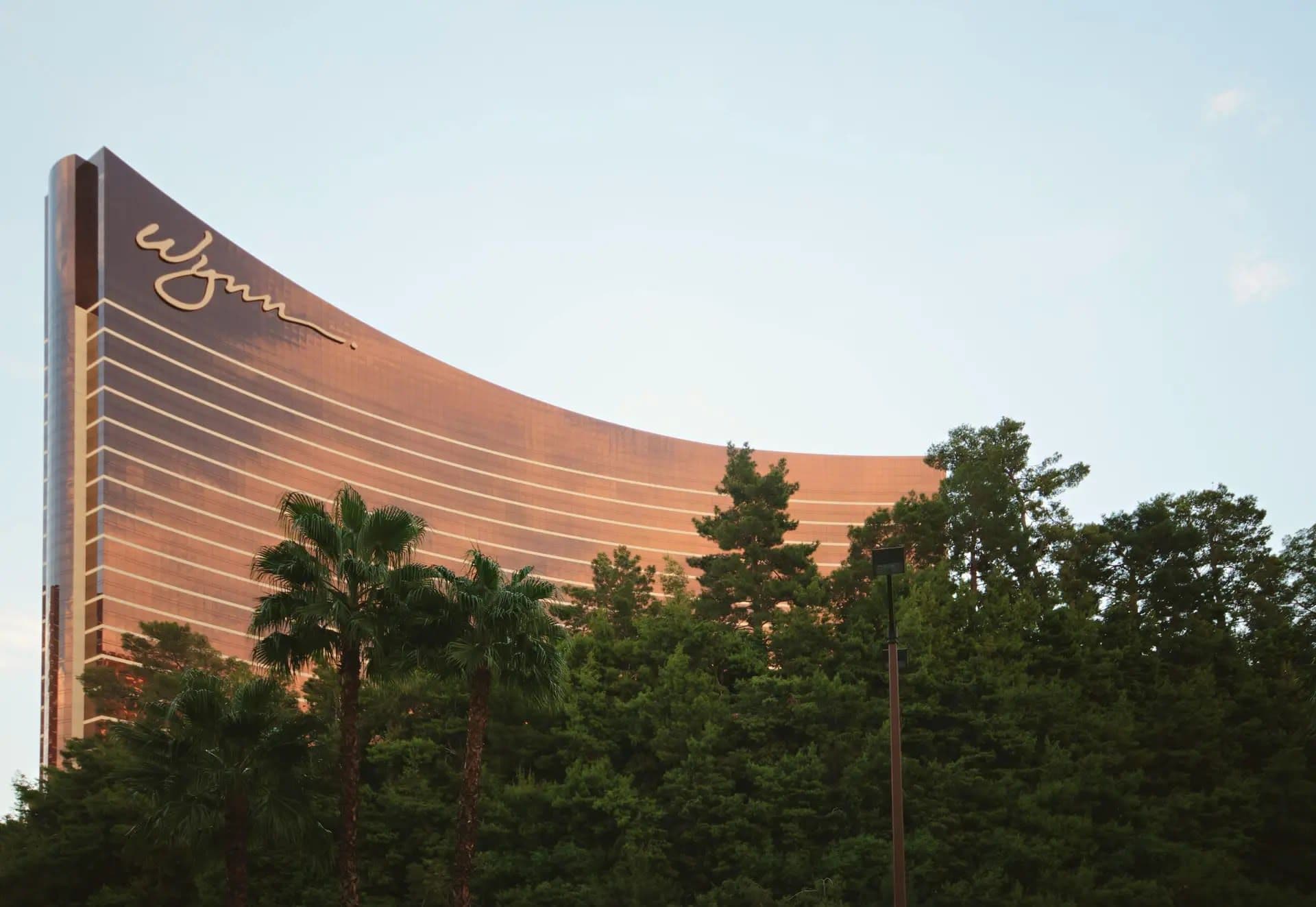
Key Takeaways
- Craig Billings stated on September 29 at G2E that Wynn does not take a political stance on prediction markets because it has no "skin in the game".
- Bill Hornbuckle (MGM) and Tom Reeg (Caesars) labeled prediction markets as illegal or "obscene" and warned of risks to licensing.
- The American Gaming Association stated that platforms have lost nearly 90% of state lawsuits and feels "well-positioned" to win at the Supreme Court.
- California's tribal casinos now generate over $12.6 billion annually, a historical example cited by Billings about the political costs of opposing the market.
Craig Billings, CEO of Wynn Resorts, stated on September 29 at the opening session of the Global Gaming Expo (G2E) in Las Vegas that Wynn does not take a political stance on prediction markets because the company has no "skin in the game". His comments contrasted with those of the chief executives of MGM Resorts and Caesars Entertainment, who labeled prediction markets as illegal, harmful, and potentially damaging to the industry.
What Billings Said About Prediction Markets
Billings asserted that the "broad distribution of online gaming and betting offers some benefit to Las Vegas" and that Wynn was not "opining on the legality" of the product. He added that Wynn, which operates Wynn Las Vegas and Encore Las Vegas, had not observed direct effects to date, although he acknowledged that indirect impacts could arise over time.
"We do not take a political stance on prediction markets because we have no skin in the game," Billings said during the "CEO Outlook: The Global State of Gaming" session on September 29.
Billings placed his stance in a historical precedent: he recalled the Strip's campaigns against ballot measures regarding tribal gaming in California in 1998 and 2000. He noted that many Strip venues discreetly financed those campaigns and that, after losing, the industry found "an army of people in California who became inert to coming to Las Vegas". According to The Nevada Independent's report of data from the National Indian Gaming Commission, California's tribal casinos now generate more than $12.6 billion annually in gaming revenue.
MGM and Caesars: License or Out
Bill Hornbuckle, CEO of MGM Resorts, described it as "obscene" that prediction market operators were active in Utah, a state that, along with Hawaii, prohibits all forms of gaming. Hornbuckle said that Nevada regulators warned MGM that "if you extend this, it will impact your license". Reports from Yogonet indicate that MGM considered entering prediction markets in early 2025, likely through BetMGM, before backing away.
Tom Reeg, CEO of Caesars Entertainment, compared prediction markets to the early days of daily fantasy and labeled the argument that they are "swap" contracts as "ludicrous". Reeg emphasized that before Caesars' sale for $17.6 billion to Fertitta Entertainment in May, Kalshi had listed a market concerning whether Caesars would be acquired in 2026, which he found astonishing.
Regulation, Courts, and the Position of the American Gaming Association
Bill Miller, President and CEO of the American Gaming Association (AGA), stated at the conference opening that prediction markets accept sports bets without paying gaming taxes and disregard state law or tribal sovereignty. According to his remarks recorded by The Nevada Independent, the platforms have lost around 90% of lawsuits with states, including the last 15 cases.
"If this ends up in the Supreme Court, we have the facts on our side and we are well-positioned to win," affirmed Bill Miller.
The discussion at G2E reflects that stakeholders with direct exposure to the sports betting business — Caesars with Caesars Sportsbook and MGM with BetMGM — see Kalshi and similar platforms as competition that erodes their volume. Adam Greenblatt, CEO of BetMGM, told The Nevada Independent that prediction markets significantly cut traditional sports betting during the FIFA World Cup.
Why Wynn Can Afford Neutrality
Wynn launched WynnBET in 2020 and began shutting it down in August 2023, citing an "ultra-competitive sports betting landscape" that consumed resources. The company concentrates its offerings on the tourist and hotel experience in Las Vegas; its "distribution" argument asserts that any product maintaining interest in gaming and sports can drive visitors to the city. That positioning carries no direct cost for Wynn, as the revenue risk primarily belongs to operators with active sportsbooks.
Risks to the Industry and the Californian Precedent
Billings also warned of the political risk: prediction markets pushing activity to generate public backlash attract regulatory response and can lead to Congressional intervention. Historically, most of the industry has preferred a state regulatory framework; a shift to federal standards would represent a structural transformation.
The parallel with California serves to illustrate a business point — losing the public battle before the electorate can drive away key customers — but it has legal limits. California tribes won the right to operate through voting; Kalshi and similar platforms assert they do not need state permission, a claim with which the courts have generally disagreed, including rulings from the Ninth Circuit in cases related to Nevada.
What This Means for Operators and Regulators
The public differences among three of the largest Strip operators clearly show that the sector is divided between those who prefer a regulatory offensive and those opting for tactical neutrality. State licensing officials, such as the Nevada Gaming Control Board, have already treated contracts on sporting events as indistinguishable from traditional sports betting; in November 2025, DraftKings and FanDuel withdrew their license applications in Nevada following that regulator's stance.
For operators, suppliers, and regulators, the practical lesson is twofold: maintain control over who offers bets in regulated markets and prepare legal and public policy arguments if the dispute escalates to the Supreme Court or Congress. The debate at G2E also underscores a straightforward business fact: public reaction to a product can change both the market and the regulatory environment.
Frequently Asked Questions
What did Wynn say about prediction markets at G2E?
Wynn does not take a political stance on prediction markets because, as Craig Billings stated on September 29 at G2E, the company has no "skin in the game". Billings added that Wynn has not seen direct effects but admitted potential indirect impacts over time.
Why do MGM and Caesars criticize prediction markets?
MGM and Caesars argue that prediction markets are illegal and harmful; Bill Hornbuckle described their activities in Utah as "obscene" and stated that Nevada regulators warned this could affect licenses, while Tom Reeg called the argument that they are "swap" contracts "ludicrous".
What position does the American Gaming Association have on these markets?
The American Gaming Association claims that platforms evade gaming taxes and violate state laws and tribal sovereignty; Bill Miller stated at G2E that platforms have lost approximately 90% of their state lawsuits and that the AGA is "well-positioned" if the matter reaches the Supreme Court.
What historical example did Billings use to justify his neutrality?
Billings recalled that in 1998 and 2000, the Strip opposed measures on tribal gaming in California, lost, and that contributed to California's tribal casinos generating over $12.6 billion annually today, which, he said, alienated many potential customers from Las Vegas.
Tags
About the author

Renata Quiroga
Betting Markets Correspondent
Renata Quiroga covers sports betting and prediction markets — sportsbook launches, odds technology, event contracts, and the regulatory calls that decide what can be bet on and where. The reports open with the product or the ruling, name operators and platforms precisely, and explain the mechanics without needless jargon. When a book enters a Latin American market or a prediction exchange lists a contested contract, Renata Quiroga reports what changes for the bettor.
More from Renata Quiroga