America’s Gaming-Adjacent Market: Bridging the Payments Gap
The booming gaming-adjacent economy in the US demands a shift from traditional payment methods to ones tailored for micro-transactions and rapid payouts.
Key Takeaways
- The gaming-adjacent economy sees rapid growth in digital goods.
- Traditional payment systems face challenges with micro-transactions.
- Modern infrastructure requires real-time authorisation and network tokenization.
The growth story in American gaming is unfolding not just in regulated states but in the gaming-adjacent economy. Key areas include sweepstakes, social casino coin bundles, and skill-based tournaments. Not involving traditional wagers, these sectors focus on selling digital goods and are experiencing significant growth. Eilers & Krejcik Gaming reported sweepstakes social casino revenue of approximately $6.9 billion in 2025, up from $3.1 billion in 2022. Gross coin sales are expected to hit between $11 billion and $14 billion, with prize redemptions reaching $9 billion to $10 billion. According to KPMG, the category saw a compound annual growth rate of 60%-70% between 2020 and 2024. This consumer trend is showing resilience, with millions of Americans now regularly purchasing digital items.
Understanding the New Transactional Model
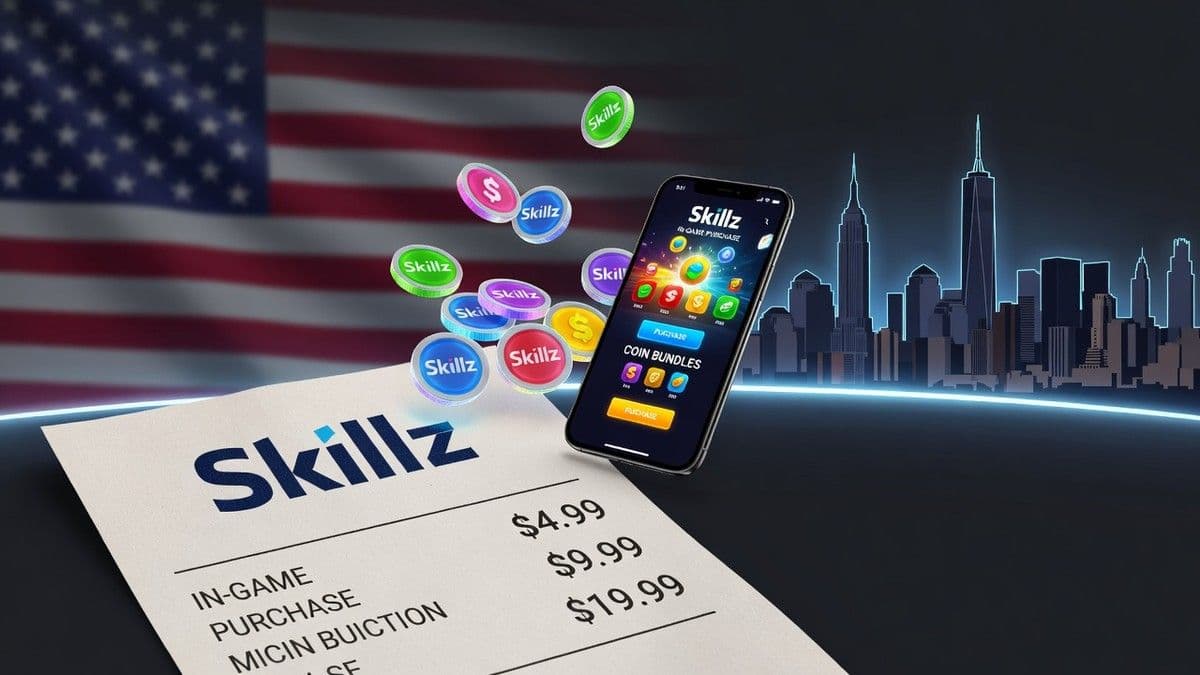
This market's transactions differ from those in regulated iGaming. Traditional casinos revolve around deposits, but gaming-adjacent businesses operate on micro-transactions. Small purchases, such as $4.99 or $9.99 bundles, are common and usually executed via digital wallets like Apple Pay or PayPal, expected to settle rapidly. Existing payment infrastructures, built for traditional ecommerce, often fail here. They struggle with high-velocity transactions and wallet integrations, causing potential financial inefficiencies.
Challenges for Traditional Acquirers
Regional high-risk acquirers face challenges adapting to this new environment. They are used to large-ticket transactions, but the micro-transaction model diminishes profitability due to fixed fees. Traditional chargeback models do not apply well here, leading to business risk mispricing. The payout aspect is also crucial as real-time payments, enabled by systems like RTP and FedNow, set new customer expectations. Legacy systems struggling with delayed payouts face retention issues. Additionally, ACH debits pose risks due to delayed payment confirmations that are unsuitable for high-speed transactions.
Creating Fit-for-Purpose Payment Infrastructure
Modern infrastructure suitable for this sector looks vastly different from traditional models. It should focus on real-time authorisation decisions and seamless transaction routing. Proper implementation of network tokenization is essential to optimise digital wallet economics. Payouts should be managed as major operations rather than back-office tasks. With unified data, operators gain insights necessary for real-time decision-making, positioning them for better strategic moves.
Payment solutions must evolve to close the gap between product innovation and existing infrastructure. History shows a lag between card rails and ecommerce, and a similar pattern exists with the gaming-adjacent boom. Companies that treat payments as a core product—integrated and strategised at board-level—will have a competitive advantage. As this sector grows rapidly, strategic payment solutions could be pivotal.
Alexander Rea, founder and CEO of Fyntek, exemplifies innovation in this space, with extensive experience in building payment infrastructures for the gaming industry across the US and Europe.
The Road Ahead
The payment landscape for America’s gaming-adjacent economy is evolving. Companies must shift their payment strategies towards micro-transactions and instant payouts to capitalize on this growth. Those who quickly adapt to these requirements stand to thrive in the current and future market dynamics.
Frequently Asked Questions
What defines the gaming-adjacent economy?
The gaming-adjacent economy encompasses businesses like sweepstakes and skill-based tournaments, focusing on selling digital goods rather than traditional wagers.
Why are traditional payment systems struggling in this market?
Traditional systems are not equipped for high-velocity micro-transactions, which leads to issues such as inefficient fee structures and delayed payment processes.
What does modern payment infrastructure look like?
It should offer real-time transaction routing, proper network tokenization, and seamless payout processes, supported by unified data for strategic decision-making.
Tags
About the author

Priya Nair
Payments Correspondent
Priya Nair covers payments and fintech in the gambling industry — processor and PSP deals, payment-method launches, crypto rails, and the compliance shifts that decide what players can actually use at the cashier. The stories lead with the deal or launch, name the companies and methods precisely, and translate the jargon into what operators and players gain or lose. From open-banking pilots to stablecoin settlement and chargeback rules, Priya Nair follows the money the industry runs on.
More from Priya Nair