Far East iGaming Regulation: Challenges for Operators in the Philippines and Beyond
Regulatory frameworks in the Far East are tightening, with particular uncertainty around a proposed advertising ban in the Philippines and ongoing market corrections across Macau and South Asia.
Key Takeaways
- Regulatory scrutiny in Far East iGaming is increasing, particularly across South Asia and the Philippines.
- A proposed Philippine bill could introduce a full advertising ban for online gambling, adding to market volatility.
- Land-based casinos in the Philippines are expanding online, viewing recent difficulties as a market correction rather than a sustained downturn.
- Macau is recovering from a temporary drop in casino revenue, with government policy limiting new operator entry.
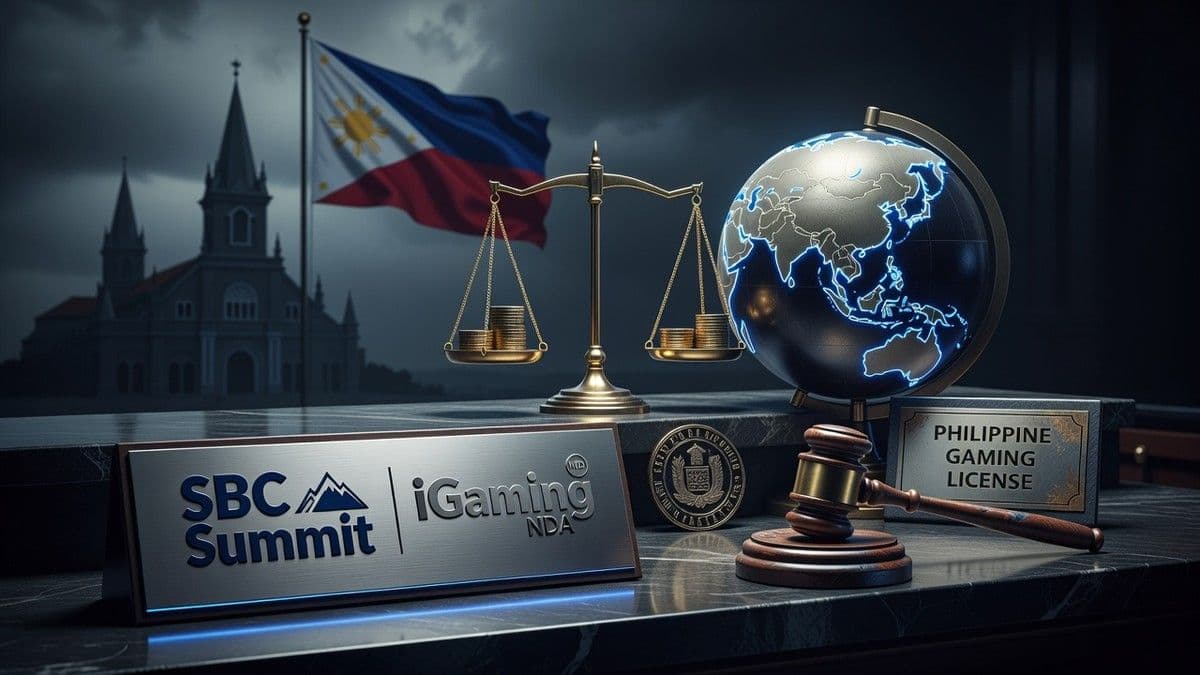
- Events like the SBC Summit in Lisbon facilitate crucial dialogue on regulatory and operational challenges.
Operators in the Far East’s iGaming sector face a dynamic and complex regulatory environment, particularly as new proposals in the Philippines could limit advertising and South Asian markets continue to shift policy positions. While opportunities grow, compliance and operations divisions have become central to navigating this evolving landscape, as revealed by Japneet Sethi, Chief Growth Officer – South Asia at iGaming NDA, ahead of his panel appearance at the SBC Summit in Lisbon.
Heightened Regulatory Scrutiny in Far East iGaming
Recent years have seen a marked increase in regulatory oversight across Far East iGaming markets. According to Japneet Sethi, while geopolitical conflict in the Middle East has not directly affected the sector operationally, increased governmental scrutiny has had a significant impact, especially in South Asia. Many countries in the region have moved to regulate or outright ban online gambling, elevating the role of compliance and operations within operators. The expansion of COO and CCO roles is a direct response to shifting regulatory policies and greater attention from authorities.
"Operations and compliance became the most important departments for operators," said Japneet Sethi, reflecting on regulatory shifts in South Asia.
This context underscores the need for thorough due diligence on both financial structures and political environments before entering or expanding in these markets. Sethi emphasises rational resource allocation and careful planning to mitigate rising costs linked to instability and heightened supervision.
The Philippines: Potential Impact of Proposed Advertising Ban
The Philippines, long seen as a dynamic hub for online gambling, now faces uncertainty with the introduction of a bill proposing a full ban on iGaming advertising. As Sethi observes, volatility is inherent in most iGaming jurisdictions due to the political climate. At present, the legislation remains at the proposal stage, requiring passage through both chambers of the Philippine Congress and presidential approval to become law. From Sethi’s discussions with regional experts, a total ban remains unlikely, yet the mere risk signals the importance of contingency planning for operators. Even a small probability of legislative change can have outsized implications, particularly where “most of the frequently used marketing channels” could be lost.
If enacted, such a ban would severely impact operator outreach and visibility, fundamentally altering customer acquisition strategies and potentially increasing reliance on alternative marketing methods.
Land-Based Casinos Turn to Online Expansion in the Philippines
Some land-based casino operators in the Philippines have sought growth by entering the regulated online casino market. Sethi characterises this not as a sign of sector struggle, but as a market correction influenced by economic and regulatory pressures. Integrated online and offline offerings enable operators to provide continuous player engagement and leverage novel loyalty programmes that span both environments.
Despite challenges in the first two quarters of the year, the expectation is for the market to stabilise as operators and regulators adjust to new realities. Sethi’s perspective suggests online expansion is a logical progression for brick-and-mortar brands operating under the current legislative framework.
Macau Market Correction and Response to Major Events
Macau, a key gaming jurisdiction, experienced a drop in casino gross gaming revenue (GGR) during the FIFA World Cup, attributed to player focus on sports betting. Sethi notes momentum returned near the event’s end, and predicts recovery beginning from August and September. Under current government policy, additional market share is not expected to be allocated to new entrants—any freed-up share is distributed among existing licensees, removing the potential for new operator entry in the near term.
“New entrants are not possible because under the current government laws, any freed-up market share would be equally distributed amongst the current internal players,” Sethi stated regarding Macau’s regulatory limits.
Sethi describes these conditions as a “stress-test” rather than a sustained challenge, implying resilience among established stakeholders.
The Growing Importance of Regulatory Dialogue at Industry Events
Panels like those hosted at the SBC Summit in Lisbon are increasingly critical as they gather voices from both iGaming and non-iGaming sectors worldwide. Sethi sees such forums as essential for sharing perspectives and shaping practical solutions that respond to emerging challenges. The event provides an opportunity for regulatory affairs professionals, operators, and investors to discuss evolving Far East iGaming regulation and to gain insights into the latest developments in regulated markets. For stakeholders navigating these jurisdictions, gaining perspective from market leaders and compliance teams is key to building resilient strategies. Event-driven dialogue, as exemplified by the SBC Summit, contributes to industry-wide understanding and adaptation.
Adapting to Change: Compliance as a Strategic Imperative
For operators in the Far East, ongoing adaptation is central. Regulatory changes—from proposed advertising bans in the Philippines, to new restrictions and heightened scrutiny across South Asia and Macau—require investment in compliance infrastructure and strategic flexibility. Conducting political and financial due diligence before making commitments in these rapidly shifting environments is essential to ensure sustainability and mitigate risk. In this context, the rise of robust operations and compliance roles reflects the sector’s evolving priorities, with a forward focus on stability and long-term growth.
Frequently Asked Questions
How is Far East iGaming regulation changing in the Philippines and South Asia?
Regulation in the Philippines and South Asia is becoming more stringent, with increased scrutiny and, in some cases, outright bans on online gambling. The Philippines faces potential added restrictions through a proposed advertising ban that is still under legislative review.
What impact could a Philippine iGaming advertising ban have on operators?
A full advertising ban would significantly limit operators’ ability to reach players by removing commonly used marketing channels. The legislation is not yet enacted but operators are advised to prepare for multiple scenarios due to the market’s volatility.
Why are land-based casinos in the Philippines expanding into online gaming?
Many land-based operators are moving online to offer integrated experiences and robust loyalty programs. This move is not solely due to struggles but represents a response to market correction and opportunities in the regulated digital sector.
How did the World Cup affect Macau’s casino market?
Macau saw a decline in casino GGR during the World Cup, as player activity shifted to sports betting. Recovery signs appeared near the tournament's end, with expectations of market rebound in August and September.
What role do events like the SBC Summit Lisbon play for the industry?
Industry gatherings such as the SBC Summit Lisbon provide platforms for discussion between stakeholders from regulated and emerging markets, enabling knowledge sharing and collaborative problem-solving around evolving regulatory challenges.
Tags
About the author

Eleanor Whitfield
Regulatory Affairs Correspondent
Eleanor Whitfield tracks gambling legislation, licensing decisions, and regulator enforcement across key markets — from the UKGC, MGA, and Germany's GGL to Spain's DGOJ and the state-by-state map in the Americas. The reporting answers three questions precisely: what changed, where, and who it affects, with jurisdictions, effective dates, and penalty figures named exactly as published. Compliance officers and operators read Eleanor Whitfield to know which rulebook moved before their next board meeting.
More from Eleanor Whitfield