Stake Launches 'Engine' Platform Globally, Targeting iGaming Operators
Stake has rebranded its content platform to 'Engine', opening its library of over 250 weekly new iGaming titles and provably fair games to operators across the sector through a single integration.
Key Takeaways
- Stake has rebranded its Stake Engine as 'Engine' and opened it to external iGaming operators.
- Engine now offers a single integration for operators to access games created by over 1,000 individual creators.
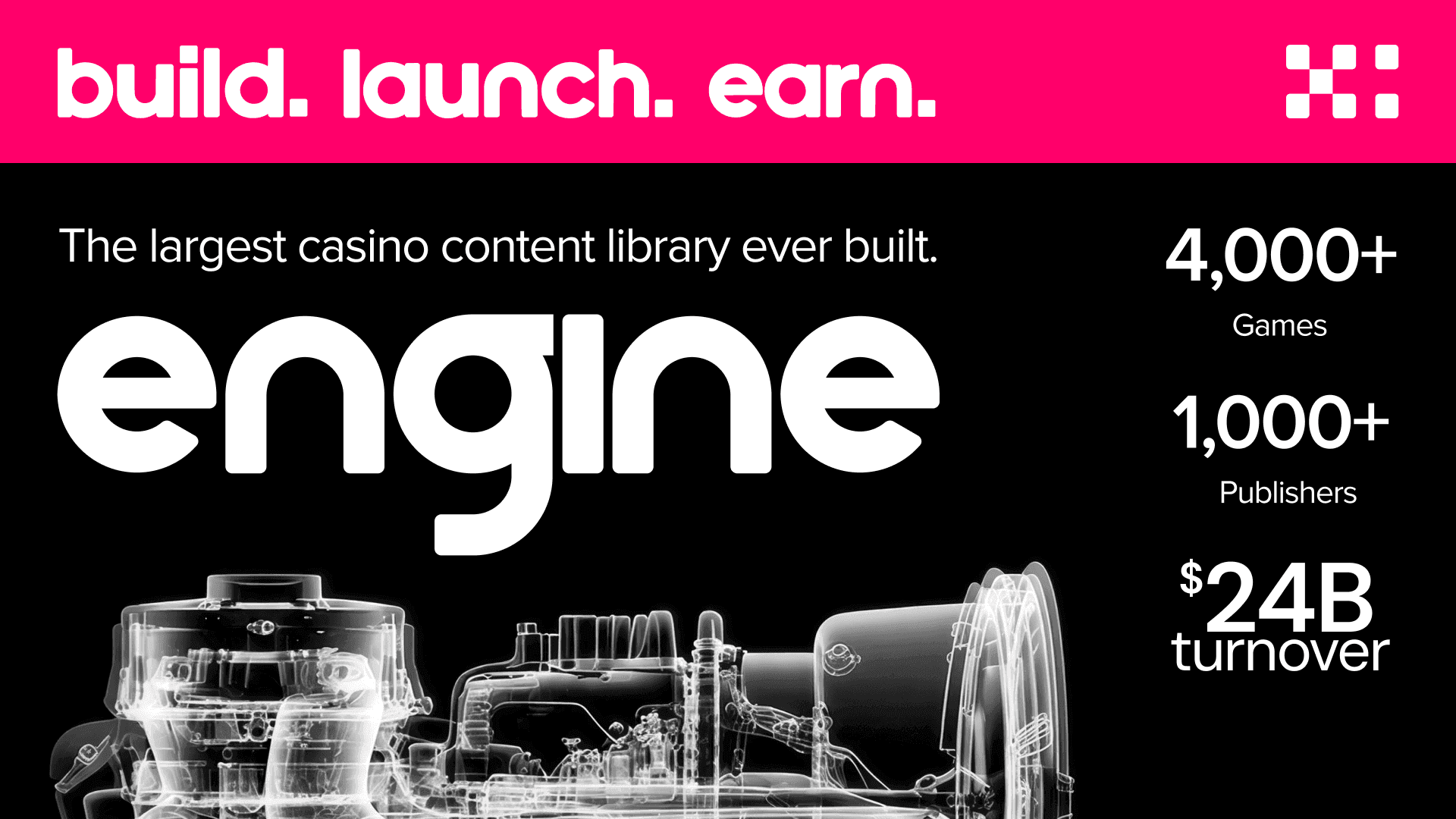
- Games on the Engine platform have generated more than $23 billion in turnover from 9.7 billion bets.
- All Engine-distributed games use provably fair mechanics and operate under a single, standardised contract model.
Stake has announced the rebranding of its proprietary Stake Engine platform as 'Engine', simultaneously opening it up to external iGaming operators for the first time. This move pivots Engine from an in-house content engine geared at Stake’s users, to a global accessible content and creator ecosystem for the betting and gaming industry.
Engine’s Rebrand: From In-House to B2B Platform
Engine was previously structured as a publishing and aggregation tool for exclusive Stake titles. The change now permits operators across the iGaming market to access the platform’s game library through a single integration, a shift confirmed by Stake on 15 September 2026. The company reports that the platform has handled more than $23 billion in total turnover since inception, processing 9.7 billion bets via games built on Engine.
Features of the New Engine Platform
The platform brings together a network of over 1,000 independent game creators, producing more than 250 new titles every week according to Stake. Games distributed via Engine employ ‘provably fair’ mechanics, which Stake says enable independent verification of results.
A further operational detail: Engine uses a standardised contract model for engagement between creators and operators. Stake has specified that all settlements involving creators are managed through a single monthly invoice, aimed at streamlining commercial relationships across the network.
"Engine has already proved that a creator-led community can create some truly fantastic, quality games, at scale," said Ed Craven, Co-Founder of Stake. "Our evolution into Engine marks a new chapter in that growth journey."
Craven explained that opening Engine to the wider market is intended to allow creators to access broader audiences and enable operators to enrich their offering with original content.
iGaming Operators: Access to Content and Creator Tools
Stake’s move positions Engine as a third-party library and development framework for casino operators. The company claims operators integrating Engine gain access to a pipeline of new and original games every week, as well as tools for building their own creator ecosystems.
The single integration and contract model are designed to simplify onboarding and ongoing management. Operators also receive the assurance that all Engine games use provably fair mechanics, which could appeal to regulated markets and jurisdictions with transparency requirements.
Commercial Workflow: Contract Standardisation and Settlement
Stake has indicated the commercial model revolves around a single contract template for every operator–creator pair, eliminating the need for bespoke deal negotiation on each title.
All creator settlements are handled centrally: Engine issues a monthly invoice per operator covering all content, with distributions to individual creators managed by the platform.
"With 1,000 creators on board, and hundreds of games being added to the pipeline every week, we believe that this will fundamentally change how casino content is created and distributed going forward," said Craven.
Provably Fair Gaming and Independent Verification
Every game on the Engine platform reportedly uses 'provably fair mechanics'. Stake highlights this as a differentiator, with all outcomes subject to independent verification—an approach aligned with rising scrutiny of fairness and transparency in digital gaming content.
Looking Ahead: What Engine’s Launch Means for B2B iGaming
For b2b iGaming suppliers and operators, Engine’s global rollout introduces a new option for direct access to original and independently-produced content. With the platform now open to third parties, the scale and performance claims—$23 billion turnover, 9.7 billion bets, more than 1,000 creators—invite interest but also scrutiny from a market often skeptical of big numbers and rapid scaling.
Engine’s creator-led model may attract operators keen to differentiate with bespoke content, or seeking to demonstrate provable fairness to regulators and players. Whether the breadth and volume—over 250 games weekly—translate to quality and sustained engagement across the sector remains to be tested in commercial deployments.
Frequently Asked Questions
What is the Engine platform rebranded from?
Engine is the new name for Stake Engine, previously an in-house platform exclusive to Stake. The platform has now been opened to iGaming operators globally.
How can iGaming operators access Engine content?
Operators can access Engine content through a single integration, gaining entry to over 1,000 creators’ work and more than 250 new games added each week.
What commercial model does the Engine platform use?
Engine uses a standardised contract for all operators and creators, with Stake managing monthly settlement invoices centrally.
What are 'provably fair mechanics' on Engine games?
All Engine games feature provably fair mechanics, allowing outcomes to be independently verified for fairness, addressing compliance and transparency demands.
Tags
About the author

Oliver Grant
Industry Technology Correspondent
Oliver Grant covers the technology and business machinery of iGaming — platform and data deals, AI and compliance tooling, affiliate and marketing shifts, and the quarterly numbers behind them. The reports lead with the announcement, name the vendors and figures exactly as published, and separate genuine capability from press-release promise. When a supplier ships a new engine or a regulator tightens ad rules, Oliver Grant explains what actually changes for the companies involved.
More from Oliver Grant