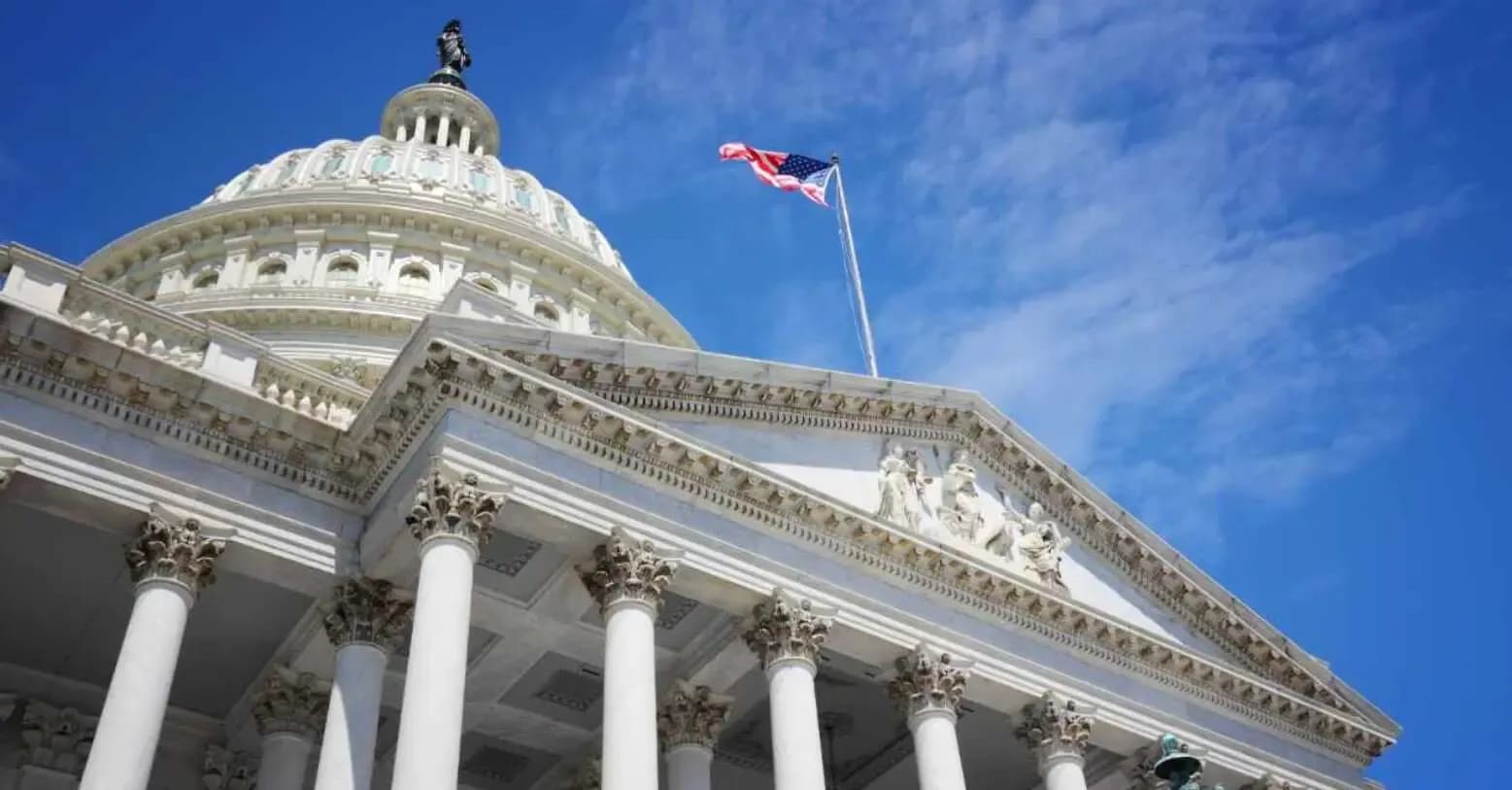
Blumenthal inquiry puts DraftKings and FanDuel on notice
Sen. Blumenthal will press both operators over VIP programmes and prediction-market activity.
Key Takeaways
- Senator Richard Blumenthal told Front Office Sports on 7 October 2026 he will question DraftKings and FanDuel about prediction markets and VIP programmes.
- The FanDuel VIP probe is being used as a bridge to broader scrutiny of prediction markets and high-value customer treatment.
- House Oversight has subpoenaed Hyperliquid and Crypto.com trading records, and the CFTC has probed Kalshi bets, creating an active oversight environment.
- DraftKings and FanDuel should prepare for document requests, public testimony and heightened demand for complete surveillance records.
Senator Richard Blumenthal told Front Office Sports on 7 October 2026 that he will press DraftKings Inc. and FanDuel Group about their prediction market activities and high-value customer programmes. The Connecticut Democrat first demanded details on FanDuel's VIP bettor scheme and said he will extend that scrutiny to DraftKings and standalone prediction-market platforms. The announcement moves congressional attention from industry-wide oversight to named-operator targeting.
Why the Blumenthal inquiry matters for prediction markets
Blumenthal's intervention changes the inquiry's framing: high-value customer programmes at major sportsbook incumbents are now an explicit conduit to questions about prediction markets. Kalshi, Polymarket, Robinhood and Crypto.com already face state lawsuits and federal probes; adding DraftKings and FanDuel signals Congress does not consider any platform categorically outside scope. That matters because regulators and litigators rely on public, named examples when seeking records or drafting legislation.
The senator used the FanDuel VIP review as the entry point. His line of questioning links harms observed or alleged in VIP schemes — concentrated wagering, opaque account treatment, and bespoke incentives — to the broader risks posed by event-contract markets where position sizes and trader behaviour can influence outcomes.
What operators should expect next from the Blumenthal inquiry
Operators named in Blumenthal's statement should anticipate document requests and potential public testimony. The timeline is already active in related venues: the U.S. House Committee on Oversight and Accountability has subpoenaed trading records from Hyperliquid and Crypto.com, and the Commodity Futures Trading Commission has been reported as probing a former lawmaker's bets on Kalshi. Those parallel actions show how quickly targeted oversight can expand.
DraftKings and FanDuel will likely be asked to produce:
Records of VIP or high-value bettor programmes, including eligibility criteria and account treatment.
Trading and transaction logs for prediction-market products offered on their platforms, where applicable.
Surveillance data and internal escalation records showing how large positions or suspicious activity were handled.
A single adverse finding — for example, missing or inconsistent surveillance logs — could accelerate calls for a unified surveillance regime rather than the current patchwork of state and platform-specific controls.
How congressional focus spread from FanDuel VIP to broader prediction-market scrutiny
Blumenthal's strategy is procedural. He started with FanDuel's VIP programme specifics and then said he would apply the same line of questioning to DraftKings and prediction-market operators. That progression gives lawmakers a concrete harm to anchor inquiries on before expanding to market design, cross-platform risk, and regulatory gaps.
The shift from general oversight hearings to named-operator scrutiny is significant. Named targets create pressure points that can prompt faster evidence disclosure and legislative drafting. The addition of sportsbook incumbents to a list of platforms already facing enforcement and litigation highlights the potential for cross-sector regulatory activity.
Platforms already under legal or regulatory pressure
Several event-contract and crypto-exposed platforms are already subject to probes and suits. Kalshi and Polymarket have drawn regulatory attention; Robinhood and Crypto.com face state actions and federal investigations. Hyperliquid has been subpoenaed by House Oversight for trading data. The CFTC's probe into a former lawmaker's Kalshi positions further demonstrates that regulatory actors are treating prediction markets and large directional bets as matters of federal interest.
Those parallel actions shape what legislators ask Blumenthal-style: operators lacking coherent, auditable surveillance data become examples in hearings and in any future statutory text.
Practical steps for operators and vendors
Compliance, legal and platform teams should prioritise the same three items Blumenthal's line of inquiry highlights: documentation, surveillance completeness, and a clear audit trail for VIP or large-account treatment. Vendors that supply transaction monitoring, trade surveillance, and data-retention services will see demand from operators wanting to close identified gaps.
Regulated sportsbook companies that also host prediction products must treat those products as part of a single compliance perimeter. Where governance and surveillance differ between sportsbook books and event-contract systems, operators should align policies and retention practices now to avoid being the example that drives legislative change.
Where this could land policy and market structure
If congressional review finds systemic deficiencies in surveillance or VIP treatment, lawmakers are likely to propose harmonised reporting requirements, mandatory recordkeeping for event contracts, or clearer authority lines for the Commodity Futures Trading Commission and state regulators. Any such response would move the market toward a uniform surveillance regime and tighter controls on high-value accounts.
DraftKings and FanDuel are now positioned as test cases. How they respond to document requests and whether they can demonstrate comprehensive surveillance will influence the shape of subsequent enforcement and legislative efforts.
Blumenthal told Front Office Sports he intends to ask questions of both DraftKings and FanDuel about their prediction market operations, signalling a broader inquiry.
The immediate practical reality for operators is simple: prepare for targeted records demands and public scrutiny they may not have expected this cycle. Platforms without clean, auditable surveillance data risk becoming the example lawmakers use to justify broader regulation.
Frequently Asked Questions
What did Senator Blumenthal say about DraftKings and FanDuel?
Senator Richard Blumenthal said he will ask both DraftKings Inc. and FanDuel Group questions about their prediction market operations and VIP bettor programmes. He made the remark to Front Office Sports on 7 October 2026 and indicated he will apply the same scrutiny to DraftKings that he has applied to FanDuel.
Which platforms are already under scrutiny alongside DraftKings and FanDuel?
Kalshi, Polymarket, Robinhood and Crypto.com are already facing state lawsuits and federal probes. House Oversight subpoenaed trading records from Hyperliquid and Crypto.com, and the Commodity Futures Trading Commission has probed a former lawmaker's Kalshi bets.
What records should operators expect to produce in response to the inquiry?
Operators should expect to produce VIP programme documentation, trading and transaction logs for prediction products, and surveillance or escalation records for large positions. The article notes these categories explicitly as the items likely to be requested.
Tags
About the author

Tessa Coleman
Betting Markets Correspondent
Tessa Coleman covers betting products and markets — sportsbook launches, odds and trading technology, and the fast-growing prediction-market space from regulated exchanges to event contracts. The stories lead with the product or the ruling, name the operators and platforms precisely, and translate trading jargon into what bettors can actually do. When a book reworks its pricing or a prediction market wins a license fight, Tessa Coleman explains the mechanics and the stakes.
More from Tessa Coleman