Supreme Court could rule on sports prediction markets by June 2027
Conflicting appeals rulings leave Kalshi and Robinhood seeking review amid CFTC rulemaking.

Key Takeaways
- Three federal circuits—the Third, Ninth and Sixth—have reached conflicting rulings on whether sports event contracts are swaps under federal commodities law.
- New Jersey and Robinhood have petitioned the US Supreme Court; Kalshi has until 9 November to respond to New Jersey's petition.
- Daniel Wallach said the Court could accept the cases in December 2026 or January 2027, with arguments in March or April and a decision by June 2027.
- A separate Commodity Futures Trading Commission rulemaking could affect both timing and legal outcomes.
- The Ninth Circuit found tribes likely to succeed on Indian Gaming Regulatory Act claims related to sports contracts on tribal lands.
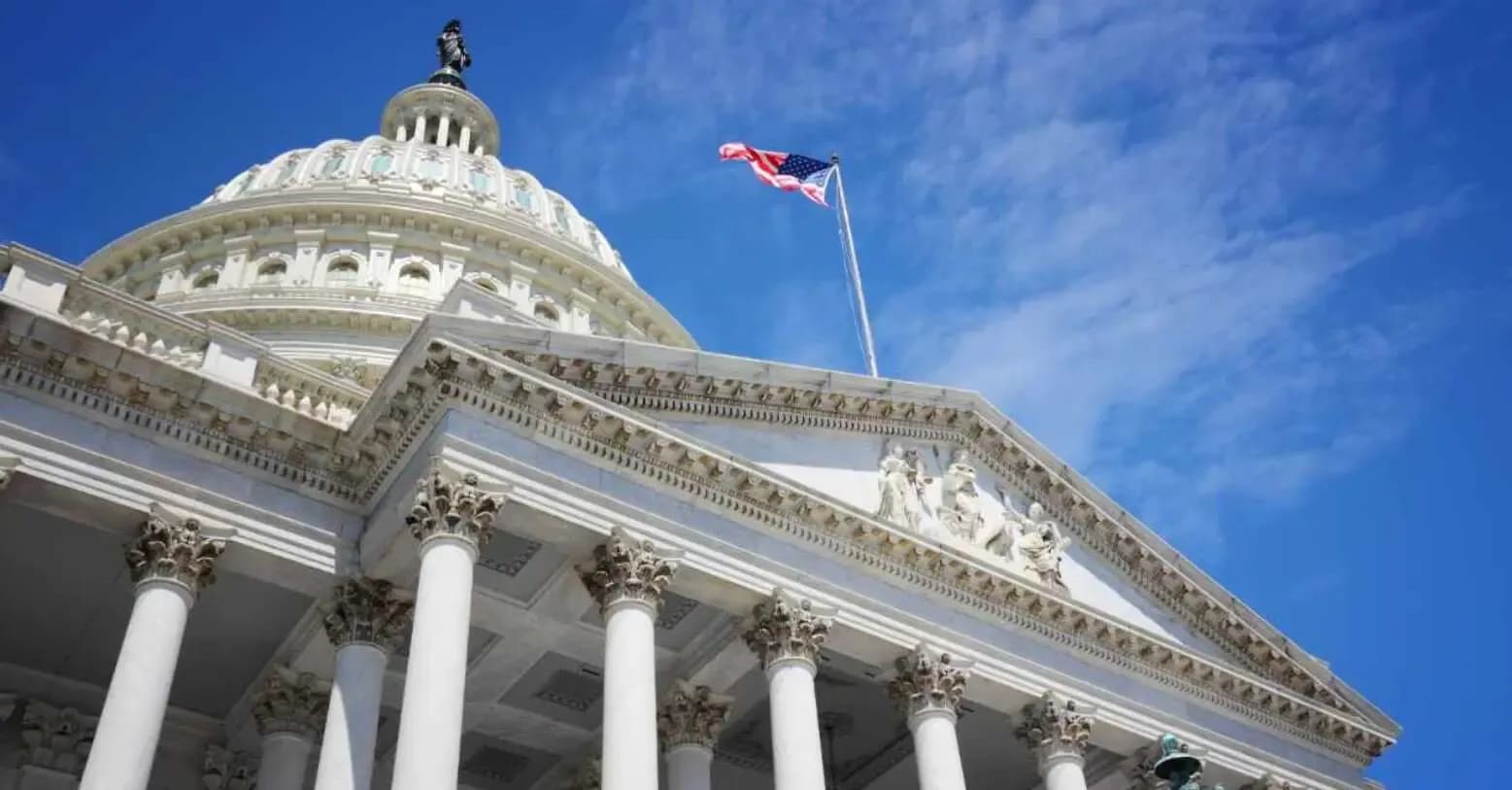
The US Supreme Court may decide whether sports prediction market contracts are governed by federal commodities law by June 2027, legal experts say. Gaming attorney Daniel Wallach told attendees at the Global Gaming Expo in Las Vegas that the court could accept petitions in December 2026 or January 2027, hear arguments in March or April, and issue a decision by the end of the term in June 2027. New Jersey has already asked the High Court to review an appeals ruling that favoured Kalshi, and Kalshi has until 9 November to respond after receiving an extension.
Why the Supreme Court could take this case
Three federal circuit courts have reached divergent conclusions about whether sports event contracts are swaps covered by the Commodity Exchange Act and therefore regulated by the Commodity Futures Trading Commission. The Third Circuit sided with Kalshi in April, treating sports event contracts as swaps under federal commodities law. The Ninth Circuit reached the opposite conclusion on 28 August, allowing Nevada to enforce state gaming laws against Kalshi's sports contracts. On 25 September the Sixth Circuit rejected Kalshi's bids for the same protection in Ohio and Tennessee.
That split creates the central legal question: can platforms regulated by the Commodity Futures Trading Commission offer sports event contracts nationwide under federal law, or can individual states apply their own gambling statutes to those contracts?
Who has petitioned the Supreme Court and why
The State of New Jersey filed a petition asking the Supreme Court to review the Third Circuit decision that favoured Kalshi. Robinhood has separately asked the Supreme Court to review the Ninth Circuit dispute, arguing its petition could be considered alongside New Jersey's filing and giving the justices multiple routes to the same Commodity Exchange Act question. Kalshi has also requested rehearing in the Ninth Circuit; Wallach described the chance of that court granting a rehearing as very small.
If the Supreme Court takes the cases on the timetable Wallach outlined, petition grants could come in late 2026 or very early 2027, with briefing and argument to follow on a compressed schedule. If the court declines early review, the industry may not see a decision until at least 2028.
How CFTC rulemaking could affect timing and outcome
A separate rulemaking process at the Commodity Futures Trading Commission complicates the legal picture. Current CFTC regulations prohibit certain gaming contracts, and the Ninth Circuit relied in part on that rule when rejecting Kalshi's federal-law arguments. The Ninth Circuit also emphasised that proposed CFTC regulations have no legal effect until the Commission formally adopts them.
That procedural point matters: if the CFTC adopts new rules before the Supreme Court resolves the circuit split, the agency's position could alter the legal landscape or the Court's appetite to intervene. The agency's timeline, however, is distinct from the court schedule and may not align with the term-based timetable Wallach described.
Tribal litigation and parallel legal tracks
A separate line of litigation involves tribal governments and the Indian Gaming Regulatory Act. The Ninth Circuit recently found that tribes had shown a likelihood of success on claims relating to sports contracts offered on tribal lands under the Indian Gaming Regulatory Act. That dispute follows a different legal pathway from the state-versus-federal questions and could produce independent consequences for platforms operating on or with tribal lands.
Where industry stakeholders stand and the odds
Wallach estimated that states have a 70%–80% chance of prevailing if the Supreme Court accepts the core question about sports prediction markets. He cautioned, however, against treating lower-court results as determinative.
"I’d love to say a 100%, but there are no guarantees when you get to the high court," Wallach said.
Market participants are watching two practical variables: the Supreme Court's decision whether to grant review, and whether the CFTC completes any rulemaking before the Court acts. If the Court takes the case quickly, a single term could resolve the national pre-emption question. If not, operators face continued legal fragmentation across circuits for at least another year.
What operators and platforms should expect next
Operators and platforms that offer sports event contracts should prepare for three possible near-term outcomes:
The Supreme Court grants review on a December 2026–January 2027 schedule and issues a definitive ruling by June 2027.
The Supreme Court defers review, prolonging the circuit split and leaving state enforcement actions, like Nevada's, in place across some jurisdictions.
CFTC rulemaking changes the regulatory baseline before the Court rules, which could limit or broaden federal pre-emption depending on the final rule.
Regulated trading platforms will need to track petitions and filings closely and assess state-level exposure while monitoring the CFTC timetable. Those that operate in multiple states should evaluate compliance and licensing risk in Nevada, New Jersey, Ohio and Tennessee, the jurisdictions most immediately implicated by the appeals rulings. The industry will also follow tribal litigation under the Indian Gaming Regulatory Act for implications on operations on tribal land.
Legal significance for the wider market
A Supreme Court decision that sides with states would preserve the ability of states to apply their gambling laws to sports event contracts, maintaining varied regulatory regimes across the US. A decision favouring federal commodities pre-emption would centralise authority under the Commodity Exchange Act and the Commodity Futures Trading Commission and could clear the way for national offerings by platforms like Kalshi and Robinhood. The Court's choice of procedural route — whether to take New Jersey's petition, Robinhood's, or both — could also shape the framing of the legal question before the justices.
The next definitive milestones are Kalshi's 9 November response deadline to New Jersey's petition, potential Supreme Court grant dates in late 2026 or early 2027, and any formal CFTC action that alters the regulatory baseline before the Court acts. Industry participants should monitor filings and the CFTC's rulemaking docket closely and be ready to adjust market-access strategies accordingly. For coverage of regulatory shifts and court filings, consult our reporting in /regulation and market product analysis in /b2b.
Frequently Asked Questions
When could the US Supreme Court rule on the sports prediction market cases?
A ruling could arrive by June 2027 if the Court grants review in December 2026 or January 2027, hears arguments in March or April, and issues a decision by the end of the term, according to Daniel Wallach.
Which federal appeals courts have issued conflicting decisions on sports event contracts?
The Third Circuit ruled for Kalshi in April, the Ninth Circuit ruled against Kalshi on 28 August, and the Sixth Circuit rejected Kalshi's protection on 25 September, creating a circuit split.
How could CFTC rulemaking change the legal situation for sports prediction markets?
CFTC proposed regulations currently have no legal effect until formally adopted; the Ninth Circuit relied on existing CFTC rules when rejecting Kalshi's arguments, so any future CFTC action could alter the regulatory baseline before the Supreme Court rules.
What did the Ninth Circuit say about tribal claims under the Indian Gaming Regulatory Act?
The Ninth Circuit found that tribes had shown a likelihood of success on claims involving sports contracts offered on tribal lands under the Indian Gaming Regulatory Act, creating a separate legal route from state disputes.
Tags
About the author

Tessa Coleman
Betting Markets Correspondent
Tessa Coleman covers betting products and markets — sportsbook launches, odds and trading technology, and the fast-growing prediction-market space from regulated exchanges to event contracts. The stories lead with the product or the ruling, name the operators and platforms precisely, and translate trading jargon into what bettors can actually do. When a book reworks its pricing or a prediction market wins a license fight, Tessa Coleman explains the mechanics and the stakes.
More from Tessa Coleman