CFTC Sues Louisiana Over State Prediction Market Ban
A parish judge's order covers more than 30 entities and requires a geofence.
Key Takeaways
- The United States and the CFTC sued Louisiana on 13 November 2026 to challenge a state court order restricting event contracts.
- Judge Jeffrey Johnson's 12 November order covers more than 30 entities and requires a geofence for Louisiana.
- Louisiana alleges Kalshi earned $263.5 million in fee revenue in 2025, including $234.6 million from sports.
- Polymarket US removed the state case to federal court on 13 November, but removal did not automatically erase the order.
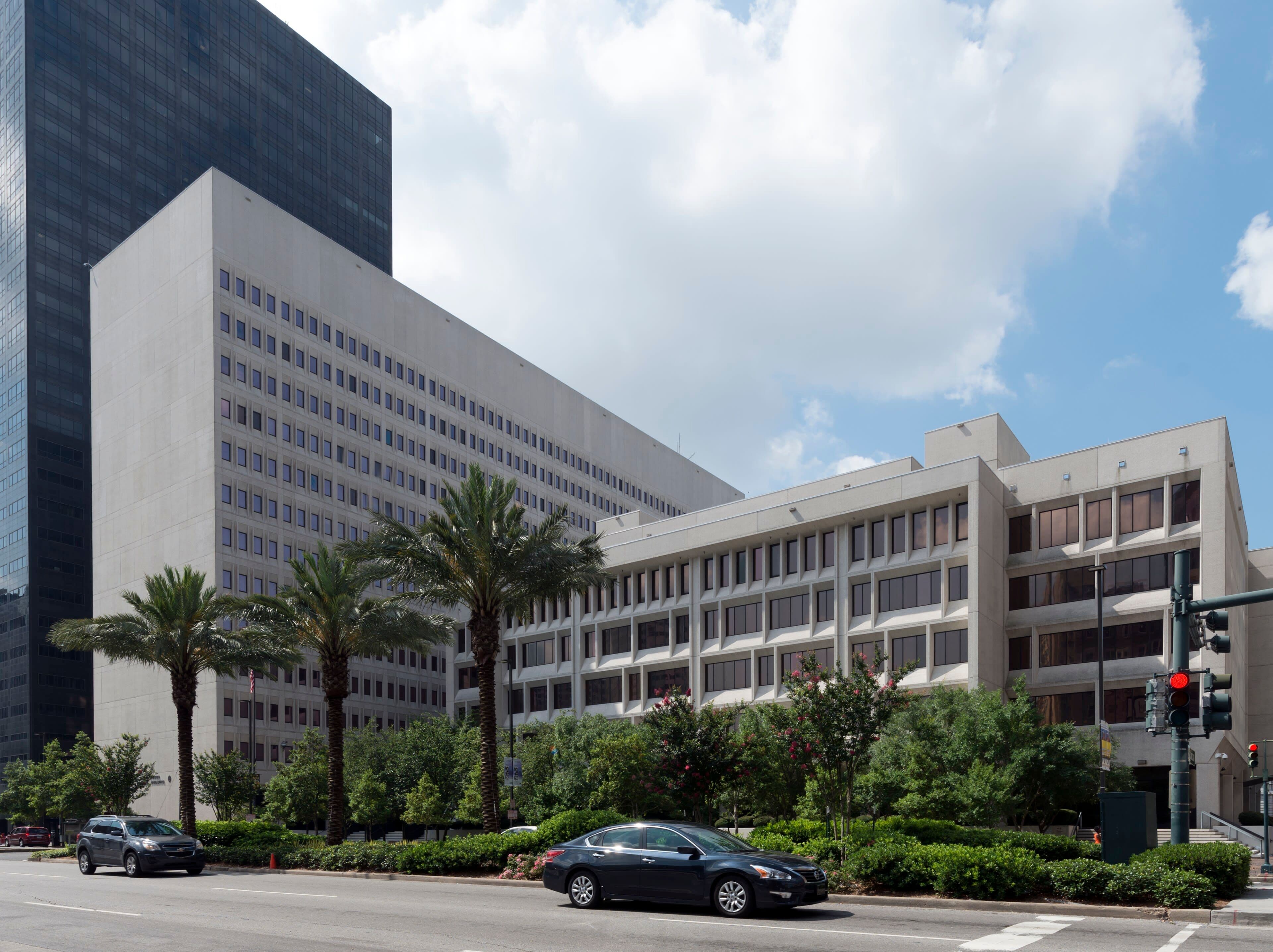
The United States and the Commodity Futures Trading Commission (CFTC) sued Louisiana in federal court in New Orleans on 13 November 2026, seeking to stop a state court order barring more than 30 entities from offering event contracts to people in the state. The federal suit followed the order by one day; no federal ruling had been entered by the morning of 16 November.
What the Louisiana order requires
Louisiana Attorney General Liz Murrill filed the state petition in the 21st Judicial District Court in Tangipahoa Parish on the morning of 12 November, under case number 2026-4268. Judge Jeffrey Johnson signed an ex parte temporary restraining order at 3:48 pm that day.
The order bars the named entities from operating, listing, clearing, settling or brokering event contracts for anyone in Louisiana without a state sports wagering licence and permit. It covers contracts related to sports, elections, awards events and other matters considered sports wagering. It also requires a geofence and prohibits claims to Louisiana customers that the products are lawful.
The petition names Kalshi, Polymarket US, Novig, ProphetX, ForecastEx, Rothera Exchange and Clearing and IG Group Holdings, along with entities in the Robinhood, Crypto.com, Coinbase, Underdog and Gemini groups. The judge required neither a bond nor notice to the companies, finding:
The companies “immediately received constructive notice of the Petition through media and other outlets”. — Judge Jeffrey Johnson
The order lasts 10 days unless extended, and a preliminary injunction hearing is scheduled for 30 November. The petition pleads four causes of action, including unfair trade practices and unjust enrichment, and seeks civil penalties. It states:
“The platforms' clever word play doesn't change the fact that gambling is illegal in Louisiana unless the Legislature specifically authorizes it and each parish votes in favor.” — Louisiana's petition
The state also alleges that Kalshi earned $263.5 million in fee revenue in 2025, including $234.6 million from sports. The petition's main request would bar the companies from operating in Louisiana altogether, rather than limiting the restriction to sports contracts.
The federal challenge
The federal complaint, United States v. State of Louisiana, is case number 2:26-cv-02612 and has been assigned to Judge Anna St. John. The United States and the CFTC seek a temporary restraining order and preliminary injunction against enforcement of the state order. Their case has one Supremacy Clause count.
The complaint argues that event contracts are swaps within the CFTC's exclusive jurisdiction and that federal law therefore pre-empts Louisiana's gaming law and its gambling-by-computer offence. It names Louisiana, Murrill and the Louisiana Gaming Control Board. The requested relief would prevent them from investigating CFTC-regulated entities and their affiliates and partners, and from enforcing or seeking to extend the state order.
The CFTC's supporting memorandum argues that Louisiana used the state court to bypass federal cases already pending: Kalshi's in the Western District and Polymarket US's in the Eastern District. It describes the state-court action as unprecedented. The complaint lists earlier CFTC actions against 10 states, most recently Utah. The Louisiana suit came a day after the CFTC sued Arkansas.
The CFTC argues that the state petition's requested ban would cover every swap the named companies list. On that reading, the federal government needs a court to accept that at least some of the contracts are swaps. The Sixth and Ninth Circuits have sided with states, while the Third Circuit ruled for Kalshi. The Fifth Circuit, which covers Louisiana, has not ruled.
Removal and the next hearings
Polymarket US removed the state case to federal court on 13 November. The removed case was assigned to Judge Nannette Jolivette Brown. On 14 November, Robinhood moved to vacate the temporary restraining order, while Rothera Exchange and Clearing moved to dissolve or modify it and requested an expedited hearing.
Kalshi and Polymarket US had sued Louisiana first, seeking a federal decision on pre-emption. According to the federal complaint, Kalshi sought its own temporary restraining order on 12 November, but the state court acted first.
Removal does not itself erase the state order. Under federal law, orders made before removal remain in force until the district court dissolves or modifies them. Unless extended, the Louisiana order lapses around 22 November; the CFTC wants the state barred from seeking an extension.
The CFTC's motion is set for submission on 17 November. Intervention motions by Underdog and by OG.com's North American Derivatives Exchange together with Crypto.com's Foris companies are set for 2 December. The state preliminary injunction hearing remains scheduled for 30 November.
Frequently Asked Questions
Why does the CFTC say Louisiana cannot enforce the order?
The CFTC argues that event contracts are swaps under its exclusive jurisdiction and that federal law pre-empts Louisiana's gaming restrictions. Its complaint contains one Supremacy Clause count and asks the court to block enforcement or extension of the order.
Which event contracts does the Louisiana order cover?
The order covers contracts related to sports, elections, awards events and other matters considered sports wagering. It bars the named entities from operating, listing, clearing, settling or brokering covered contracts for people in Louisiana without a state sports wagering licence and permit.
When will the courts next consider the Louisiana prediction market cases?
The CFTC's motion is set for submission on 17 November 2026. The state preliminary injunction hearing is scheduled for 30 November, and intervention motions are set for 2 December.
What have appellate courts said about event contract disputes?
The Sixth and Ninth Circuits have sided with states, while the Third Circuit ruled for Kalshi. The Fifth Circuit, which covers Louisiana, has not ruled.
Tags
About the author

Tessa Coleman
Betting Markets Correspondent
Tessa Coleman covers betting products and markets — sportsbook launches, odds and trading technology, and the fast-growing prediction-market space from regulated exchanges to event contracts. The stories lead with the product or the ruling, name the operators and platforms precisely, and translate trading jargon into what bettors can actually do. When a book reworks its pricing or a prediction market wins a license fight, Tessa Coleman explains the mechanics and the stakes.
More from Tessa Coleman