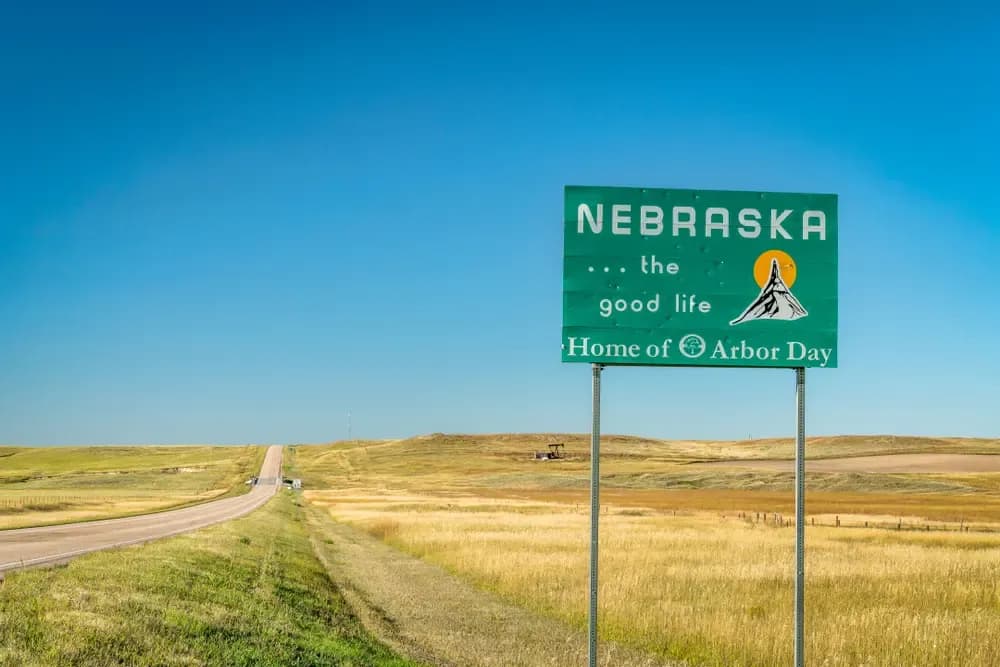
Nebraska campaign raises $21.675m as voters decide on online sports betting on Nov 3
Initiative 440 and 441 both must pass; proposal allows up to 12 mobile operators and a 20% tax.
Key Takeaways
- Supporters have raised $21.675 million in the election year ahead of the November 3 vote.
- Both Initiative 440 and Initiative 441 must pass to legalise statewide mobile sports betting in Nebraska.
- The proposal would allow up to 12 online sportsbook operators and apply a 20% gaming tax.
- Statutory rules would take effect 1 January 2027, with regulators required to adopt online-wagering rules by 1 June 2027.
Supporters of statewide online sports betting in Nebraska have raised $21.675 million during the election year, and voters will decide on November 3 whether to approve the measures that would permit mobile wagering. DraftKings, FanDuel and Fanatics supplied more than $7 million of the late contributions reported after September 29, while the ballot contains two separate measures that must both pass to legalise statewide mobile betting.
What the two ballot measures do
Initiative 440 would amend the Nebraska Constitution to allow laws authorising internet sports wagering. Initiative 441 would create the statutory regulatory framework for online sportsbooks. Both measures must pass for statewide mobile wagering to become lawful; if only one succeeds, statewide mobile betting would remain unauthorised.
The proposal limits the market to 12 online sportsbook operators. It ties market access to the six current or planned regulated gaming facilities in the state, with each facility able to partner with up to two mobile platforms. The measure would apply the existing 20% gaming tax to online gross gaming revenue and would keep the prohibition on wagering on Nebraska college teams when they play inside the state.
Who may enter and how slots are allocated
Each of the six brick-and-mortar gaming facilities may partner with two mobile platforms, creating capacity for 12 operators. National brands mentioned as likely applicants include FanDuel, DraftKings, Fanatics and BetMGM, all noted for their national footprints and for contributing to the campaign. Caesars was flagged as a potential entrant through Harrah’s Columbus, where it already operates a retail sportsbook. Other possible entrants named in reporting include bet365. None of these companies is a confirmed online licensee; the measure creates the opportunity rather than a guaranteed field of operators.
Campaign finance and recent spending
The advocacy committee Tax Relief Nebraska has driven much of the campaign activity. During the September 30–October 19 reporting period the committee spent $6.61 million, bringing its election-year expenditures to $15.8 million. Media placement and other promotions accounted for just over $5 million of that spending. The committee reported $1.74 million in cash on October 19 and then recorded four later contributions totalling $4.1 million, giving it additional resources for the final stretch.
Late contributions after September 29 included FanDuel providing $2.5 million on October 22 and $750,000 on October 23; DraftKings adding $750,000 on October 22 and earlier supplying $2.5 million on October 13; and Fanatics contributing $100,000 on October 26 and $425,000 on October 2. Those six payments total just over $7 million received after September 29. Over the election year FanDuel and DraftKings have each contributed nearly $10.3 million, Fanatics has supplied $600,000, and BetMGM previously provided $500,000.
Timing and regulatory deadlines
The statutory framework in Initiative 441 would take effect 1 January 2027, and regulators would be required to adopt online-wagering rules by 1 June 2027. Those dates could support a launch in 2027, but the measures do not guarantee an opening day; regulatory rulemaking and licensing timelines would determine when operators could go live. Nebraska already allows in-person sports betting at gaming facilities, and the ballot measures would permit customers to place wagers online while physically located inside the state with platform servers also operating in Nebraska.
For readers tracking the market, the immediate items to watch are the November 3 vote outcomes for Initiative 440 and Initiative 441 and subsequent rulemaking under the statutory framework if both measures pass. For background on retail gaming locations see the state's existing licensed venues and their relationships to potential platform partners. Online sportsbooks would be limited to the 12 operator slots the measures create.
Frequently Asked Questions
What do Initiatives 440 and 441 do in Nebraska?
Initiative 440 would amend the state constitution to permit laws authorising internet sports wagering, and Initiative 441 would establish the statutory regulatory framework for online sportsbooks. Both measures must pass for statewide mobile wagering to become lawful.
How many online sportsbooks would Nebraska allow if the measures pass?
The proposal creates capacity for up to 12 online sportsbook operators by permitting each of the six current or planned regulated gaming facilities to partner with up to two mobile platforms.
What taxes and restrictions would apply to online betting under the proposal?
Online gross gaming revenue would be subject to the existing 20% gaming tax, and the proposal would preserve the ban on wagering on Nebraska college teams when they play inside the state.
When could Nebraska online sportsbooks start operating if voters approve the measures?
The statutory framework would take effect on 1 January 2027, and regulators would need to adopt online-wagering rules by 1 June 2027, but the measures do not guarantee a specific launch date.
Tags
About the author

Tessa Coleman
Betting Markets Correspondent
Tessa Coleman covers betting products and markets — sportsbook launches, odds and trading technology, and the fast-growing prediction-market space from regulated exchanges to event contracts. The stories lead with the product or the ruling, name the operators and platforms precisely, and translate trading jargon into what bettors can actually do. When a book reworks its pricing or a prediction market wins a license fight, Tessa Coleman explains the mechanics and the stakes.
More from Tessa Coleman