The Payment Gap Behind the Rise of Gaming in the U.S.
The market attached to gaming in the U.S. is growing thanks to transactions designed for digital goods, not deposits.
Key Takeaways
- The market attached to gaming in the U.S. grew significantly in 2025.
- Coin sales and prize reimbursements are in the range of billions of dollars.
- American consumers are used to frequently purchasing digital goods.
The growth in the gaming market in the U.S. is found in the connected gaming economy, with contests and social casinos that do not accept legal wagers. In 2025, Eilers & Krejcik Gaming reported revenues of approximately $6.9 billion for these social contest casinos, an increase from $3.1 billion in 2022. Coin sales could reach between $11 billion and $14 billion, and prize reimbursements between $9 billion and $10 billion.
KPMG predicts a compound annual growth rate of 60% to 70% between 2020 and 2024. This purchasing behavior for digital goods does not seem likely to disappear. Americans frequently buy small packages of digital value.
A Different Transactional DNA
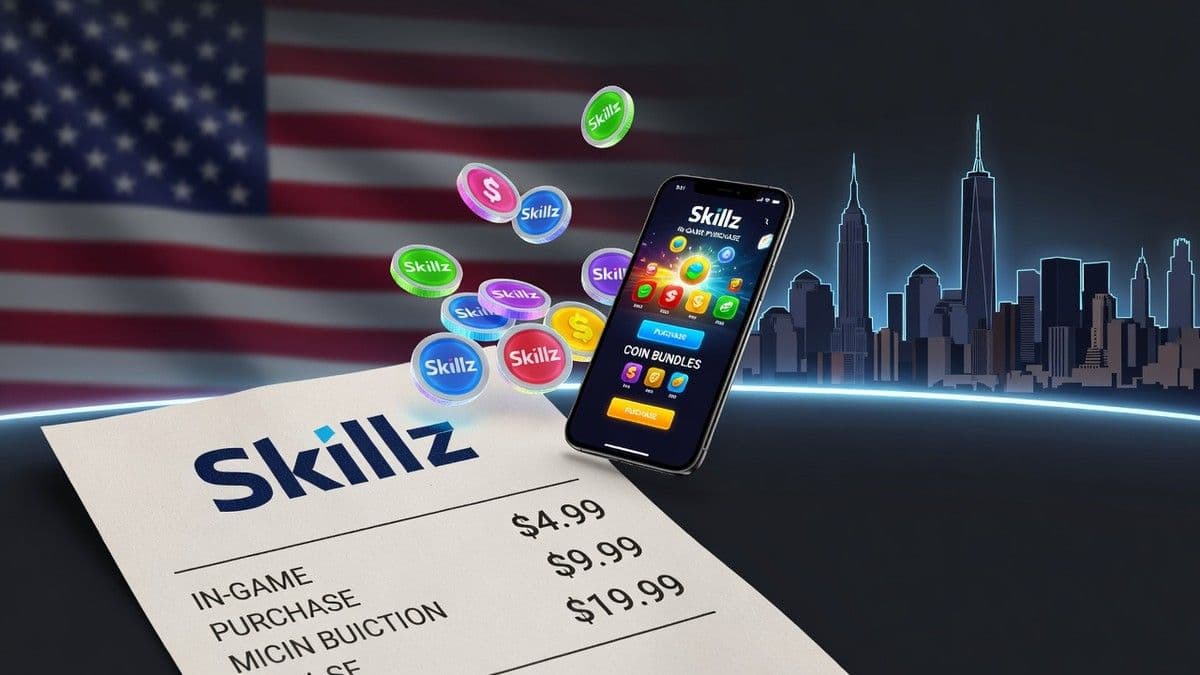
These companies operate differently from regulated casinos. While the latter rely on deposits, digital goods businesses operate with microtransactions of $4.99, $9.99, and $19.99. Consumers expect these transactions to be fulfilled instantly using Apple Pay, Google Pay, PayPal or Cash App.
Current infrastructures were not designed for this. Traditional e-commerce gateways were designed for shipping: a cart authorization. When used for digital goods, they become inefficient. Speed controls may alarm legitimate buyers. Additionally, a poorly managed token can impact the economies of each transaction.
Misplaced Risks
High-risk acquiring entities face another problem. Their business models were based on large deposits, with fixed fees that do not adapt to coin packages costing $2.99. Moreover, a refund model from the deposit era applied to these goods does not adequately consider current risks.
Expectations for immediate payments have changed with technologies like RTP and FedNow. Operators who still process batches of payments will feel their impact on retention. Bank transfer debits present time risks as they may arrive days after the goods have been delivered.
What Infrastructure is Required
Modern infrastructure should look less like a gateway and more like a routing system. Authorization decisions should be made per ticket and per issuer. Network tokenization should be properly implemented, and payments must be seen as a first-class product, not a secondary process.
Payment infrastructure tends to follow product innovation. We are seeing this today in the rise of gaming in the U.S., and this gap is closing. Operators who do this faster will be those who view payments as a strategic product.
Alexander Rea, founder and CEO of Fyntek, a payment orchestration platform for iGaming in the U.S., emphasizes that stopping treating payments as a mere connection is vital in a rapidly growing sector.
Frequently Asked Questions
Why did the attached gaming market in the U.S. grow so much?
The growth is due to the sale of digital goods in contests and social casinos that do not accept legal wagers.
How do microtransactions affect the gaming market?
Microtransactions of $4.99, $9.99, and $19.99 are common and expect immediate fulfillments, altering the current payment infrastructure.
What challenges do operators face with payments?
Operators need to upgrade their infrastructure to manage immediate payments and avoid losses in transaction economies.
Tags
About the author

Isabela Fuentes
Payments Correspondent
Isabela Fuentes covers payments and fintech in the gambling industry — processor and PSP deals, payment-method launches, crypto rails, and the compliance shifts that decide what players can pay with at the cashier. She opens with the deal or launch, names the companies and methods precisely, and translates the jargon into what operators and players gain or lose. From PIX and open banking to stablecoin settlement, Isabela Fuentes follows the money moving the sector.
More from Isabela Fuentes