ANJL tells Brazilian hearing ban on fixed-odds betting fuels illegal market
Association says provisional measures reversed gains in regulated market and cut sports funding.
Key Takeaways
- ANJL told a public hearing on 3 November 2026 that the fixed-odds betting ban drove players to unregulated operators.
- ANJL said more than 60% of activity was in the regulated market and 40% in the illegal market before the provisional measure.
- Economist Eric Universo Rodrigues Brasil estimated household gambling expenditure in 2025 at R$ 37 billion versus total household spending of about R$ 8 trillion.
- ENDR disbursed R$ 580 million between June and September 2026 to beneficiaries including the COB, CPB and the Brazilian Committee of Clubs.
- CBF warned it could lose R$ 420 million in revenue in 2027 because of the restrictions.
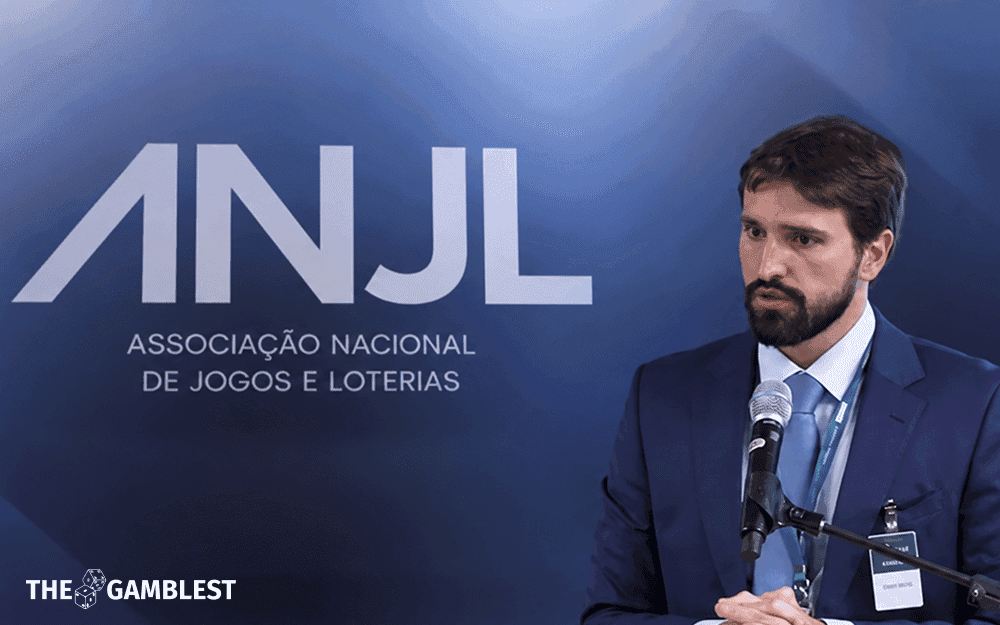
A ban on fixed-odds betting has driven Brazilian players toward unregulated operators, the National Association of Games and Lotteries (ANJL) told a public hearing on 3 November 2026. ANJL argued the provisional measure reversed progress in Brazil's regulated market and reduced funding streams for sport and civil-society beneficiaries.
ANJL: prohibition undermines regulation
ANJL's legal consultant Pietro Cardia said past prohibition efforts had failed and regulation was the effective consumer-protection tool. Cardia told the hearing chaired by Justice Luiz Fux that Brazil's institutional history showed attempts at prohibition spanning more than 20 years produced no valid effects. He added that in 2026 gambling activity had slowed, which ANJL used to argue that regulation was already delivering results. The association said more than 60% of activity was in the regulated market and only 40% in the illegal market before the provisional measure.
ANJL legal consultant Bernardo Freire said the provisional measure had reversed that progress by pushing demand to unlicensed websites rather than eliminating it. He said:
"The hasty ban, implemented in a way that disregarded previously granted authorizations, has already backfired. In 30 days, we can easily identify this, demonstrating how readily available an illegal website is." — Bernardo Freire, ANJL legal consultant
Economic freedom group and expenditure figures
The Brazilian Association for Economic Freedom (Able) disputed links drawn between gambling and household debt. Economist Eric Universo Rodrigues Brasil said official data did not support gambling as a major cause of financial difficulty. He estimated household gambling expenditure in 2025 at R$ 37 billion, while total household expenditure was about R$ 8 trillion.
He compared gambling outlays with other household spending: R$ 696.8 billion on interest payments, R$ 152.1 billion on mobile phones and accessories, and R$ 69.7 billion on streaming services.
Sports sector warns of funding gap
Representatives of Brazilian sports organisations told the hearing the restrictions threatened sponsorship and investment. Igor Mauler Santiago of the Brazilian Football Confederation (CBF) said CBF could lose R$ 420 million in revenue in 2027. Pedro Henrique Rebello de Mendonça, representing the Brazilian Olympic Committee (COB), said investment decisions made today support the 2028 Los Angeles Olympics and future cycles.
Lawyer João Paulo Bachur highlighted the role of the National Allocation Office (ENDR), a non-profit created to distribute finance to sports and civil-society entities. Bachur said nearly 50% of licensed betting operators participate in the ENDR and reported that ENDR disbursed R$ 580 million between June and September 2026 to beneficiaries including the COB, CPB and the Brazilian Committee of Clubs. He warned that stopping that funding would remove a stable revenue source for sports, clubs and athletes.
Hearing composition and emphasis
The public hearing chaired by Justice Luiz Fux brought together betting industry representatives and economic organisations to discuss outcomes of Brazil's provisional measures. Participants emphasised increased prospects of illegal gambling development and decreased funding for sports and other beneficiaries.
Frequently Asked Questions
What did ANJL tell the 3 November 2026 hearing about the betting ban?
ANJL said the provisional ban on fixed-odds betting pushed players towards unregulated operators and reversed progress in the regulated market. The association reported that prior to the measure more than 60% of activity was in the regulated market and 40% in the illegal market, and argued the ban disregarded previously granted authorisations.
How much did households spend on gambling in Brazil in 2025?
Household gambling expenditure in 2025 was estimated at R$ 37 billion. Economist Eric Universo Rodrigues Brasil provided that figure while noting total household expenditure was about R$ 8 trillion.
What funding did ENDR provide in mid‑2026 and who benefited?
The National Allocation Office (ENDR) disbursed R$ 580 million between June and September 2026. João Paulo Bachur said beneficiaries included the Brazilian Olympic Committee (COB), the Brazilian Paralympic Committee (CPB) and the Brazilian Committee of Clubs.
What revenue loss did the Brazilian Football Confederation warn of?
The Brazilian Football Confederation (CBF) warned it could lose R$ 420 million in revenue in 2027. Igor Mauler Santiago delivered that estimate during the hearing.
Tags
About the author

Eleanor Whitfield
Regulatory Affairs Correspondent
Eleanor Whitfield tracks gambling legislation, licensing decisions, and regulator enforcement across key markets — from the UKGC, MGA, and Germany's GGL to Spain's DGOJ and the state-by-state map in the Americas. The reporting answers three questions precisely: what changed, where, and who it affects, with jurisdictions, effective dates, and penalty figures named exactly as published. Compliance officers and operators read Eleanor Whitfield to know which rulebook moved before their next board meeting.
More from Eleanor Whitfield