Australia to Ban Celebrities and Influencers from Gambling Ads in 2027
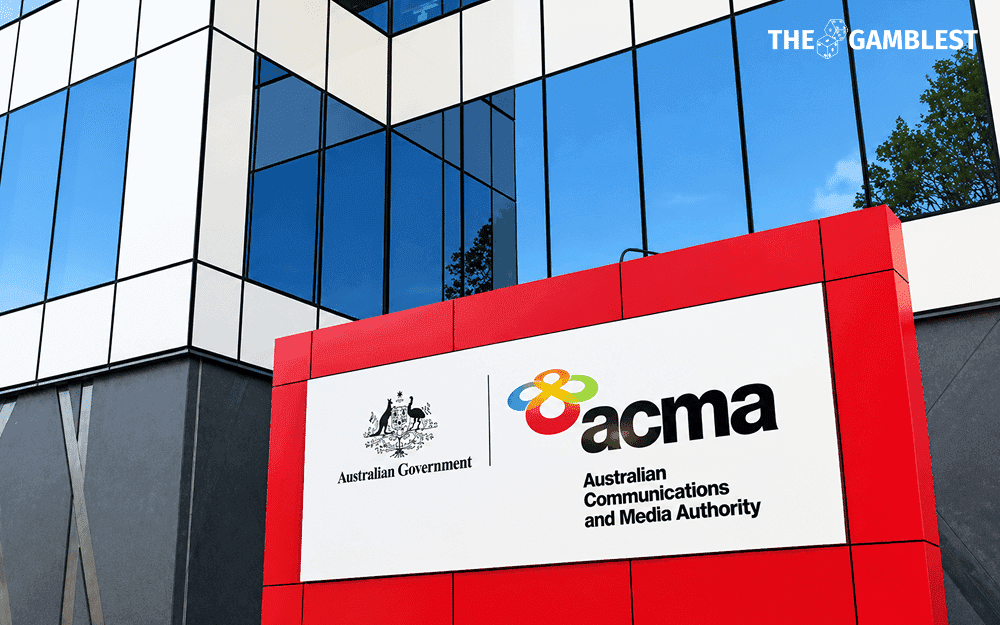
ACMA's rule follows the Interactive Gambling Amendment Bill passed by Parliament in August 2026.
Key Takeaways
- The Australian Communications and Media Authority will ban celebrities and influencers from gambling promotion from 1 January 2027.
- The measure was introduced in the Interactive Gambling Amendment (Gambling Reform) Bill 2026, passed in August 2026.
- Licensed operators must monitor campaigns and take "all reasonably available steps" to remove non-compliant content.
- A limited exception covers racing ads that are solely focused on racing and appear through a dedicated racing programme, channel or online content service.
The Australian Communications and Media Authority will ban celebrities, professional athletes and social media influencers from appearing in gambling promotion from 1 January 2027. The restriction was introduced through the Interactive Gambling Amendment (Gambling Reform) Bill 2026, which Parliament passed in August 2026, and forms part of a broader package of wagering advertising restrictions due to start in 2027.
Scope of the new rule
The regulations apply to advertising on television, radio, news websites, online games and social media platforms. Licensed operators will be prevented from entering into contracts with "notable persons" for the promotion of gambling. ACMA defines a notable person to include present and past professional athletes, celebrities, social media influencers and other well-known personalities.
Operator obligations and compliance
Operators are responsible for ensuring adverts comply and must monitor campaigns because a person's status can change while a contract is active. If someone becomes notable during a campaign, the operator may need to withdraw the relevant advertisements. ACMA expects licensees to take "all reasonably available steps" to prevent or remove non-compliant content and requires that third-party advertising and creative agencies understand the requirements.
How ACMA will assess who is notable
ACMA reserves the right to examine specific cases using factors such as public acknowledgement, media coverage, accomplishments in different spheres and whether the person can influence people’s outlook and decisions in their personal life.
Limited racing exception
A limited exception permits advertising focused solely or principally on racing when it appears through a dedicated racing programme, channel or online content service, provided both the racing focus and the dedicated distribution channel meet the criteria.
The Interactive Gambling Amendment (Gambling Reform) Bill 2026 places the notable-person ban alongside other wagering ad limits scheduled to begin in 2027. For regulatory context see regulation.
Frequently Asked Questions
When does the ban on celebrities and influencers in gambling ads take effect in Australia?
The ban takes effect on 1 January 2027. It derives from the Interactive Gambling Amendment (Gambling Reform) Bill 2026, which Parliament passed in August 2026.
Who counts as a "notable person" under the new ACMA rules?
A notable person includes present and past professional athletes, celebrities, social media influencers and other well-known personalities. ACMA will assess individual cases using factors such as public acknowledgement, media coverage and accomplishments.
What must licensed operators do to comply with the new restrictions?
Licensed operators must monitor advertising campaigns, ensure third-party advertising and creative agencies understand the rules, and take "all reasonably available steps" to prevent or remove non-compliant content if a person's status changes during a campaign.
Tags
About the author

Eleanor Whitfield
Regulatory Affairs Correspondent
Eleanor Whitfield tracks gambling legislation, licensing decisions, and regulator enforcement across key markets — from the UKGC, MGA, and Germany's GGL to Spain's DGOJ and the state-by-state map in the Americas. The reporting answers three questions precisely: what changed, where, and who it affects, with jurisdictions, effective dates, and penalty figures named exactly as published. Compliance officers and operators read Eleanor Whitfield to know which rulebook moved before their next board meeting.
More from Eleanor Whitfield