Ohio moves to enforce ban on sports-related prediction market contracts
Governor DeWine says platforms offering sports event contracts must meet state gambling rules
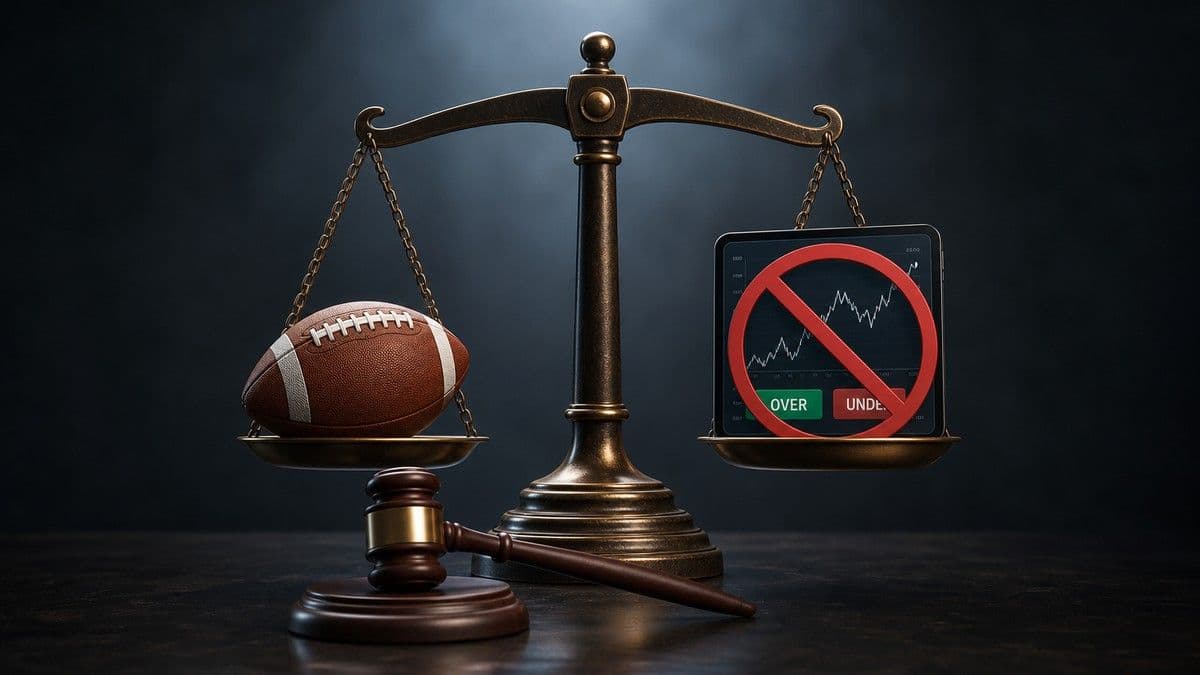
Key Takeaways
- Governor Mike DeWine said Ohio will pursue further enforcement against prediction market operators offering sports-related contracts.
- The Ohio Casino Control Commission has issued cease-and-desist notices to Kalshi, Polymarket and Robinhood.
- An Ohio federal court ruled Kalshi must comply with state law; Kalshi has challenged that decision on CFTC preemption grounds.
- The court held that the Commodity Exchange Act would not prevent Ohio from enforcing its gambling laws against Kalshi.
Ohio will escalate enforcement against prediction market operators offering sports-related contracts, Governor Mike DeWine said on 20 October 2026. The Ohio Casino Control Commission has already issued cease-and-desist notices to Kalshi, Polymarket and Robinhood, and state officials argue those platforms are operating outside rules that apply to licensed sportsbooks.
What Ohio is enforcing
Officials cite Ohio's 2005 prohibition on certain sports bets, including wagers on specific plays within a game, and contend that those restrictions "may also apply to event contracts regardless of how platforms classify their products." The governor questioned why prediction market platforms should be allowed to offer sports-related wagers without meeting the same licensing and regulatory requirements as traditional betting operators.
The Ohio Casino Control Commission has taken direct action by issuing cease-and-desist notices to Kalshi, Polymarket and Robinhood. State authorities have criticised prediction market advertising during sporting events, saying companies are using a different regulatory framework to avoid state oversight.
Court ruling and federal preemption argument
An Ohio federal court recently ruled that Kalshi must comply with state law. Kalshi has challenged that decision, arguing its contracts are swaps regulated exclusively by the Commodity Futures Trading Commission and therefore beyond state gambling statutes. The court concluded that even if Kalshi's contracts were swaps, the Commodity Exchange Act would not prevent Ohio from enforcing its gambling laws against the company.
Regulatory fallout
Last September the Ohio Casino Control Commission ended its relationship with the National Council on Problem Gambling after Kalshi joined the body. The commission's actions and the federal court ruling set up parallel legal and regulatory questions about how state gambling bans interact with platforms that characterise products as financial instruments.
For coverage of regulatory developments affecting markets and operators see regulation.
Frequently Asked Questions
What action has Ohio taken against prediction market platforms?
Ohio has issued cease-and-desist notices to Kalshi, Polymarket and Robinhood through the Ohio Casino Control Commission and signalled plans to escalate enforcement, as stated by Governor Mike DeWine on 20 October 2026.
Why does Ohio say these platforms violate state law?
Officials point to Ohio's 2005 ban on certain sports bets, including wagers on specific plays, and argue those restrictions may apply to event contracts regardless of how platforms classify them.
What did the federal court decide about Kalshi?
An Ohio federal court ruled that Kalshi must comply with state law and found that even if Kalshi's contracts were swaps regulated by the Commodity Futures Trading Commission, the Commodity Exchange Act would not preempt Ohio's enforcement of its gambling laws.
Tags
About the author

Tessa Coleman
Betting Markets Correspondent
Tessa Coleman covers betting products and markets — sportsbook launches, odds and trading technology, and the fast-growing prediction-market space from regulated exchanges to event contracts. The stories lead with the product or the ruling, name the operators and platforms precisely, and translate trading jargon into what bettors can actually do. When a book reworks its pricing or a prediction market wins a license fight, Tessa Coleman explains the mechanics and the stakes.
More from Tessa Coleman