Black Market Gambling Sites Use Social Media to Bypass UK Regulations
Unlicensed operators exploit social channels to target UK consumers, as industry criticism mounts over enforcement and calls for tighter cooperation between platforms and regulators.
Key Takeaways
- Unlicensed gambling operators are increasingly targeting UK consumers via social media and digital channels.
- Illegal operators outspent regulated brands on advertising in the 2025-26 financial year, with £844.7m spent and further growth forecast.
- Affiliates and high-profile social media accounts are helping drive black market reach, often blurring lines between licensed and unlicensed promotions.
- Tech platforms cite enforcement efforts, but loopholes and fast adaptation allow illegal ads to persist.
- Industry stakeholders warn that stricter advertising bans could worsen black market growth rather than curb it.
Unlicensed gambling operators are leveraging social media to reach UK consumers despite regulatory controls, outspending licensed competitors on digital advertising and bypassing key compliance measures. Industry leaders report that this ongoing proliferation is not only challenging the market share of regulated firms but is also undermining consumer protection frameworks set by the Gambling Commission.
Spread of Black Market Gambling via Social Media
Incidents such as an Instagram ad for 'Bellingham Bet'—which falsely featured Real Madrid's Jude Bellingham and a fabricated BBC article—typify the scale of the problem. Bellingham himself was not involved, nor was the operator licensed by the UK Gambling Commission (GC). Similar tactics have misused the images of celebrities including Erling Haaland, Lewis Hamilton, and Tyson Fury. Even brands like Tesco have reported unauthorised use of their branding to police authorities after being linked with unlicensed casino ads on Facebook and Instagram.
Online casino Rainbet, licensed in Anjouan rather than the UK, is a case in point: its promotional content on Instagram's “Explore” section attracted 427,000 views, and was distributed from the 'vexbolts' account, which claims 400,000 followers. Such promotional posts are widespread across social networks.
Digital Advertising Spend and Black Market Growth
A report from WARC, commissioned by the Betting and Gaming Council (BGC), found unregulated gambling operators spent £844.7m on advertising in the 2025-26 fiscal year. WARC forecasts this figure will hit £934m in the next two years, with much of the growth attributed to social channels. Data from H2 Gambling Capital indicates that UK bettors wagered £16.6bn with illegal sites in 2025—a figure more than triple that of 2019.
This proliferation is aided by affiliates who promote both regulated and unlicensed operators. As Anthony Kaminskas, founder of AK Bets, noted on his podcast:
“Affiliates with large UK contracts aren’t averse to double-dipping, working with big legal brands and also operating beyond the licensed market.” — Anthony Kaminskas, AK Bets
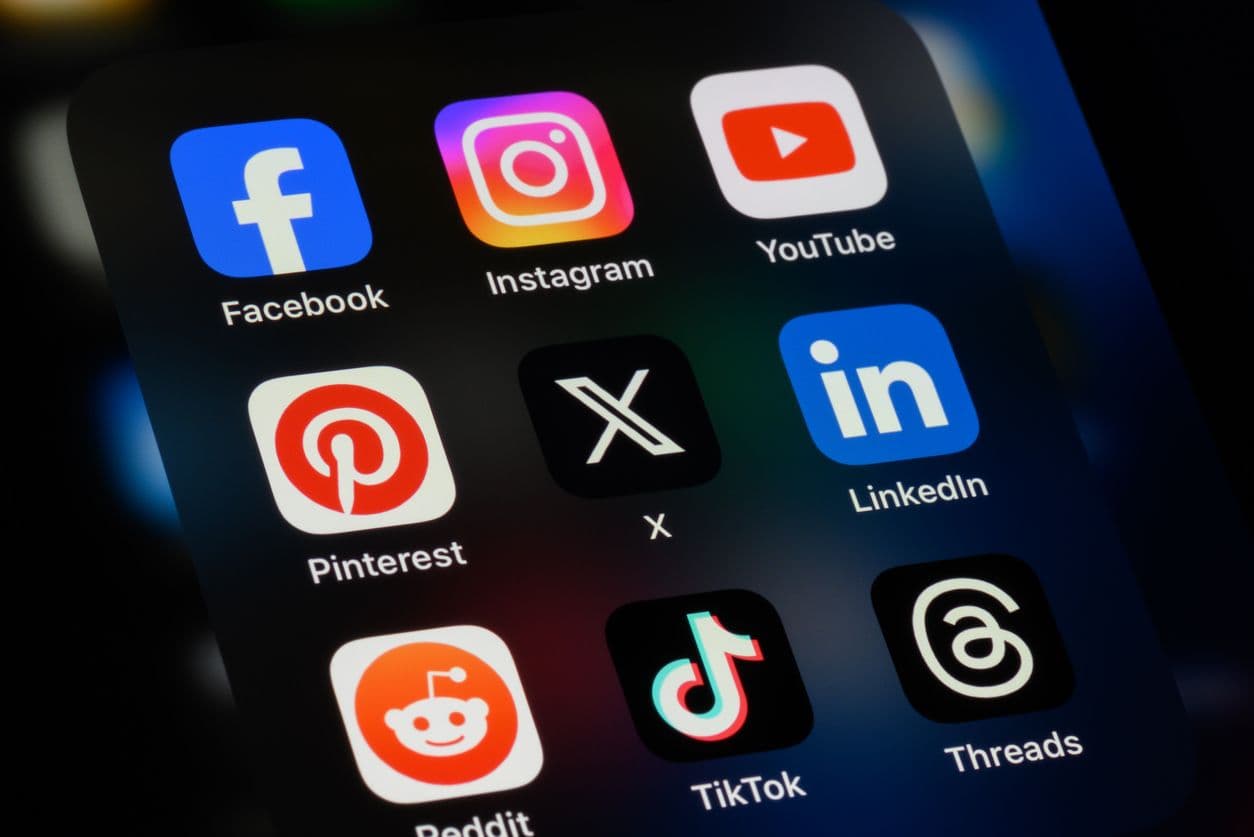
A prominent example is the 'Boring Milner' X (Twitter) account, which, with nearly 580,000 followers, openly promotes Rainbet. Entain’s OSINT research identified over 30 unlicensed gambling brands marketing actively across X, Instagram, YouTube, TikTok, Facebook, Twitch, and Kick.
Technology Loopholes and Enforcement Challenges
Industry opinion suggests that while TV ads for illegal gambling can be policed, controlling online and social media marketing is far more complex. Ben Reilly, Chief Commercial Officer at Flutter UK&I, highlights the disparity:
“Regulated sites are bound by stake limits, KYC, advertising codes, and age gating; illegal operators, in contrast, face few restrictions and actively advertise this difference.” — Ben Reilly, Flutter UK&I
Chris Reiff, CMO at Spiral Interactive, argues that much of the black market’s online promotion is “blatant”, running from newly created accounts at high volume. Cloaking and similar techniques help illegal operators evade detection in search engines, while social channels remain more easily exploited.
WARC attributes 37.1% of black market ad spend—about £703m—to organic search. Google claims to have removed over 270 million gambling-related ads globally in 2025 but acknowledges that identifying illegal content in organic results is still problematic.
Meta has outlined that gambling promotions are restricted to authorised advertisers, with marketing materials prohibited from targeting under-18s and facial recognition tech now in play to curb misuse of public figures’ likenesses. Still, many illegal ads evade these controls due to rapid adaptation and volume.
Social Media Platforms: Responsibility and Industry Pressure
The BGC’s June-released five-point plan assigns greater responsibility to social media operators to remove illegal gambling content, arguing this is essential for protecting consumers and minors. While platforms highlight their enforcement systems—combining automated detection with human review—industry critics claim commercial incentives may limit the rigor of these efforts.
Chris Reiff points out that for truly determined operators, measures imposed by social networks can be circumvented rapidly: “Shut down one account or domain, and they will return with twenty more.”
Flutter’s Reilly calls for a more assertive approach: “The buck stops with the social media platforms. They have to choose to act—operators can supply evidence, but we’re not the source of the problem.”
Regulatory and Legislative Actions
The Department for Culture, Media and Sport formed a taskforce in January to tackle illegal gambling ads and allocated an additional £26m to the Gambling Commission to combat unlicensed operators. The Commission is also recruiting a Head of Illegal Markets. However, industry stakeholders warn that a blanket ban on all gambling advertising, as discussed in the House of Lords, could strengthen the black market.
BGC CEO Grainne Hurst argues: “The right to advertise demarcates legal operators from illegal competitors.” She cites the examples of Italy and the Netherlands, where advertising bans or restrictions have coincided with persistent illegal gambling activity.
Reilly stresses advertising is only a facet of a much larger issue that includes links to organised crime and recommends empowering the Gambling Commission with new tools to block illegal sites and apps. Collaboration between regulators and platforms is viewed as necessary, but there is skepticism about efficacy unless stronger accountability and policy reforms are enacted. Reiff suggests regulators must hold online platforms to stricter standards, closing exploited loopholes.
What Comes Next for the Sector?
There is little enthusiasm for an entirely new regulatory body, with Reilly noting that the combined oversight from the GC, Advertising Standards Authority, Financial Conduct Authority, Ofcom, and DCMS is sufficient—provided a shift in mindset and willingness to enforce existing rules prevails. Progress hinges on greater alignment and urgency across tech companies and official regulators.
For operators and compliance vendors, this means monitoring social channels more closely, foregrounding customer safety, and working collectively to deny the black market easy access to digital audiences. The risk is clear: the longer platforms and authorities take to act, the more entrenched black market operators become in the UK’s online gambling landscape.
Frequently Asked Questions
How much are black market gambling operators spending on advertising?
Unlicensed operators spent £844.7m in the 2025-26 year, with forecasts by WARC estimating this total will reach £934m within two years as social media campaigns escalate.
Which channels are most exploited for illegal gambling advertising?
Social media platforms like Instagram, X (Twitter), TikTok, Facebook, Twitch, and Kick are heavily exploited, with organic search also accounting for £703m in black market ad spend according to WARC.
How are major brands and celebrities being misused in black market casino ads?
Operators falsely use celebrity imagery and brand logos, such as Jude Bellingham and Tesco, without permission to lend credibility to ads and drive app downloads, even fabricating news articles.
What actions are regulators and the UK government taking?
Measures include a cross-industry taskforce, an increased £26m budget for the Gambling Commission, and recruitment for a Head of Illegal Markets, although stakeholders question if this is enough.
Why is a blanket advertising ban seen as risky by industry leaders?
Stakeholders argue bans may drive more traffic to black market sites, as seen in Italy and the Netherlands, reducing the visible distinction between licensed and illegal operators.
Tags
About the author

Oliver Grant
Industry Technology Correspondent
Oliver Grant covers the technology and business machinery of iGaming — platform and data deals, AI and compliance tooling, affiliate and marketing shifts, and the quarterly numbers behind them. The reports lead with the announcement, name the vendors and figures exactly as published, and separate genuine capability from press-release promise. When a supplier ships a new engine or a regulator tightens ad rules, Oliver Grant explains what actually changes for the companies involved.
More from Oliver Grant