Bolsonaro Challenges Election Result After Lula’s October 25 Victory
Flávio Bolsonaro will contest the result over a Supreme Court decision that extended voting hours.
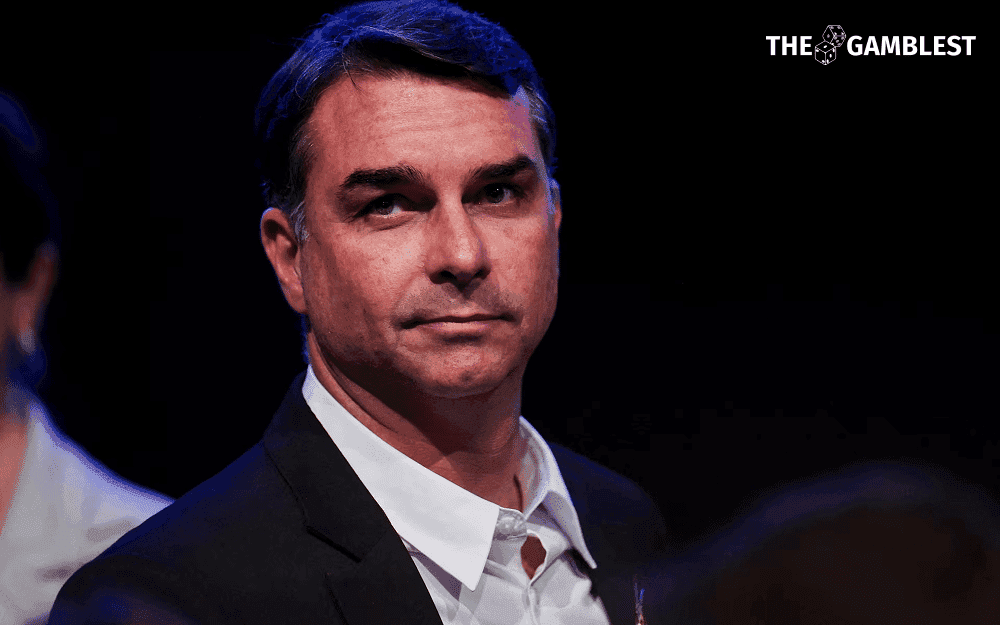
Key Takeaways
- Flávio Bolsonaro said he will challenge the October 25 election result and has engaged a legal team.
- Luiz Inácio Lula da Silva won the second round with approximately 51.8% of the vote to Bolsonaro's 48.2%.
- The legal challenge targets a Supreme Court decision by Justice Cristiano Zanin to extend voting hours by two hours.
- Financial markets reacted unfavourably to the result amid investor concern over Lula's economic policies.
- Political uncertainty could complicate the creation of a consistent regulatory framework for the gambling sector.
Flávio Bolsonaro announced plans to challenge the October 25 presidential election result in court, saying he has engaged a legal team to contest the outcome that gave Luiz Inácio Lula da Silva a fourth, non-consecutive term. Lula won the second round with approximately 51.8% of the vote against Bolsonaro’s 48.2%, according to the Brazilian electoral board.
Grounds for the legal challenge
The dispute centres on a Supreme Court decision by Justice Cristiano Zanin to extend voting hours by two hours after reports of voter transportation and access problems. Flávio Bolsonaro said he disputes that extension and argued it adversely influenced the election. His campaign had previously filed a request to extend voting hours in several municipalities.
Reuters reported that analysts see significant obstacles to overturning the result, particularly given how far Lula is ahead. The Brazilian electoral board announced that Lula won the second round and declared his victory.
Political and market reaction
Speaking to supporters in São Paulo after the result, Lula said Brazilian society is divided and that he would be there for all citizens. Financial markets reacted unfavourably to the outcome, reflecting investor concern about Brazil's fiscal outlook and the economic policies of the incoming Lula administration.
Implications for regulation and gambling
The legal challenge has increased political uncertainty at a time when Brazil faces economic and regulatory pressures. The likely strengthened opposition in Congress could make it harder to pass new laws and create a consistent regulatory framework. The gambling sector faces particular uncertainty about the future of betting regulation for operators and investors; the legal dispute over the election may not directly determine gambling policy, but the broader political situation could affect regulatory outcomes. Regulatory framework and industry policy discussions will be watched closely as the dispute proceeds.
"He would engage his legal team to contest the electoral outcome," Flávio Bolsonaro said, announcing the challenge.
Reuters coverage is cited for analyst commentary and context on the legal hurdles ahead.
Frequently Asked Questions
Who is challenging Brazil's October 25 election result?
Flávio Bolsonaro is challenging the October 25 result and has engaged a legal team to contest the outcome that declared Luiz Inácio Lula da Silva the winner.
What vote totals did Lula and Bolsonaro receive in the second round?
Luiz Inácio Lula da Silva received approximately 51.8% of the vote while Jair Bolsonaro received 48.2%, as announced by the Brazilian electoral board.
What is the main legal basis for the challenge?
The challenge focuses on a Supreme Court decision by Justice Cristiano Zanin that extended voting hours by two hours following reported transportation and access problems to polling stations.
How did markets react to the election result?
Financial markets reacted unfavourably to the outcome, reflecting investor concerns about Brazil's fiscal trajectory and the economic policies of the incoming Lula administration.
Tags
About the author

Marcus Webb
Industry Deals Correspondent
Marcus Webb covers the deal flow of the gambling industry — operator strategy, M&A, market entries, and product launches from sportsbook rebrands to full platform migrations. The reports name the companies, valuations, and jurisdictions exactly as disclosed and separate the announcement from its market impact. When a group consolidates a brand or a challenger launches into a new state, Marcus Webb explains who gains, who pays, and what closes next quarter.
More from Marcus Webb