Apple to Align Data Use Rules Across iOS Apps
Apple will standardize its data-use policies for apps on iOS devices following a ruling by the Bundeskartellamt, Germany's competition watchdog.
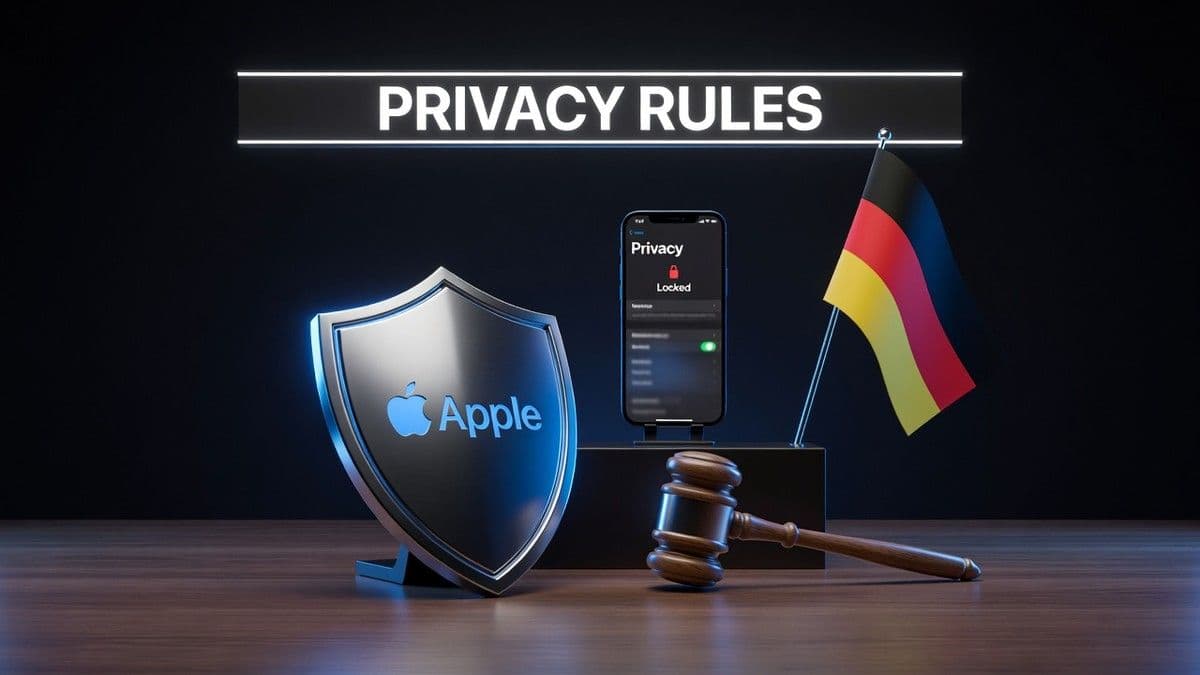
Apple has agreed to modify the rules governing data use for personalized advertising in apps on its iOS devices, following a regulatory intervention by the Bundeskartellamt. The decision requires Apple to adjust how it handles its App Tracking Transparency Framework (ATTF) for both its services and third-party apps, a measure that aims to rectify competitive imbalances.
Changes to App Tracking Transparency Framework
The ATTF initially required third-party apps on Apple devices to obtain user consent through a specific Apple-controlled prompt before accessing data for personalized advertising. Apple’s own apps, however, utilized a different process, sparking concerns from the Bundeskartellamt over potential advantages Apple enjoyed in its ecosystem. Andreas Mundt, the president of the Bundeskartellamt, pointed out that effective protection of personal data is essential. "Apple's actions must not favor its own services over those of its competitors," he commented.
Impact on App Publishers and Advertisers
The changes mean that third-party apps will now face a more level playing field. The user prompts for these apps will be more closely aligned in appearance and functionality with those used by Apple's services. This includes the elimination of potentially deterring symbols and language from Apple's prompts for third parties, creating a neutral user experience. App publishers, particularly those reliant on advertising revenue, stand to benefit from a system where they can now better explain the importance of personalized ads to users.
Financial Implications
Advertisers and publishers have long argued that Apple's system placed additional burdens on them, especially since varying the prompt could influence users' consent decisions. Apple's adjustments are intended to simplify these consent requests, making them more transparent. The Bundeskartellamt estimated that failing to harmonize these processes could limit third-party revenue potential.
Legal and Regulatory Context
The Bundeskartellamt’s decision falls under section 19a of the German Competition Act (GWB) and Article 102 of the Treaty on the Functioning of the European Union (TFEU). This legal framework permits increased oversight of major digital platforms like Apple, which have significant market power. The Bundeskartellamt determined Apple's preeminent market status back in April 2023, a decision upheld by the Federal Court of Justice in March 2025.
European Regulatory Collaboration
Throughout this process, the Bundeskartellamt collaborated with other European competition authorities to ensure consistent application of EU competition laws. Previously, both the French and Italian competition authorities imposed fines on Apple for similar practices, totaling €150 million and €98.6 million, respectively. This cooperation through the European Competition Network (ECN) illustrates the broader European interest in ensuring fair digital markets.
Compliance and Monitoring
Apple is now required to implement these changes within four months of the official decision, with full changes monitored by a trustee over a period of seven years. App publishers will be involved in testing these changes before they are fully deployed. Additionally, the decision ensures that user autonomy in consenting to data use for personalized advertising is respected.
The Bundeskartellamt’s judgment underscores its focus on ensuring competitive neutrality and safeguarding personal data, aspects critical for both app developers and users in an evolving digital landscape.
Tags
About the author

Eleanor Whitfield
Regulatory Affairs Correspondent
Eleanor Whitfield tracks gambling legislation, licensing decisions, and regulator enforcement across key markets — from the UKGC, MGA, and Germany's GGL to Spain's DGOJ and the state-by-state map in the Americas. The reporting answers three questions precisely: what changed, where, and who it affects, with jurisdictions, effective dates, and penalty figures named exactly as published. Compliance officers and operators read Eleanor Whitfield to know which rulebook moved before their next board meeting.
More from Eleanor Whitfield