Illegal Operators' Advertising on Social Media Under Pressure in the UK
The rise of advertising from unlicensed casinos and betting houses on social media alarms the sector, as tech platforms and regulators face challenges to curb it.
Key Takeaways
- The growth of illegal operators' advertising on social media is displacing regulated operators in the UK.
- Spending on advertising by the illegal market exceeded £844 million in 2025-26, according to WARC.
- Platforms like Meta and Google acknowledge technical and legal challenges in curbing the phenomenon.
- Regulators and the sector agree that collaboration and increased pressure on platforms are key.
- A total ban on advertising could strengthen the illegal market, according to international experience.
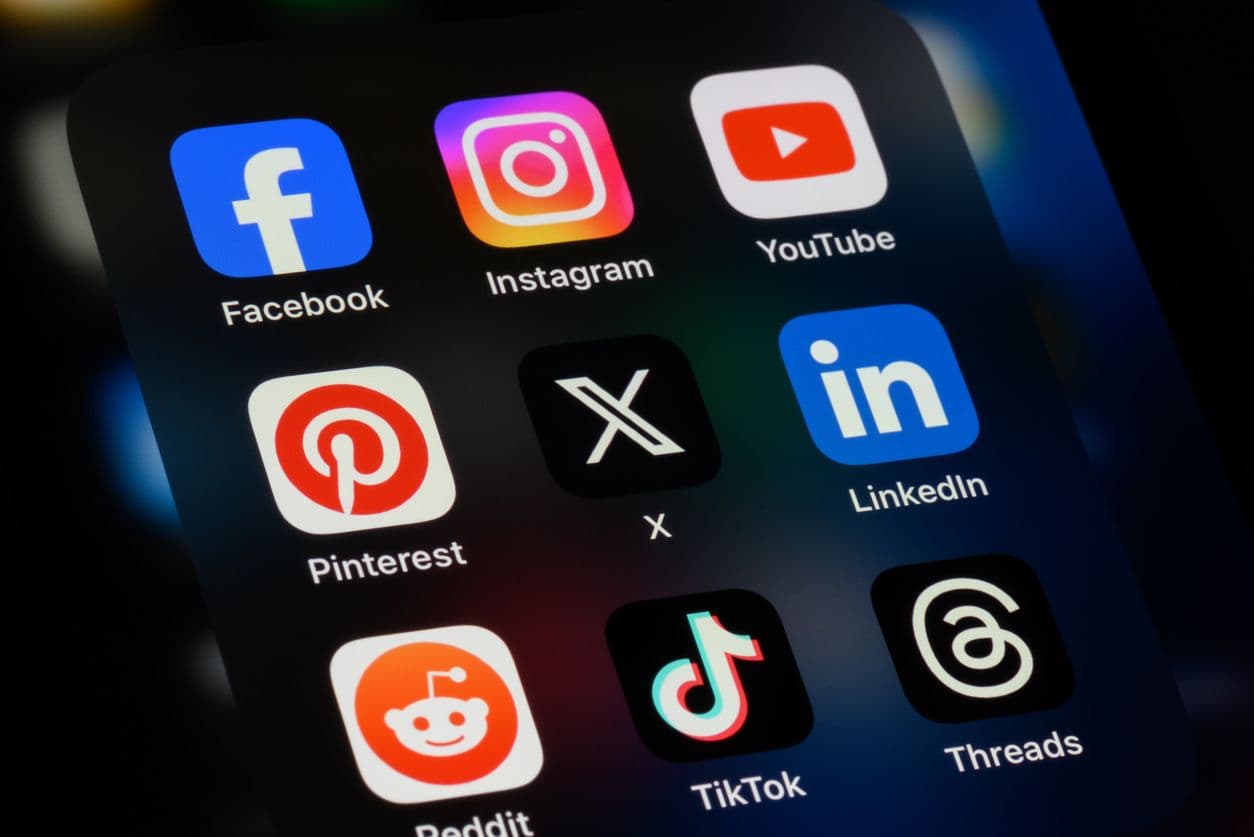
The proliferation of advertising from unlicensed gaming operators on social media represents a growing threat to the regulated market in the United Kingdom. Technology companies like Meta and Google face challenges in controlling the appearance of illicit content, while legal operators see a decline in their market share in favor of casinos and betting that evade the oversight of the Gambling Commission.
Expansion of Illegal Operators Through Social Media
During the summer of the World Cup, an advertisement for the supposed online casino 'Bellingham Bet' appeared on Instagram, using the image of footballer Jude Bellingham and a fake BBC article, linking to a betting app. Bellingham had no connection to the operator, which also lacked a license from the Gambling Commission. This is not an isolated case: figures like Erling Haaland, Lewis Hamilton, and Tyson Fury have seen their images used in fraudulent advertisements, and companies like Tesco have reported the use of their brand by illegal operators to promote unlicensed casinos on Facebook and Instagram.
A recent example is Rainbet, a crypto-casino licensed in Anjouan, which achieves great visibility on Instagram. A promotional video where a user shows their Rainbet account and pays for purchases with winnings reached 427,000 views and was posted from a 'vexbolts' account with 400,000 followers. This type of content is replicated on hundreds of accounts and similar posts.
Impact of Taxes and Traffic Shift Towards Unregulated Operators
The increase in remote gaming tax in the United Kingdom, from 21% to 40% in April, has been criticized by industry stakeholders, who warn of a shift of users towards illegal platforms. The primary concern lies in the ease of access to unregulated operators, amplified by constant social media campaigns targeting British fans.
Illegal operators promote advantages such as the absence of controls, higher limits, and the acceptance of self-excluded users. Ben Reilly, Commercial Director of Flutter UK&I, summarizes the situation:
"There are many ads on social media boasting of not following the rules. They brag about accepting self-excluded users and appear on mainstream platforms."
This dichotomy creates a two-speed system: regulated operators subject to strict advertising limits and requirements, and illegal entities seemingly free to act without restrictions.
The Real Cost: Figures and Strategies of Illegal Advertising
According to WARC data for the Betting and Gaming Council, unregulated operators spent £844.7 million on advertising in 2025-26, a figure that could reach £934 million in two years, driven by growth on social media. H2 Gambling Capital estimates that British players wagered £16.6 billion in the illegal market in 2025, tripling the levels of 2019. Greater online visibility is one of the key factors of this increase.
Affiliates and high-volume accounts, like the 'Boring Milner' profile on X (formerly Twitter) with almost 580,000 followers, are involved in promoting unregulated casinos like Rainbet. According to studies commissioned by Entain, over 30 illegal sites drive content on platforms such as X, YouTube, TikTok, Facebook, and streaming services Twitch and Kick, the latter owned by Easygo (parent company of Stake).
"Illegal operators are extremely adaptable. If you shut down one account, twenty more pop up with new domains or affiliates," says Chris Reiff, CMO of Spiral Interactive.
Regulatory Obstacles and Response from Major Tech Companies
The response from social networks is uneven. Meta claims that gaming ads are only permitted after verification, banning material aimed at minors and the misleading use of images of public figures. Their control systems combine automated detection with human review. In 2025, Google blocked or removed over 270 million gambling and betting ads, but acknowledges that preventing organic proliferation in search engines and networks remains complicated.
However, many platforms indicate that illegal operators evade controls by pretending not to offer real-money games, or use techniques like 'cloaking' to show different content to users and moderation systems. Reilly recognizes the technical challenge but emphasizes the need for measures:
"While we imagine it is difficult to track these accounts, it is clear that there needs to be a genuine will to take more concrete actions."
Sector Strategies and Possible Regulatory Solutions
The Betting and Gaming Council proposed in June that social networks take responsibility for removing illegal gaming content, thus protecting British consumers and vulnerable groups. Reilly states that while regulated operators can collaborate by providing evidence and urging for advertising distinctions, the main burden lies on digital platforms, which continue profiting from both legal and illegal activity.
The Department for Culture, Media and Sport launched a sectoral working group in January to combat black market advertising. Additionally, the Gambling Commission received £26 million extra to focus on unlicensed operators and is seeking a dedicated official for illegal markets. However, a total prohibition on betting advertising, as suggested by a parliamentary committee, could be counterproductive. Grainne Hurst, CEO of the BGC, warns that the right to advertise distinguishes legal operators from illegal ones; the experience in Italy and the Netherlands shows that restricting advertising can further strengthen the illegal market.
Chris Reiff suggests that regulators should tighten their policies against illegal advertising and hold platforms accountable when controls fail. For his part, Reilly notes that the creation of a new regulator is unnecessary; decisive collaboration between the Gambling Commission, ASA, Financial Conduct Authority, Ofcom, and DCMS is sufficient, along with a mindset shift towards directly confronting the phenomenon.
Beyond Advertising: Organized Crime and Future Challenges
The issue extends beyond advertising. Tim Miller, former Director of Research at the Gambling Commission, stated that some illegal sites are linked to crime and terrorism networks. He suggests that the Foreign Office should get involved, and that ideally, the Gambling Commission should have the powers to block unlicensed websites and apps and disrupt associated criminal operations.
In summary, the fight against illegal operators’ advertising on social media in the UK requires a combination of regulatory pressure, technical collaboration, and a firm stance from platforms to curb massive consumer exposure to financial and criminal risks.
Frequently Asked Questions
Why has advertising for unlicensed casinos increased on social media?
The lack of robust controls on social media and the ease of creating multiple accounts allows illegal operators to spread gambling ads without restriction on platforms like Instagram, Facebook, or X.
What figures illustrate the scope of illegal online gambling in the UK?
In 2025, British users wagered £16.6 billion on unlicensed operators, and the black market spent over £844 million on digital advertising in the country.
What are Meta and Google doing to combat illegal betting advertising?
Meta allows ads only after authorization and deploys human and automated review, while Google removed over 270 million gambling ads globally in 2025 under its policies, though they acknowledge evasion persists in organic media.
What role does the Gambling Commission play in this issue?
The Gambling Commission received an additional £26 million and seeks to strengthen its illegal markets unit, participating in sector groups alongside other agencies to address the rise in unlicensed operators.
Would an outright ban on betting advertising solve the issue?
Experience in countries like Italy and the Netherlands shows that strict bans can strengthen the illegal market instead of protecting consumers, as industry representatives point out in the article.
Tags
About the author

Emilio Navarro
Industry Technology Correspondent
Emilio Navarro covers the cross-cutting technology and business of iGaming — platforms, data and AI, compliance tooling, affiliate marketing, financial results, and the stories that fit no single rubric. The reports open with the announcement, cite vendors and figures exactly as published, and keep a healthy distance from press-release language. When a supplier unveils a new engine or the advertising rulebook changes, Emilio Navarro reports what genuinely changes.
More from Emilio Navarro