CFTC Nominees Face Questions on Sports Betting
Senate hearing exposed divisions among courts and claims by states and tribes.

Key Takeaways
- Matt Rowland expressed sympathy for state and tribal arguments about sports contracts before the Senate Committee on Agriculture.
- Nathan Anonick avoided defining whether trading a contract on the outcome of an NFL game constitutes sports betting.
- The CFTC sued Minnesota to block its ban on prediction markets, enacted in May.
- The committee did not vote on Tuesday, and Ben Ray Luján said both nominees would probably be confirmed in the post-election session.
Commodity Futures Trading Commission (CFTC) nominees Matt Rowland and Nathan Anonick answered questions on Tuesday before the U.S. Senate Committee on Agriculture about jurisdiction over sports event contracts. Rowland expressed sympathy for the arguments made by states and tribes, while Anonick avoided saying whether trading a contract on the outcome of an NFL game amounts to betting.
President Donald Trump nominated Democrat Rowland and Republican Anonick the previous week, nine days after Democrats took control of Congress in the midterm elections. For much of the hearing, both had to answer for an agency that, senators said, pays more attention to technology than to the farmers it was created to oversee.
The committee did not vote on Tuesday. Senator Ben Ray Luján said during the hearing that both nominees would probably be confirmed in the post-election session. The committee record will remain open for two days before any vote.
The dispute between states, tribes and the CFTC
Speaking to Democratic Senator Tina Smith of Minnesota, Rowland said he understood the arguments made by states and tribes, although he noted that he could not comment much on active litigation. His position contrasts with that of Republican CFTC Chair Michael Selig, who has spent nearly a year as the agency’s only commissioner, despite the body being intended to have five members from both parties.
For most of that period, Selig has used his sole vote to support Kalshi, Polymarket and their competitors in defending the CFTC’s jurisdiction, including in 12 lawsuits against states. Minnesota was the first state to ban prediction markets, in May, but Smith said operators are still offering sports contracts to her constituents there. The CFTC sued Minnesota to block the law.
Smith argued that the law is clear about who has authority over sports betting. She cited the 2018 Murphy v. NCAA ruling, which returned to states the power to legalize it, and the Indian Gaming Regulatory Act (IGRA), which recognizes tribal authority. Both nominees accepted that description of the ruling and agreed that CFTC rules prohibit gambling contracts.
Neither nominee specified what distinguishes sports betting from a contract on a sports event. Rowland said courts had ruled both ways; Anonick described the issue as legally complex and highly contentious.
The split among the courts could reach the U.S. Supreme Court. The Third Circuit Court of Appeals ruled in Kalshi’s favor, while the Fourth, Sixth and Ninth Circuits ruled in favor of the states. Three petitions ask the justices to resolve the issue.
Questions on court orders and enforcement
Democratic Senator Adam Schiff of California described the regulation of sports contracts in prediction markets as the “Wild West.” He said Selig had promised to come to his own confirmation hearing without a preconceived position and to heed court decisions, but now openly tells operators to defy court orders. Schiff said he could not recall being misled so openly by a nominee.
On Monday, Schiff led a letter from nine Democratic senators demanding that Selig reverse that instruction and preserve communications dating from January 2025, when prediction markets began offering sports contracts. The letter says the instruction directly conflicts with court orders in force in California, Michigan, Nevada and Washington. The senators gave Selig until November 23 to respond.
Schiff asked Anonick whether trading on the outcome of an NFL game constitutes sports betting. The nominee replied that it was a complex legal question. Asked whether he would comply with the courts or tell them what to do, he said he would conduct a fact-finding inquiry with advice from the general counsel, outside lawyers, tribes, states and other stakeholders.
“I don’t have a preconceived position because it would be irresponsible without going through that process,” Anonick said.
Democratic Senator Raphael Warnock of Georgia asked about the reduction in enforcement actions and staff cuts at the agency. He also expressed concern about possible CFTC favoritism toward companies linked to Trump. Rowland said the law must be applied fairly; Anonick said it must be applied equally and fairly to everyone involved.
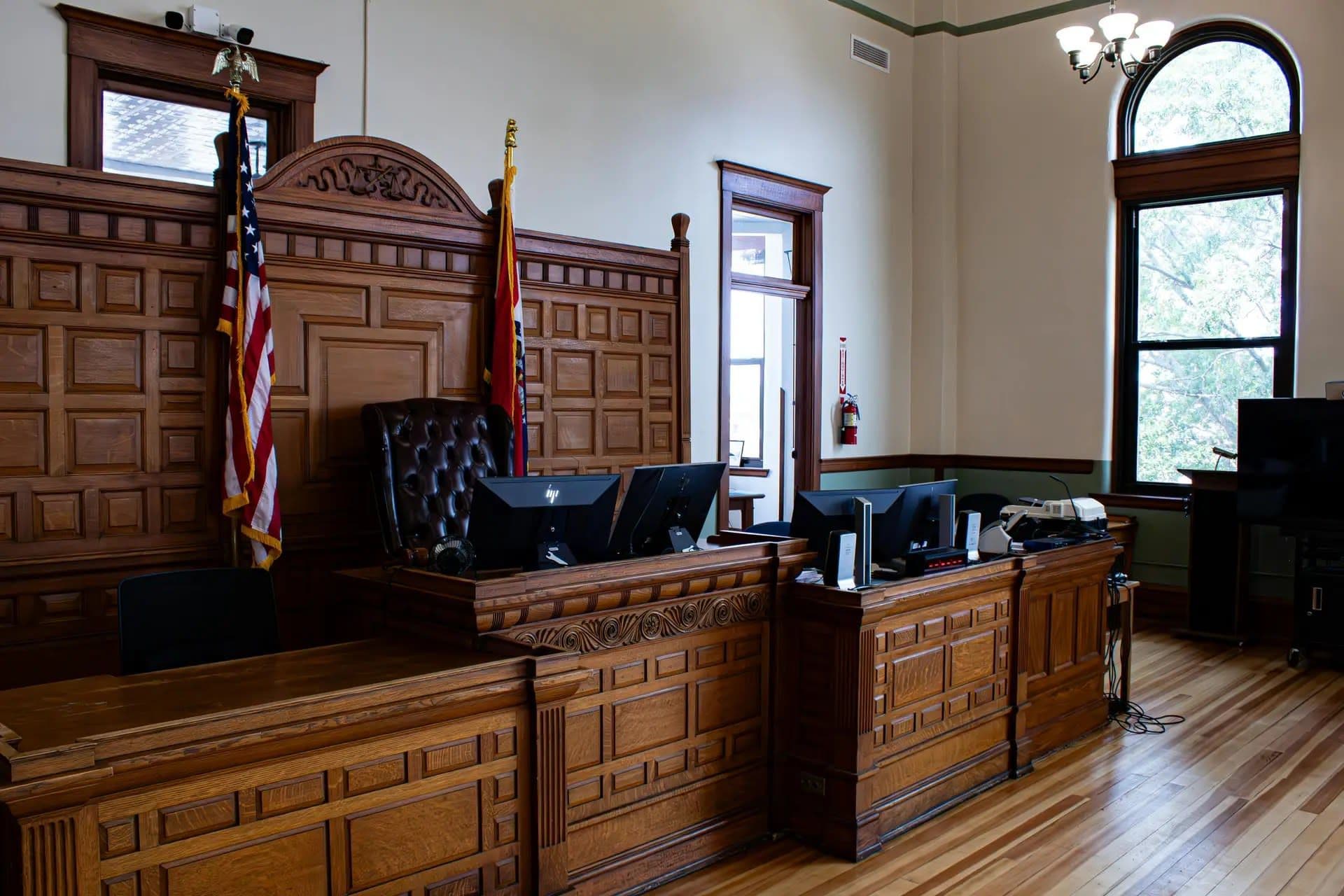
The hearing photograph was credited to Philip Yabut/Shutterstock.
Frequently Asked Questions
Which courts have ruled on Kalshi’s sports contracts?
The Third Circuit Court of Appeals ruled in Kalshi’s favor, while the Fourth, Sixth and Ninth Circuits ruled in favor of the states. Three petitions ask the U.S. Supreme Court to resolve the dispute.
What did senators ask Michael Selig to do in their letter?
The senators asked Selig to reverse his instruction to operators and preserve communications dating from January 2025. The letter, led by Adam Schiff and signed by nine Democratic senators, set November 23 as the response deadline.
Which laws did Tina Smith cite regarding sports betting?
Tina Smith cited the 2018 Murphy v. NCAA ruling and the Indian Gaming Regulatory Act. The ruling returned to states the power to legalize sports betting, while the law recognizes tribal authority.
What concerns did Raphael Warnock raise about the CFTC?
Raphael Warnock questioned the reduction in enforcement actions and staff cuts. He also expressed concern about possible favoritism toward companies linked to Donald Trump.
Tags
About the author

Renata Quiroga
Betting Markets Correspondent
Renata Quiroga covers sports betting and prediction markets — sportsbook launches, odds technology, event contracts, and the regulatory calls that decide what can be bet on and where. The reports open with the product or the ruling, name operators and platforms precisely, and explain the mechanics without needless jargon. When a book enters a Latin American market or a prediction exchange lists a contested contract, Renata Quiroga reports what changes for the bettor.
More from Renata Quiroga