CFTC sues Louisiana after ban on event contracts
State order covers more than 30 entities and remains in force after case transfer.
Key Takeaways
- The United States and the CFTC sued Louisiana on November 13, 2026, over a state order targeting event contracts.
- Judge Jeffrey Johnson’s order affects more than 30 entities and requires geoblocking in Louisiana.
- The state lawsuit alleges Kalshi earned $263.5 million in fee revenue in 2025, including $234.6 million from sports.
- Polymarket US transferred the state case to federal court, but the order remains in force unless modified or dissolved.
- The CFTC argues that event contracts are swaps subject to its exclusive jurisdiction.
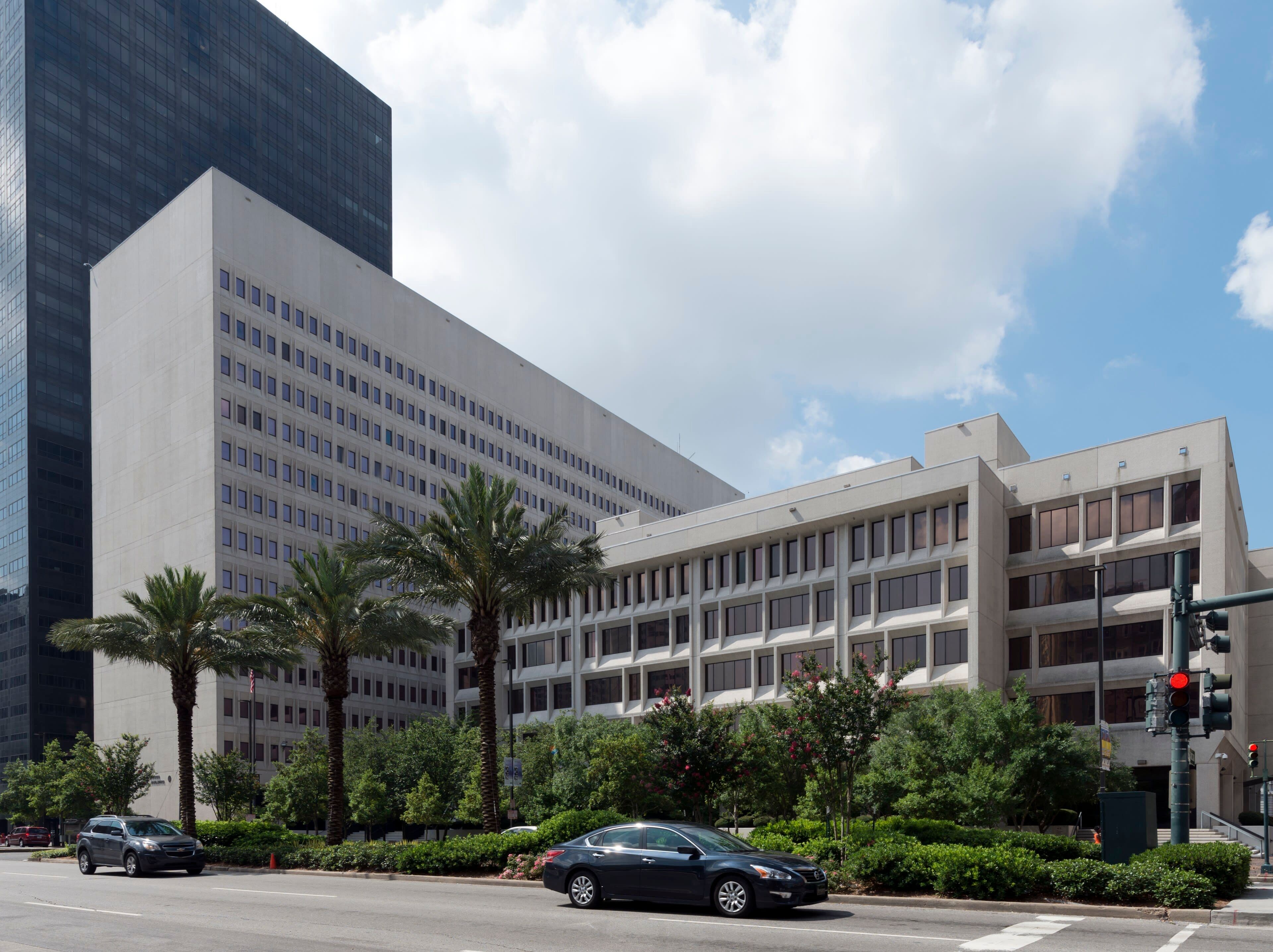
The United States and the Commodity Futures Trading Commission (CFTC) sued Louisiana in federal court in New Orleans on November 13, 2026, one day after a state judge barred more than 30 entities from offering event contracts in the state. The lawsuit seeks a temporary restraining order and a preliminary injunction against the state decision.
Polymarket US moved the state case to federal jurisdiction on November 13. As of the morning of November 16, no federal ruling had been issued.
What Louisiana’s order prohibits
Louisiana Attorney General Liz Murrill filed the state lawsuit in the 21st Judicial District Court for Tangipahoa Parish on the morning of November 12, under case number 2026-4268. Judge Jeffrey Johnson signed the ex parte order at 3:48 p.m. that day.
The order bars operating, listing, clearing, settling or brokering event contracts for people in Louisiana without a state sports-wagering licence and permit. It covers sports, elections, awards and other events considered sports wagering. It also requires geoblocking and prohibits telling Louisiana customers that the products are legal.
The entities named include Kalshi, Polymarket US, Robinhood, Crypto.com, Coinbase, Novig, Underdog, Gemini, ProphetX, ForecastEx, Rothera Exchange and Clearing, and IG Group Holdings. The lawsuit includes entities in the Robinhood, Crypto.com, Coinbase, Underdog and Gemini groups.
Johnson did not require a bond or prior notice. He considered the companies to have received prompt constructive notice of the lawsuit through media coverage and other channels. The order lasts 10 days unless extended; the hearing on a preliminary injunction is set for November 30.
The state lawsuit alleges four causes of action, including unfair trade practices and unjust enrichment, and seeks civil penalties. It alleges that Kalshi earned $263.5 million in fee revenue during 2025, of which $234.6 million came from sports.
“The platforms’ clever wordplay does not change the fact that gambling is illegal in Louisiana unless expressly authorised by the legislature and approved by a vote in each parish,” the attorney general’s lawsuit states.
The dispute over federal jurisdiction
The lawsuit United States v. State of Louisiana, case number 2:26-cv-02612, was assigned to Judge Anna St. John. It brings one claim under the Supremacy Clause of the US Constitution: it argues that event contracts are swaps subject to the CFTC’s exclusive jurisdiction and that, as a result, state gambling laws and the computer gambling offence are pre-empted by federal law.
The action names the state, Murrill and the Louisiana Gaming Control Board. It asks the court to bar them from investigating entities regulated by the CFTC, their affiliates and partners, and from enforcing the order or seeking to extend it. The dispute adds to other regulation cases involving event contracts.
In its supporting brief, the CFTC says Louisiana circumvented federal proceedings already under way — Kalshi’s case in the Western District and Polymarket US’s case in the Eastern District — by obtaining an ex parte order from a single state judge to shut down the event-contract sector in the state. The agency described the move as unprecedented.
The federal lawsuit lists previous CFTC actions against 10 states, the most recent against Utah. The case against Louisiana came one day after the agency sued Arkansas.
Two federal cases and upcoming dates
The state case transferred by Polymarket US was assigned to Judge Nannette Jolivette Brown. On November 14, Robinhood asked the court to set aside the order; that same day, Rothera Exchange and Clearing asked to dissolve or modify it and to hold an expedited hearing.
The CFTC’s motion is scheduled to be filed on November 17. Applications to intervene by Underdog and North American Derivatives Exchange, of OG.com, together with Crypto.com’s Foris companies, are scheduled for December 2.
Kalshi and Polymarket US sued Louisiana first, seeking to have the issue of federal pre-emption decided in federal courts. According to the federal lawsuit, Kalshi sought its own temporary order there on November 12, but the state court acted first.
The case transfer does not, by itself, invalidate the order. Under federal law, orders issued before a transfer remain in force until the district court dissolves or modifies them. Unless extended, the order would expire around November 22; the CFTC is asking the court to bar the state from seeking an extension.
The order’s scope and the precedents
The order is not limited to sports. The state’s main request seeks to prevent companies from operating in Louisiana, a measure that, according to the CFTC, would prohibit all the swaps they offer. The federal position requires a court to accept that at least some of those contracts are swaps.
The Sixth and Ninth Circuit Courts of Appeals have ruled in favour of the states, while the Third Circuit ruled in favour of Kalshi. The Fifth Circuit, which includes Louisiana, has not yet ruled.
Frequently Asked Questions
Which products does Louisiana’s ban cover?
The order covers event contracts on sports, elections, awards and other events considered sports wagering. It also bars activities ranging from listing and clearing to brokering those contracts for people in Louisiana without a state licence and permit.
When does the order against prediction markets expire?
The order would expire around November 22 unless extended. The judge set a 10-day duration and a hearing on a preliminary injunction for November 30.
What did Robinhood and Rothera do after the case was transferred?
Robinhood asked to set aside the order on November 14. That same day, Rothera Exchange and Clearing asked to dissolve or modify it and to hold an expedited hearing.
Have appellate courts ruled on these contracts?
The Sixth and Ninth Circuits have ruled in favour of the states, while the Third Circuit ruled in favour of Kalshi. The Fifth Circuit, which includes Louisiana, has not yet ruled.
Tags
About the author

Renata Quiroga
Betting Markets Correspondent
Renata Quiroga covers sports betting and prediction markets — sportsbook launches, odds technology, event contracts, and the regulatory calls that decide what can be bet on and where. The reports open with the product or the ruling, name operators and platforms precisely, and explain the mechanics without needless jargon. When a book enters a Latin American market or a prediction exchange lists a contested contract, Renata Quiroga reports what changes for the bettor.
More from Renata Quiroga