DraftKings Highlights Growth in Betting and Prediction Markets at NFL Launch
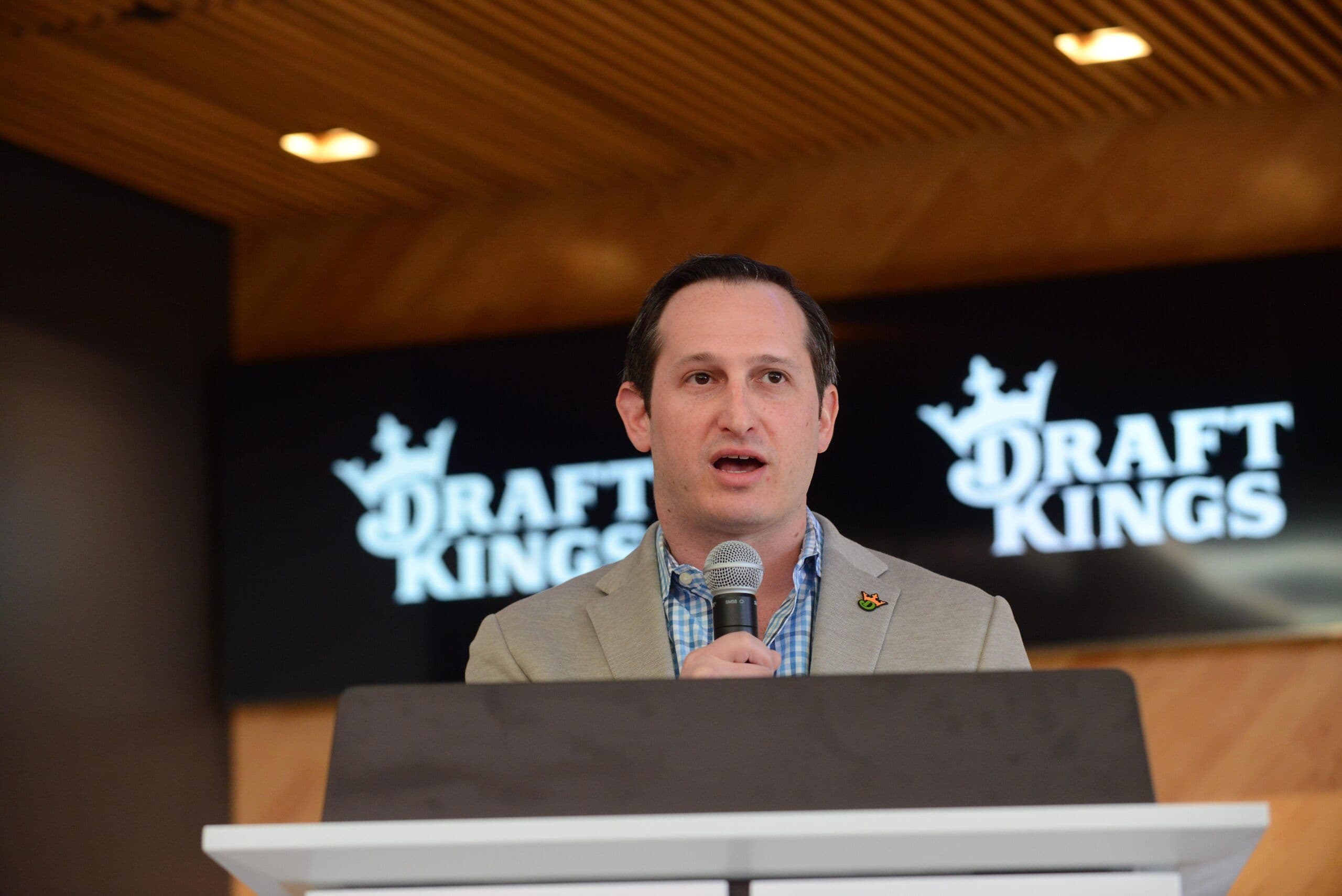
Jason Robins, CEO of DraftKings, detailed outstanding trends in sports betting and prediction markets, with significant volume increases coinciding with the start of the 2026 NFL season.
Key Takeaways
- DraftKings experiences a 15% year-on-year growth in betting at the start of NFL 2026.
- The DraftKings Predictions unit has multiplied its user volume by 2.5 since July.
- 30% of the volume recorded on September 20 came from parlays in Prediction Markets.
- DraftKings plans to invest up to $300 million in Prediction Markets during 2026.
- The legality of contracts on sporting events remains pending a ruling from the U.S. Supreme Court.
DraftKings has recorded notable growth in its online sports betting and prediction markets segments during the early weeks of the new NFL season, according to its CEO Jason Robins. The executive indicated that the company is seeing solid expansion in both business areas and holds a favorable position regarding the possible intervention of the U.S. Supreme Court on the legality of contracts linked to sporting events.
Focus on Growth in Sports Betting and Prediction Markets
Robins, during his speech at the Wells Fargo Consumer Conference on September 22, confirmed that DraftKings reported a year-on-year growth of 15% in the volume wagered at the start of the 2026 NFL season. This increase reflects the company’s core momentum and an effective cross-sell strategy from the DraftKings Predictions unit, which integrates the proprietary DKeX exchange technology.
The executive noted that DraftKings Predictions has experienced nearly 2.5 times more user volume compared to what was recorded in July. He also highlighted that on September 20, nearly 30% of the total volume came from parlays, a milestone reached much faster than in the traditional sports betting line, where this level of penetration took more than five years.
DraftKings Predictions and Product Expansion in the NFL
DraftKings’ strategic vision for Prediction Markets leads to a market share close to double digits within the sports market. The platform competes by integrating routes with Crypto.com and, according to Robins, the NFL catalog from DraftKings offers three times more markets than the competition. In college leagues and MLB, the number of available markets is 1.5 times higher compared to other operators.
"We feel that, in a short period, we have moved from having a objectively lesser product to the best in the current sports market," said Jason Robins.
DraftKings had announced planned investments of between $200 and $300 million in Prediction Markets for 2026. Robins suggested the possibility of bringing forward some of those resources intended for 2027, given the high conversion of users in the new vertical.
Operational Strategy and Competition in the U.S. Market
Internal technological development remains a pillar of DraftKings' strategy, both for the core product and for prediction markets. Robins compared the current situation to the early days of online sports betting in the United States, where many operators competed for market share. He emphasized the company’s ability to face competition in any segment where it operates, maintaining differentiation through product offering and technological experience.
"We love competition. We have dealt with this in every vertical," commented Robins, highlighting the company's foresight to sustain its positioning regardless of judicial resolution.
Legal Context: Contracts on Sporting Events in the United States
The legality of prediction contracts regarding sporting events is under review by the Supreme Court, following a request from New Jersey. This came after the Ninth Circuit backed Nevada against Kalshi, contrasting with a previous ruling from the Third Circuit in favor of Kalshi against New Jersey. The states involved are seeking to prevent prediction platforms from marketing contracts on sporting events, arguing that they constitute unauthorized sports betting.
DraftKings and its main competitor FanDuel do not offer these contracts in jurisdictions where sports betting is legally regulated, nor in tribal territories.
Robins stated that although different stances exist, DraftKings would be well-positioned against any judicial ruling, as its operational model does not exclusively rely on these contracts. He noted that a hypothetical ban could positively impact its stock price, but the company's strategy is focused on long-term value creation and investment, independent of the legal outcome.
Looking to the Future and Implications for the Sector
The evolution of prediction markets and their integration into platforms like DraftKings marks a relevant trend for industry providers and regulators. The competition to offer a greater number of markets and innovative experiences will determine the dynamics among the key players in the U.S. environment. The strong commitment to proprietary technology and solid positioning amid regulatory uncertainty positions DraftKings as a benchmark for adaptability in the online betting market.
Frequently Asked Questions
What results did DraftKings report in Prediction Markets during NFL 2026?
DraftKings Prediction Markets recorded nearly 2.5 times more volume than in July and reached 30% of parlays in total operations on September 20, according to Jason Robins.
What is DraftKings' technological strategy in Prediction Markets?
DraftKings has chosen to maintain in-house technological development for both traditional betting and Prediction Markets, integrating DKeX and routes with Crypto.com to expand its offerings and differentiate from competitors.
What is DraftKings' position regarding the legal uncertainty over contracts on sporting events?
DraftKings considers itself well positioned regarding any judicial ruling on the legality of contracts for sporting events, as its business model and technological diversification allow it to continue growing regardless of the outcome.
In which markets do DraftKings and FanDuel operate regarding contracts on sporting events?
DraftKings and FanDuel do not offer contracts on sporting events in states where sports betting is regulated or in tribal territories, adapting to local U.S. regulatory frameworks.
Tags
About the author

Renata Quiroga
Betting Markets Correspondent
Renata Quiroga covers sports betting and prediction markets — sportsbook launches, odds technology, event contracts, and the regulatory calls that decide what can be bet on and where. The reports open with the product or the ruling, name operators and platforms precisely, and explain the mechanics without needless jargon. When a book enters a Latin American market or a prediction exchange lists a contested contract, Renata Quiroga reports what changes for the bettor.
More from Renata Quiroga