Hegseth bars personnel from trading on nonpublic information, names Polymarket and Kalshi
Memo dated 20 October forbids trades using classified or unclassified nonpublic government information.
Key Takeaways
- Pete Hegseth issued a 20 October memorandum barring Department of Defense personnel from trading on nonpublic government information on platforms including Polymarket and Kalshi.
- The memo applies to both classified and unclassified nonpublic information and warns of administrative, disciplinary or criminal action under the Uniform Code of Military Justice or federal law.
- The directive follows the 23 April DOJ indictment of Master Sgt. Gannon Ken Van Dyke, who prosecutors say placed about 13 bets totalling about $33,000 and profited about $409,881.
- Congressional proposals include a House request to ban all national-security prediction market bets and a Senate provision requiring reporting of covered transactions above $250.
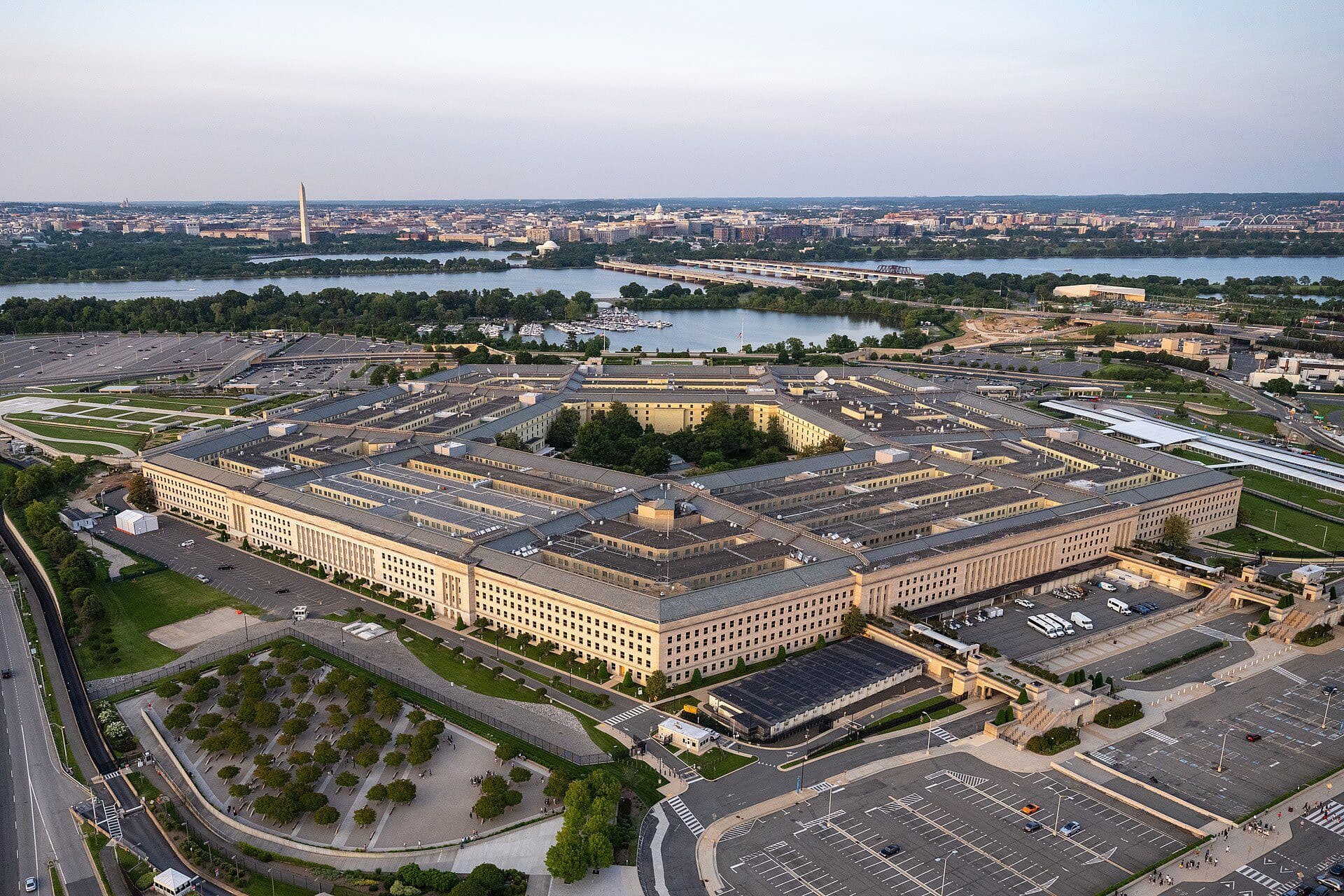
Defense Secretary Pete Hegseth issued a memorandum dated 20 October prohibiting military and civilian Department of Defense personnel from using nonpublic government information to place wagers on betting platforms and prediction markets, explicitly naming Polymarket and Kalshi. The memo, first reported by CBS News on 22 October, makes clear the ban applies to both classified and unclassified nonpublic information and warns that violations "may result in administrative, disciplinary, and, where appropriate, criminal action under the Uniform Code of Military Justice and/or applicable federal law," according to text quoted by DefenseScoop.
What the memo orders
The one-page order was addressed to Pentagon leadership, combatant commanders, and the directors of Defense agencies and field activities. "This prohibition applies whether the transaction is informed by classified or unclassified information," Hegseth wrote, as quoted by DefenseScoop. The memo does not, in the passages reported, publish the full text or cite a specific statute, nor does the reporting identify a new reporting or pre-clearance requirement for personnel.
Hegseth argued that well-timed trades create an exploitable signal: "Our enemies watch movements in these markets," and a transaction on a military outcome creates "a signal... that can be aggregated, correlated, and exploited by hostile foreign intelligence services to anticipate our movements, targets, and timing," a passage quoted by The Epoch Times shows. He also wrote that "a logistician with money riding on a strike date has an interest in that date," highlighting the conflict-of-interest rationale behind the prohibition.
The memo refers simply to "the Department" in quoted passages; reporting outlets use both "Defense Department" and the administration's secondary title, "Department of War," the latter authorised by Executive Order 14347 of 5 September 2025 while the statutory name remains in force until Congress changes it.
The case that prompted the directive
The memo follows a high-profile prosecution unsealed by the U.S. Department of Justice on 23 April. The indictment charges Master Sgt. Gannon Ken Van Dyke, then an active-duty soldier at Fort Bragg, with unlawful use of confidential government information, theft of nonpublic government information, commodities fraud, wire fraud and an unlawful monetary transaction. Prosecutors allege Van Dyke helped plan Operation Absolute Resolve, the 3 January capture of Nicolás Maduro, and that he placed about 13 bets totalling about $33,000, profiting about $409,881. Van Dyke has pleaded not guilty.
The Commodity Futures Trading Commission filed a parallel civil complaint and described the case as its first insider trading matter involving event contracts. The CFTC's enforcement division had set out its position in a 25 February advisory stating that trading event contracts on confidential information misappropriated in breach of a duty of trust can constitute insider trading under the Commodity Exchange Act, and that exchanges must run their own surveillance.
Polymarket published enhanced market integrity rules on 23 March barring trading on stolen confidential information, on illegal tips, and by anyone able to influence an outcome. Kalshi has previously fined and suspended three congressional candidates it said wagered on their own elections, the Associated Press reported. Polymarket has referred dozens of traders to the Justice Department, according to reporting.
Congressional and watchdog reactions
On 1 May, 16 House members led by Representative Eugene Vindman asked Hegseth to issue "a general order or regulation to prohibit all military and civilian personnel from utilizing prediction markets to place bets on any national security related topic." The House Armed Services Committee's draft defence bill would require regulations barring trading by personnel who hold, or "may reasonably obtain", nonpublic information, CNN reported in June.
The Senate version of the defence bill contains Section 1081, which would require covered transactions above $250 to be reported to an ethics official. The Project On Government Oversight said on 29 September that the $250 reporting threshold "leaves room for insider trading" and urged a ban on all prediction market trading within the Department.
Congress and watchdog groups have therefore pushed for broader restrictions than the memo provides; Hegseth's order adopts a narrower legal trigger — the use of nonpublic information — while giving commanders a direct disciplinary route.
What changes and what stays the same
Using classified information to trade was already potentially prosecutable and is the basis of ongoing criminal and civil cases, including the Van Dyke indictment and the CFTC complaint. The memo changes enforcement mechanics by explicitly authorising commanders to pursue administrative and disciplinary measures and by extending the prohibition to unclassified but nonpublic information.
Administrative action can proceed without waiting for a criminal indictment. That practical difference matters because criminal enforcement has been relatively limited: by August the CFTC had charged only three prediction market traders while pursuing as many as 20 investigations arising from Kalshi referrals alone, according to The New York Times.
The exchanges and the market question
Exchanges and prediction markets already state similar prohibitions in their rulebooks; barring insider trading by personnel is therefore an easy lift for platforms. The harder commercial question is whether contracts on military operations should be listed at all. The 1 May House letter appended examples including markets on Kharg Island and on the rescue of aviators downed over Iran. The CFTC's 10 June proposal would require one-by-one public interest assessments for contracts involving war, terrorism and assassination.
Each well-timed bet complicates the defence of these contracts, the memo's authors and congressional critics argue, making the category harder to sustain than any single prosecution can resolve. The memo gives the Pentagon a disciplinary tool and a public position it previously avoided. Whether that is sufficient will depend on detection, platform surveillance, and the final language of the defence bill Congress has not yet completed.
"This prohibition applies whether the transaction is informed by classified or unclassified information," wrote Defense Secretary Pete Hegseth, according to DefenseScoop.
"Our enemies watch movements in these markets," Hegseth added, the memo text quoted by The Epoch Times states.
Frequently Asked Questions
What did Pete Hegseth's 20 October memo prohibit?
The memo prohibited Department of Defense military and civilian personnel from using nonpublic government information, classified or unclassified, to place wagers on betting platforms and prediction markets, explicitly naming Polymarket and Kalshi. The text quoted by DefenseScoop states violations "may result in administrative, disciplinary, and, where appropriate, criminal action under the Uniform Code of Military Justice and/or applicable federal law."
Which case prompted the Pentagon memo?
The memo follows the 23 April indictment of Master Sgt. Gannon Ken Van Dyke, who prosecutors allege placed about 13 bets totalling about $33,000 and profited about $409,881 from information tied to Operation Absolute Resolve; Van Dyke has pleaded not guilty and the Commodity Futures Trading Commission filed a parallel civil complaint.
Does the memo create a new criminal offence?
The memo does not itself cite a specific new criminal statute; it restates that using classified information to trade was already prosecutable and gives commanders authority to pursue administrative and disciplinary measures. Reporting on the memo did not identify a new statutory crime or a specific reporting or pre-clearance requirement.
How have Congress and watchdogs reacted to prediction market trading by personnel?
On 1 May, 16 House members led by Rep. Eugene Vindman asked for a general prohibition on personnel betting on national-security topics, the House draft defence bill would bar trading by those who hold or may reasonably obtain nonpublic information, and the Senate bill's Section 1081 would require reporting of covered transactions above $250; the Project On Government Oversight has urged a complete ban.
Tags
About the author

Tessa Coleman
Betting Markets Correspondent
Tessa Coleman covers betting products and markets — sportsbook launches, odds and trading technology, and the fast-growing prediction-market space from regulated exchanges to event contracts. The stories lead with the product or the ruling, name the operators and platforms precisely, and translate trading jargon into what bettors can actually do. When a book reworks its pricing or a prediction market wins a license fight, Tessa Coleman explains the mechanics and the stakes.
More from Tessa Coleman