Markets place 94% probability on system failure for FAA national flight stoppage
Kalshi markets assign 94% to system failure and 81% to L3Harris after FAA lifted the halt
Key Takeaways
- The FAA lifted the national flight stoppage on the night of Friday, 13 November 2026.
- Kalshi prediction markets assign a 94% probability that the cause was a system failure.
- Kalshi places an 81% probability that L3Harris Technologies was involved.
- In 2025, Congress approved $12.5 billion to modernize air traffic control technology.
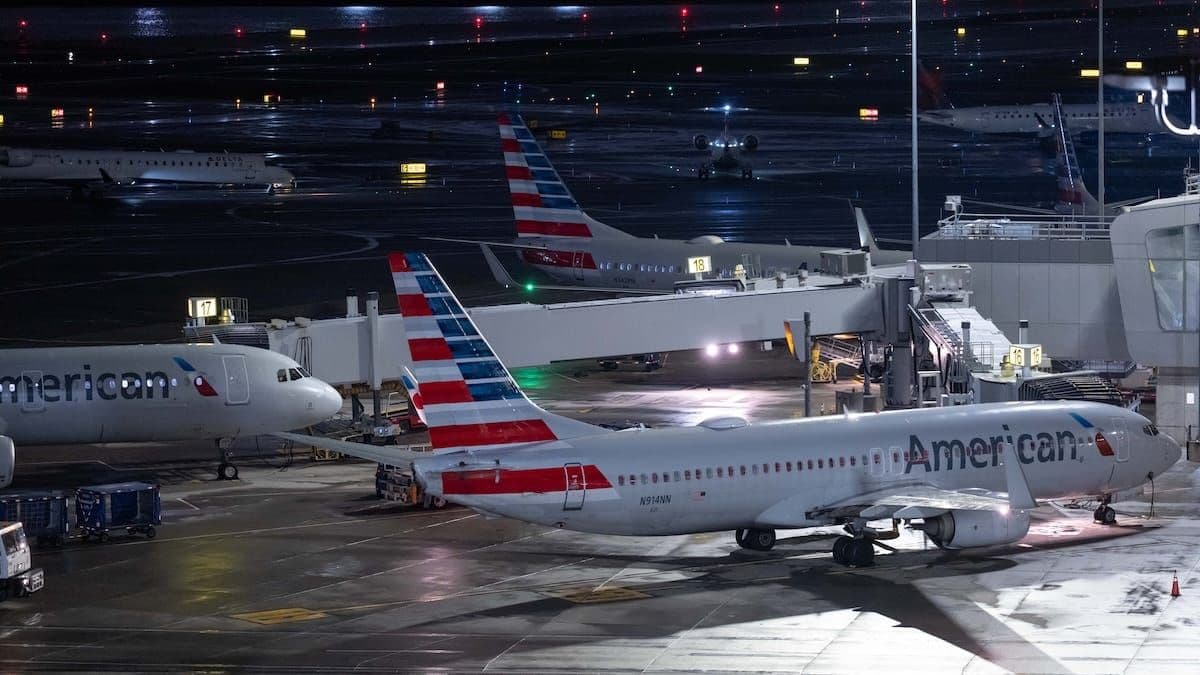
The Federal Aviation Administration lifted the national flight stoppage restriction on the night of Friday, 13 November 2026. Kalshi reported that its prediction markets assign a 94% probability that the cause was a system failure and 81% that L3Harris Technologies was involved.
Official reason: telecommunications and inconsistent data
The FAA attributed the temporary suspension of flights to a telecommunications outage. "Every flight has been accounted for and international flights will be handled on a case by case basis," the FAA posted on X when announcing the lift. Secretary of Homeland Security Markwayne Mullin said the problem was not due to malicious action: > "This isn’t another 9/11," Mullin said.
Transportation Secretary Sean Duffy told reporters at the White House there was inconsistency in data coming from radars and in communication with aircraft. "We started to have inconsistency in the data from the radars and our communication with airplanes," Duffy said. Duffy added the issue is related to the aging air traffic control system.
Industry reaction and technical background
Former Transportation Secretary Ray LaHood told Bloomberg this looks more like "an old, antiquated system that failed" than a transition between systems. The Associated Press noted the incident echoes a regional communications outage in September that affected hundreds of flights in the northeast and that the failure could be linked to obsolete technology used by controllers.
Last year, Congress approved $12.5 billion to modernize air traffic control technology and replace the FAA’s aging infrastructure.
What Kalshi prediction markets say
Kalshi event contracts offered probabilities on the cause of the national flight stoppage:
94%: the cause was a system failure
76%: the cause was a contractor failure
81%: L3Harris Technologies as cause
45%: maintenance or upgrade as cause
Kalshi also indicated that the probability tied specifically to maintenance or upgrade sits at 45%.
L3Harris and the modernization contract
In July, L3Harris Technologies received a FAA contract "to upgrade the country’s aircraft tracking network" that includes upgrading more than 700 ground stations, expanding surveillance capabilities and replacing decades-old copper-wire connections at major air-route traffic control centers. A L3Harris statement says the company "operates the world’s largest terrestrial air traffic surveillance network, integrating thousands of data sources and delivering information to hundreds of FAA and government facilities through a 24/7 network operations center."
Quick take
Kalshi markets now place technical cause as the most likely; the figures above reflect the live contract probabilities after the national stoppage.
Frequently Asked Questions
When was the FAA national flight stoppage lifted?
The FAA lifted the restriction on the night of Friday, 13 November 2026, announcing that every flight had been accounted for and that international flights would be handled case by case.
What probabilities did Kalshi markets assign to a system failure?
Kalshi’s event contracts assigned a 94% probability that the stoppage was caused by a system failure and a 45% probability that maintenance or an upgrade was the cause.
Why is L3Harris Technologies suspected?
L3Harris received a July FAA contract to upgrade the country’s aircraft tracking network, including more than 700 ground stations; Kalshi places an 81% probability that L3Harris was involved in the stoppage.
Tags
About the author

Renata Quiroga
Betting Markets Correspondent
Renata Quiroga covers sports betting and prediction markets — sportsbook launches, odds technology, event contracts, and the regulatory calls that decide what can be bet on and where. The reports open with the product or the ruling, name operators and platforms precisely, and explain the mechanics without needless jargon. When a book enters a Latin American market or a prediction exchange lists a contested contract, Renata Quiroga reports what changes for the bettor.
More from Renata Quiroga