Senator accuses CFTC chair of misleading the Senate
Two commissioner nominees faced questions on betting and state authority.
Key Takeaways
- Adam Schiff accused CFTC Chair Michael Selig of misleading the Senate about his approach to sports contracts.
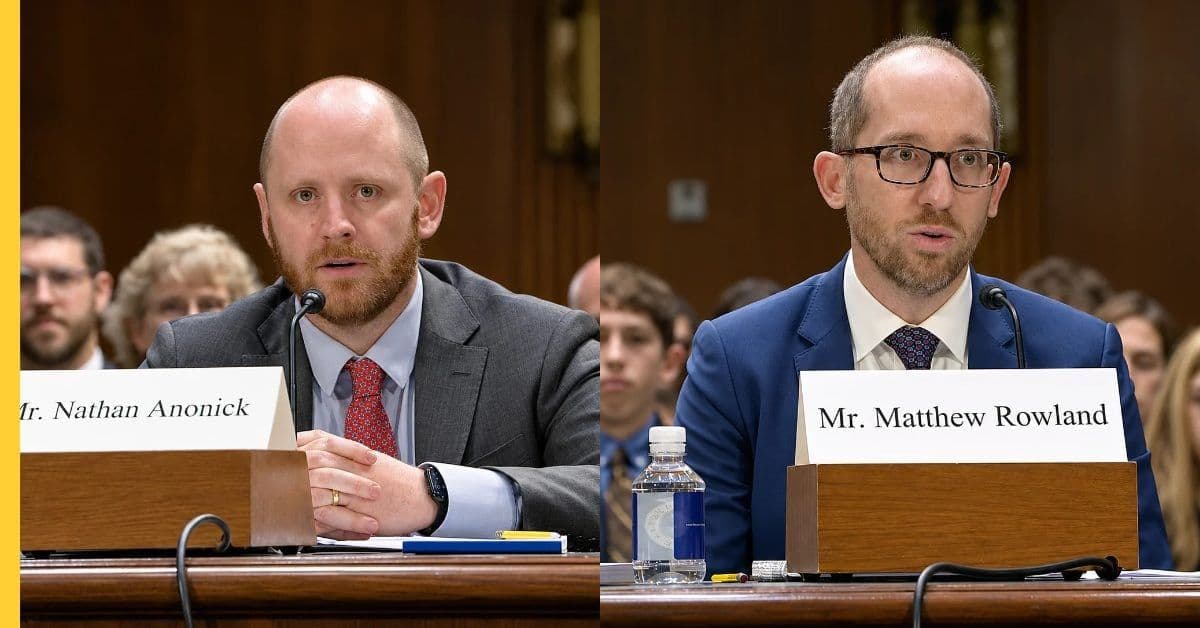
- Nathan Anonick and Matthew Rowland took no definitive position on the legality of sports contracts at the November 17, 2026 hearing.
- Michael Bennet said contracts admitted to trading rose 167% from 2024 to 2026 while the CFTC lost around 25% of its staff.
- Confirming Anonick and Rowland would increase the commission from one member to three, leaving two seats vacant.
Democratic California Senator Adam Schiff accused Michael Selig, chair of the Commodity Futures Trading Commission (CFTC), of misleading lawmakers about his position on sports prediction markets. The accusation came on Tuesday, November 17, 2026, during a confirmation hearing for two commissioner nominees before the U.S. Senate Committee on Agriculture.
Republican nominee Nathan Anonick and Democratic nominee Matthew Rowland were questioned about whether sports contracts constitute betting and how the CFTC should handle disputes with states and tribal governments. Neither took a definitive position on the legality of those contracts.
Selig’s promise under scrutiny
Schiff recalled that during his own confirmation hearing in 2025, Selig repeatedly promised to address the legality of contracts on sporting events without a preconceived position and to defer to the federal courts. Since taking office, the CFTC chair has defended federal jurisdiction over prediction markets and challenged state-imposed geographic restrictions.
“I don’t know if a nominee has ever misled me so blatantly. This is certainly not the kind of leadership we need at the CFTC,” Schiff said.
The senator read several responses from Selig’s testimony and questioned whether he had lied or changed his mind after confirmation. According to Schiff, Selig filed briefs to tell courts how to act and, when their rulings did not favor prediction markets, effectively told companies to ignore court orders, not apply geographic restrictions, and not comply with state or tribal laws.
Schiff asked Anonick whether a prediction contract on the outcome of Thursday’s NFL game between the Colts and Texans was a sports bet. Anonick replied several times that the issue was legally complex because of conflicting federal court decisions, and did not say how he would vote on future matters or whether he would follow Selig’s position.
The nominee said he was not trying to evade the question and that, if confirmed, he would conduct a thorough investigation and consult the Office of General Counsel, outside lawyers, tribes, states, and other stakeholders. He added that he would make his own decisions and take responsibility for them. Schiff asked him to honor that commitment and said he hoped he would not have to revisit his testimony at another hearing.
States, tribes and sports contracts
Democratic Minnesota Senator Tina Smith challenged the distinction between sports betting and contracts on events. She argued that federal law protects the authority of states and tribal governments to regulate gambling, and cited the CFTC’s lawsuits against states seeking to restrict sports prediction markets.
Smith asked whether there was a practical difference between a sports bet and a contract tied to the same outcome. Rowland acknowledged conflicting federal rulings and avoided commenting on ongoing litigation. He said he understood the senator’s practical argument, was receptive to the concerns of states and tribes, and would want to continue working with them if confirmed.
Anonick also pointed to legal uncertainty. He said he had heard from tribal representatives and would consider their views before making regulatory decisions. Smith rejected his characterization of the dispute as a matter of emotional intensity: she said it concerned rights established by the Indian Gaming Regulatory Act and state authority over sports gambling.
Democratic Minnesota Senator Amy Klobuchar, the committee’s ranking minority member, asked Rowland about the CFTC’s responsibility to assess whether contracts on gambling and other restricted activities are contrary to the public interest. Rowland replied that the rulemaking process was still open and that, if confirmed, he expected to take part in assessing the balance between the public interest and the contracts’ economic utility.
Rowland anticipated a possible Supreme Court ruling within the next two terms and said the CFTC would be required to comply with it.
Retail protections and staffing
Klobuchar also asked how the agency should respond to rising retail participation in prediction markets and digital asset derivatives, as platforms pitch products to less experienced traders. Rowland proposed reviewing and strengthening customer protections, rules on conflicts of interest at vertically integrated platforms, and marketing and advertising requirements.
Democratic Colorado Senator Michael Bennet questioned whether the CFTC has enough resources to monitor fraud, manipulation, and insider trading. He noted that between 2024 and 2026, the number of contracts admitted to trading increased by 167%, while the agency lost around 25% of its staff over the same period.
Rowland, a longtime CFTC lawyer and member of the National Treasury Employees Union, referred to the loss of staff and the disruptions of 2025. He said he wanted to work with Selig and the other commissioners to restore adequate staffing levels and return the enforcement program to its historic size and activity.
Anonick said he would request detailed reports on staffing, hiring plans, and technical expertise gaps before determining where more resources are needed.
Commission composition and next steps
Democratic Georgia Senator Raphael Warnock asked both nominees about the importance of restoring a full, bipartisan five-member commission rather than leaving Selig as the sole commissioner. Both supported filling the vacancies. Rowland expressed hope that he and Anonick could demonstrate the benefits of a bipartisan commission through their work.
Bennet asked whether they would support extending public comment periods for major CFTC rules, particularly those initiated while Selig was the sole commissioner. Both supported giving stakeholders adequate opportunities to participate.
Warnock separately raised allegations that politically appointed officials had interfered in CFTC investigations into companies linked to President Donald Trump’s family. He asked whether those relationships should influence the treatment of regulated firms.
“I believe the law must be applied fairly, without fear or favor, so the answer is no,” Rowland replied.
Anonick agreed that the law should be applied equally regardless of political connections and said he would examine the allegations of interference if confirmed.
The next step is a vote by the Senate Committee on Agriculture on whether to send the nominations to the full Senate for confirmation. The committee’s chair, Republican Arkansas Senator John Boozman, expressed hope that they would move forward soon. If Anonick and Rowland are confirmed, they will join Selig and restore bipartisan representation at the CFTC, although two of its five seats will remain vacant.
Frequently Asked Questions
What did Michael Selig promise about sports contracts?
Selig promised to address their legality without a preconceived position and to defer to the federal courts. Adam Schiff challenged that 2025 promise, saying the CFTC chair later defended federal jurisdiction and challenged state restrictions.
What objections did Tina Smith raise about prediction markets?
Smith defended the authority of states and tribes to regulate gambling and questioned the practical difference between a bet and a contract on the same outcome. She cited the Indian Gaming Regulatory Act and the CFTC’s lawsuits against states seeking to restrict these markets.
What retail customer protections did Matthew Rowland propose reviewing?
Rowland proposed reviewing customer protections and rules on conflicts of interest, marketing, and advertising. His response addressed retail participation in prediction markets and digital asset derivatives.
What happens next for the Anonick and Rowland nominations?
The Senate Committee on Agriculture must vote on whether to send both nominations to the full Senate for confirmation. Its chair, John Boozman, said he hoped they would advance soon.
Tags
About the author

Renata Quiroga
Betting Markets Correspondent
Renata Quiroga covers sports betting and prediction markets — sportsbook launches, odds technology, event contracts, and the regulatory calls that decide what can be bet on and where. The reports open with the product or the ruling, name operators and platforms precisely, and explain the mechanics without needless jargon. When a book enters a Latin American market or a prediction exchange lists a contested contract, Renata Quiroga reports what changes for the bettor.
More from Renata Quiroga