SIGA calls for limits on US sports prediction markets
The alliance proposes independent controls and protections for college athletes.
Key Takeaways
- SIGA wants contracts on US college sports suspended until enforceable safeguards are in place.
- The NFL and NCAA are calling for a minimum age of 21 for sports contracts, with the NCAA’s request focused on college sports.
- An NCAA survey published in March found that one in three responding Division I men’s basketball players had received criticism over betting losses.
- SIGA is asking FIFA to disclose whether safeguards under its agreement with ADI Predictstreet were independently tested.
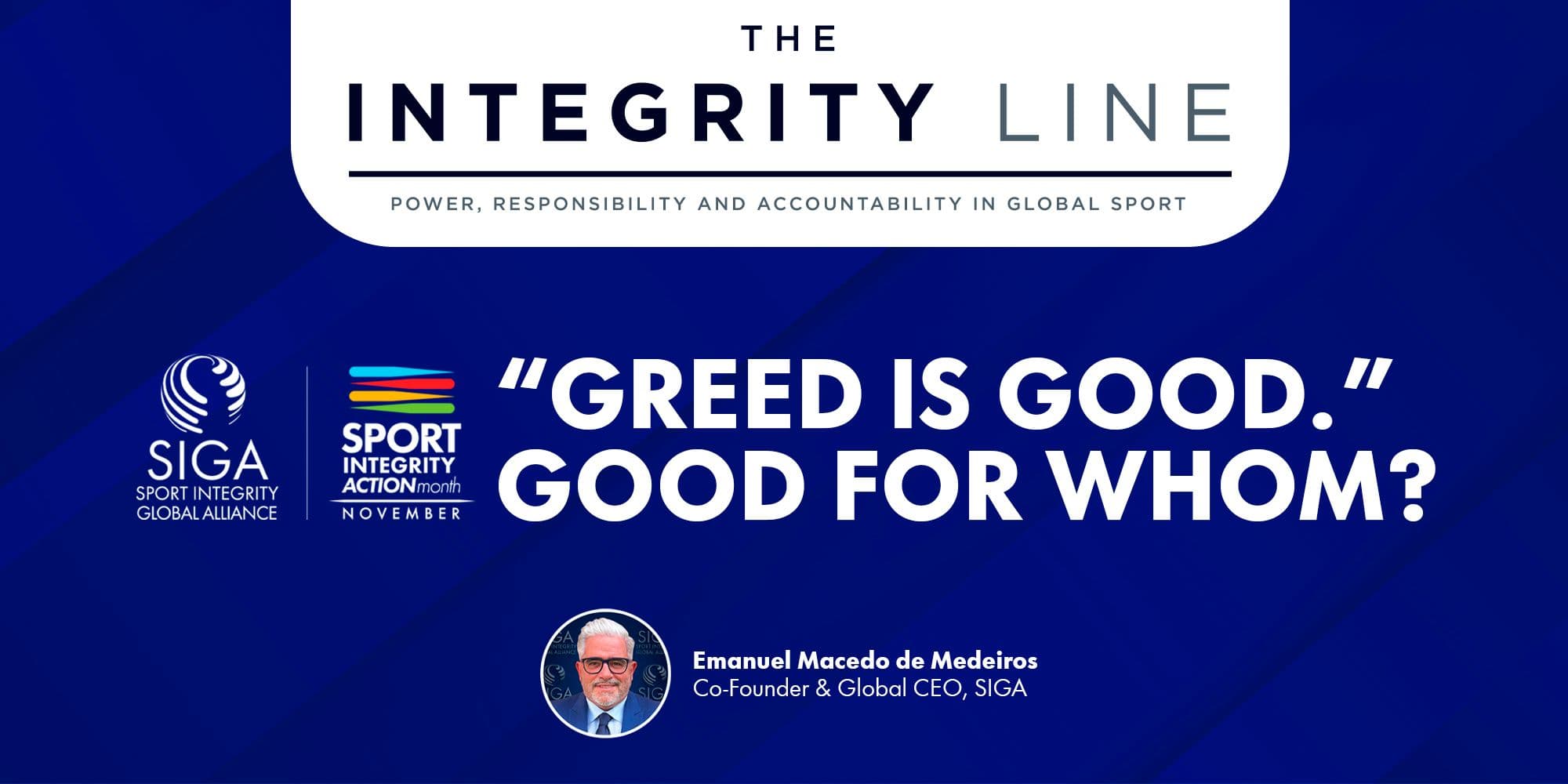
The Sport Integrity Global Alliance (SIGA) called for enforceable limits on sports prediction markets in the United States, including suspending contracts on college sports until effective safeguards are in place. In an article published on 16 November 2026, its co-founder and global chief executive, Emanuel Macedo de Medeiros, backed calls from the National Football League (NFL) and the National Collegiate Athletic Association (NCAA) to tighten the rules.
Macedo de Medeiros, who is also president and chief executive of SIGA AMERICA, opened his argument with the line Gordon Gekko delivered to shareholders in the film Wall Street:
“Greed, for lack of a better word, is good.” — Gordon Gekko
The executive questioned who benefits when a student-athlete is blamed for a bettor’s financial loss.
Contracts on college athletes
In October, US platform ProphetX self-certified a class of contracts linked to individual statistics for Division I women’s basketball players. One listing asked whether a Notre Dame player would score more than 24.5 points against Villanova.
In January, NCAA president Charlie Baker asked the Commodity Futures Trading Commission (CFTC) to suspend prediction markets on college sports until safeguards were in place. He later called for a ban on contracts tied to the individual performance of college athletes.
An NCAA survey published in March found that one in three Division I men’s basketball players who responded had received personal criticism from fans over betting losses. Macedo de Medeiros argued that a student who misses a free throw should be able to return to class without being held accountable for a stranger’s losses.
These markets involve buying and selling contracts whose payout depends on an outcome. In the executive’s view, buying a contract that pays out if a team wins and backing that same team with a sportsbook both expose money to the same result, even if the products have different names.
Kalshi allows people to open an account at 18. In the United States, people must be 21 to buy beer and, in most states where sports betting is legal, to place a bet. The NFL is calling for that minimum age for contracts on sporting events; the NCAA has requested it for college sports.
What risks do the NFL and SIGA want to limit?
On 8 October, the NFL urged the US Supreme Court to review the New Jersey litigation involving Kalshi over whether federal law pre-empts state gambling rules that apply to contracts on sporting events.
The league wants platforms to exclude contracts on injuries, officiating decisions, events that a person could easily manipulate, and outcomes that someone with inside information could know in advance. Macedo de Medeiros noted that a player could alter a play without changing the winner, while a team employee could tell a friend that a starter would be absent before the official announcement.
The CFTC’s June proposal identifies contracts on injuries, officiating decisions and youth competitions as matters of public interest. SIGA wants to turn those concerns into enforceable limits and review other vulnerable contracts before they are listed.
The alliance proposes excluding high school and other youth competitions from these markets. It also calls for users’ ages and identities to be verified, a US minimum age of 21 for contracts on sporting events, restrictions on advertising on campuses, and funding for support for people harmed by gambling. Athletes should have safe reporting channels, with sanctions for abuse.
Kalshi says it screens people with inside information about sport and monitors trading in real time. Macedo de Medeiros called for independent testing to determine whether those controls detect insider trading carried out through third-party accounts.
Under the proposal, platforms must promptly share relevant alerts and records with regulators and authorised integrity investigators. Regulators should also be able to halt trading quickly and require evidence to be preserved when suspicious activity threatens the integrity of a competition.
Independent standards and commercial agreements
SIGA, an independent coalition of sports organisations, public authorities and businesses, has developed the Universal Standards on Sports Betting Integrity. Macedo de Medeiros said SIGA AMERICA is ready to work with the NFL, the NCAA, other US leagues, regulators and platforms on common safeguards that can be independently verified and enforced.
The executive also addressed the agreement under which the Fédération Internationale de Football Association (FIFA) named ADI Predictstreet its official prediction-markets partner for the 2026 World Cup. FIFA promised real-time monitoring and information sharing; SIGA asked it to disclose whether the safeguards had been independently tested and to publish the results.
Macedo de Medeiros proposed that every league and federation require independent checks before associating its name with a prediction market or sportsbook, and throughout the agreement. He also called for independent integrity officials to have the authority to stop a deal that the commercial team wants to maintain.
SIGA AMERICA’s advisory board will meet in Boston on Tuesday, 17 November. Its president said he would present the proposals there and seek to work with leagues and regulators in New York on limits for high-risk contracts, information sharing, independent oversight and enforceable safeguards.
SIGA is an independent global non-profit organisation, funded by its members and headquartered in Geneva, Switzerland. It provides independent ratings and certification based on the SIGA Universal Standards and brings together representatives from sport, governments, academia, international organisations, sponsors, businesses, rights holders, NGOs and professional services. Its continental affiliates are SIGA AMERICA, SIGA ASIA, SIGA EUROPE and SIGA LATIN AMERICA.
Frequently Asked Questions
What college sports contract did ProphetX list?
In October, ProphetX self-certified contracts linked to individual statistics for Division I women’s basketball. One listing asked whether a Notre Dame player would score more than 24.5 points against Villanova.
What Kalshi–New Jersey dispute does the NFL want reviewed?
The dispute concerns whether federal law pre-empts state gambling rules for contracts on sporting events. On 8 October, the NFL asked the US Supreme Court to review the case.
How does SIGA want insider trading to be detected?
SIGA is calling for independent testing of platform controls, including trading conducted through third-party accounts. Kalshi says it screens people with inside information about sport and monitors trading in real time.
When will SIGA AMERICA present its proposals?
Emanuel Macedo de Medeiros plans to present them on Tuesday, 17 November, to the SIGA AMERICA advisory board in Boston. He also plans to discuss them with leagues and regulators in New York.
Tags
About the author

Renata Quiroga
Betting Markets Correspondent
Renata Quiroga covers sports betting and prediction markets — sportsbook launches, odds technology, event contracts, and the regulatory calls that decide what can be bet on and where. The reports open with the product or the ruling, name operators and platforms precisely, and explain the mechanics without needless jargon. When a book enters a Latin American market or a prediction exchange lists a contested contract, Renata Quiroga reports what changes for the bettor.
More from Renata Quiroga