Tribes demand that the CFTC consult before regulating sports event contracts
NCAI and Indian Gaming Association insist that sports event contracts offered as predictive markets are illegal gambling and should not evade federal, state, or tribal laws.
Key Takeaways
- NCAI and the Indian Gaming Association classify sports event contracts offered as predictive markets as illegal.
- Both organizations insist that the CFTC must hold formal and prior consultations with Tribal Nations before any regulatory changes.
- Tribal entities view these products as violations of the IGRA, the Wire Act, and tribal sovereignty.
- The New Jersey Attorney General supports tribes in their resistance to the illegal operation of predictive markets.
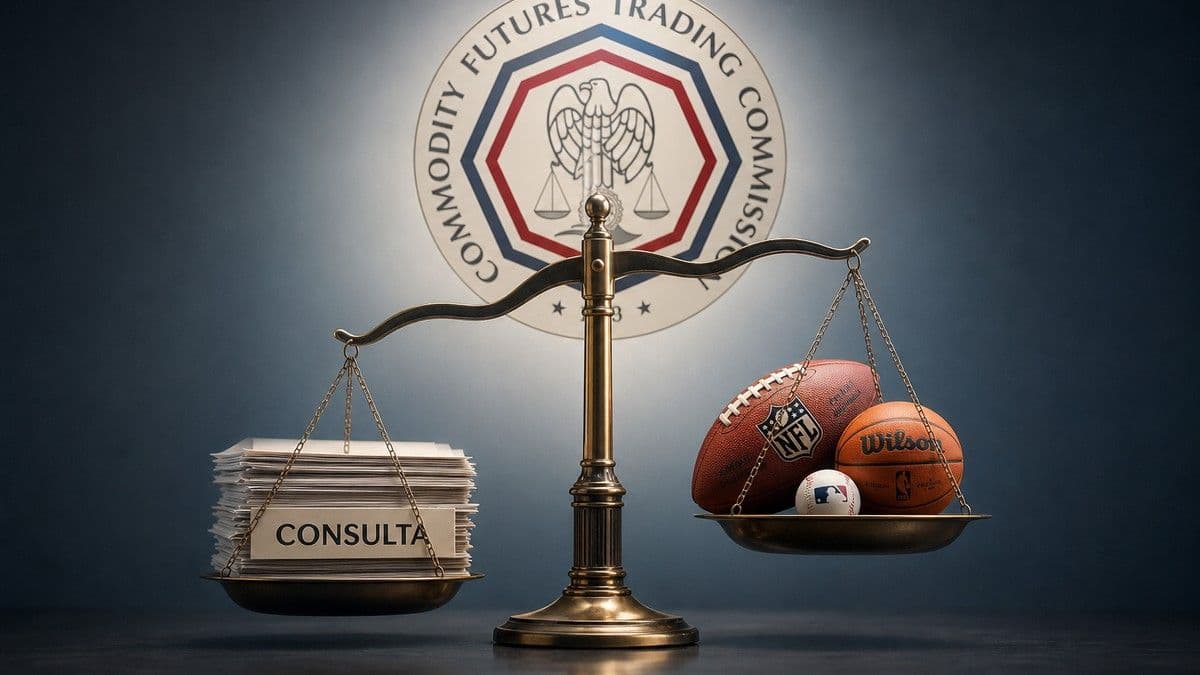
The National Congress of American Indians (NCAI) and the Indian Gaming Association (IGA) reiterated to the Commodity Futures Trading Commission (CFTC) that contracts based on sporting events, offered through predictive market platforms, constitute illegal gambling under federal, state, and tribal laws. These organizations demand formal and ongoing consultations between the CFTC and tribal nations, arguing that merely categorizing these sports wagers as "event contracts" does not alter their legal nature.
Sports Event Contracts and Gambling Law
Platforms offering contracts on sports outcomes as financial instruments face outright opposition from the NCAI and the IGA. Both organizations pointed out that the existing regulation of the CFTC prohibits event contracts related to gambling activities or illegal actions under state or federal regulations. Furthermore, the IGA explained that these contracts infringe the Indian Gaming Regulatory Act (IGRA) and the federal Wire Act, in addition to violating state gambling laws and tribal sovereignty. According to the NCAI and IGA's stance, designating a sports wager as a "predictive market" does not exempt it from gambling regulations.
The Importance of Government-to-Government Consultation with Tribal Nations
Both the NCAI and the IGA insisted that any federal decision impacting tribal gaming requires a direct, formal, and respectful consultation between governments. These issues directly affect the IGRA, state-tribal compacts, and tribal regulatory authority, as well as the very sovereignty of tribal governments. The organizations reaffirmed that meeting with tribal groups does not constitute formal consultation. Federally, consultation must occur before designing and implementing policies, not after decisions have been adopted.
"While we acknowledge the effort of Chair Selig in convening Monday's roundtable, to be frank: a roundtable is not consultation. What tribal nations require — and what federal law demands — is a government-to-government consultation, not a listening session. The roundtable did not meet that standard. Tribal nations deserve to be present when policies affecting their sovereignty, jurisdiction, economies, and essential services for tribal citizens are defined," stated Mark Macarro, NCAI President.
The Position of the Indian Gaming Association and Legal Repercussions
David Z. Bean, President of the Indian Gaming Association, described the CFTC's roundtable as "a missed opportunity" to achieve effective dialogue with tribal nations. Bean noted that the CFTC could not justify how sports betting becomes legitimate by simply changing its designation to event contracts. According to Bean, these products remain gambling, and where they are offered outside the federal, state, and tribal legal framework, the activity is illegal. The IGA demands that the CFTC comply with existing law and maintain direct contact with tribes before designing policies that may affect the IGRA and state-tribal compacts.
Support from Other Jurisdictions and Upcoming Regulatory Steps
The Deputy Attorney General of New Jersey, Jennifer Davenport, though not participating in the roundtable, supported the stance of tribal leaders. In a statement, she said: "Predictive markets offer sports betting without respecting our laws, openly challenging the authority of states and tribes. We will stand with tribes and a bipartisan coalition of states to oppose the irregular operation of predictive markets and protect our residents from the risks of that business model."
The NCAI and the IGA announced that they will continue dialogue with the CFTC and other federal entities, aiming to ensure compliance with existing gaming laws, respect for tribal sovereignty, and full consultation with tribal nations in any action that affects the Indian gaming landscape.
About the NCAI and Its Role in Tribal Gaming
The National Congress of American Indians, founded in 1944, is the oldest, largest, and most representative indigenous organization in the United States. The NCAI advocates for tribal governments and communities, focusing its work on solid government-to-government relationship policies and fostering a better public understanding of the rights and governmental structures of Indigenous peoples.
Regulatory Challenges Surrounding Predictive Markets
The controversy over sports event contracts adds to broader debates about the boundaries between gambling and financial products within the U.S. market. NCAI and IGA stressed that consultation on regulations must be prior, broad, and structured, not limited to single forums or isolated meetings. Continuity in dialogue will be key to defining how the boundary between innovation in predictive markets and respect for the structure and sovereignty of tribal gaming is regulated.
Frequently Asked Questions
Why do NCAI and IGA consider sports event contracts illegal?
They argue that these contracts constitute sports betting and violate federal, state, and tribal laws, including the IGRA and the Wire Act, even if presented as financial products.
What type of consultation do tribal organizations require from the CFTC?
They request a formal government-to-government consultation prior to any regulatory changes, rather than just meetings or briefings after decisions have been made.
What was the reaction of other states to the use of predictive markets?
New Jersey's Deputy Attorney General, Jennifer Davenport, expressed support for tribes, pledging to oppose sports betting models that evade state and tribal authority.
What do NCAI and IGA expect from the CFTC in the regulatory process?
The organizations aspire to maintain a continuous and formal dialogue, and for the CFTC to enforce existing gambling laws while respecting tribal sovereignty.
Tags
About the author

Renata Quiroga
Betting Markets Correspondent
Renata Quiroga covers sports betting and prediction markets — sportsbook launches, odds technology, event contracts, and the regulatory calls that decide what can be bet on and where. The reports open with the product or the ruling, name operators and platforms precisely, and explain the mechanics without needless jargon. When a book enters a Latin American market or a prediction exchange lists a contested contract, Renata Quiroga reports what changes for the bettor.
More from Renata Quiroga