Regulatory and Operational Landscape of the Gaming Market in the Philippines in 2026
The Philippines strengthens its regulatory framework after banning offshore activity, focusing on licenses, technical requirements, and B2B opportunities in a stricter and more professional environment.
Key Takeaways
- The offshore POGO model was abolished in 2025, shifting focus to the local market.
- In 2025, the gross gaming revenue in the Philippines reached $6.3 billion, with half generated online.
- The regulatory framework has tightened, with elevated requirements for operators and B2B suppliers.
- A moratorium on new online B2C licenses currently exists alongside stricter advertising restrictions.
- The Philippines maintains a robust yet increasingly selective industry targeted at established operators.
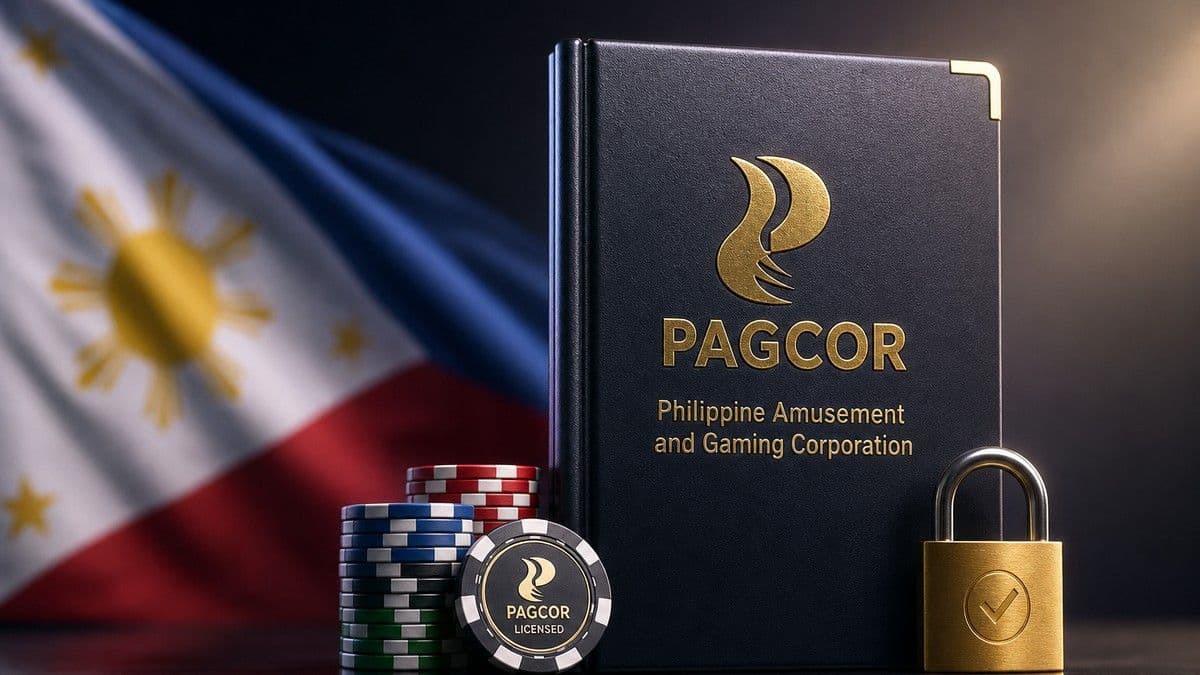
The gaming sector in the Philippines faces a phase of regulatory consolidation following the ban on the offshore model in 2025. The Philippine Amusement and Gaming Corporation (PAGCOR) centers the regulatory framework on the domestic market, demanding high technical, compliance, and capital standards from new operators and suppliers.
BLUF: New Environment Following the Closure of the Offshore Segment
The Philippines is one of the largest gaming markets in Southeast Asia. In 2025, the gross gaming revenue (GGR) reached $6.3 billion, with online and electronic activities representing nearly 50% and physical casinos accounting for 46%. After regulatory and reputational controversies in the offshore industry, the government prohibited the operation of Philippine Offshore Gaming Operators (POGOs) from 2025, redirecting the regulatory framework toward the local segment and tightening requirements for both operators and B2B suppliers.
Structure and Types of Gaming Licenses in the Philippines
The system includes several main categories:
- Casino License: Allows for physical casinos, requiring additional authorization for specific verticals (roulette, slots, poker, sports betting, bingo, live casino, and online products).
- Standard Gambling Venue (SGV): Authorizes a single physical or online vertical; online requires domain and platform approval.
- Unified Gambling Venue (UGV): Requires operation of at least two approved verticals; physical slots and online casino/bingo are mandatory. Others, such as online poker or sports betting, can be added without preliminary PAGCOR approval.
- Poker Licenses: Independent for physical rooms; online requires SGV or UGV authorization.
- B2B Licenses: Game suppliers, systems, payments, KYC, certification laboratories, and storage have differing regimes and fees.
Cockfighting, horse racing, and lotteries maintain separate authorizations or sectoral monopolies.
Philippines: Licensing Conditions and Costs
Obligations vary by product:
- Casino: Within the integrated resort model; the gaming area cannot exceed 7.5% of the auditable gross area, and minimum ratios per slot or table are imposed. Surveillance systems, internal controls, licensed personnel, and responsible gaming and AML/CFT programs are mandatory.
- SGV/UGV: Minimum terminals or seats required depending on the vertical. Players must be at least 21 years old and confirm their identity against the National Database of Restricted Persons (NDRP). Record keeping, CCTV monitoring, and safety certificates are required.
- Online: Always linked to a physical location. Capturing players outside the Philippines is prohibited; IP geo-blocking and deposit/betting limits must be implemented. Complete KYC is required before the first withdrawal, mandatory NDRP verification via API, and payments only through banked channels with AML compliance.
- Poker: Physical rooms require at least four tables and minimum distances from schools and churches. Online poker is only allowed as an additional authorized vertical.
Timeline and amounts differ:
- SGV: Minimum authorized capital of $80,000 and paid-up capital of $48,000. Initial costs range from $1,600 to $8,000 for 2-3 years; guarantee deposits start at $16,000.
- UGV: Three years validity, initial fee of $19,000, renewal at $12,800, and a deposit of $32,000 per site.
- Operators incur percentages on GGR: traditional bingo (20%), electronic (25%), casino/virtual (30%), live sports betting (15%), and online poker (15% of collections). B2B as Gambling System Administrator: accreditation $80,000/offer, deposits between $400,000 and $800,000, minimum billing and monthly payments subject to update in 2027.
- Poker rooms: offsite application of $1,600, approval $15,600, and monthly payments of $8,000 for the first tables.
Responsible Gaming, AML, and Advertising Obligations
Access to gaming is barred for under-21s, specific public officials, armed forces or police members, licensed staff, and unregistered individuals. All records collect personal information, occupation, income, and a current photo.
The national exclusion program allows for self-exclusion and exclusion at the request of family members or the operator for improper conduct; timeframes vary from six months to five years. Operators must implement comprehensive responsible gaming programs, incident handling, and staff training.
In AML, customer identification is required prior to operations and before any withdrawal. PAGCOR demands electronic monitoring of transactions, customer risk classification, alert systems, and independent internal audits every two years. Suspicious transactions must be reported even for low volume. Anonymous or fictitious accounts are prohibited.
Advertising must be socially responsible: never target minors, use minors, or equate gaming with guaranteed income. Materials must include ‘21+’ labels, risk alerts, and approved responsible slogans. Campaigns require prior approval from PAGCOR; mass SMS promotions only for already registered players. Outdoor advertising must be more than 200 meters from schools, religious centers, or markets.
Entry into the Philippine Market: Opportunities and Restrictions
As a consolidated jurisdiction, as of August 2026, there are 11 online licensees and more than 250 physical operators, alongside about 50 B2B suppliers. PAGCOR regulates system administrators, content providers, aggregators, and support services. Direct B2C income remains restricted by the moratorium imposed in March 2024 and in effect as of August 2026.
The boom of 2024-2025 has led to increased compliance demands and a more selective environment: only capital-strong participants with local partners will be able to compete. For technology suppliers and structured B2B services, there continues to be a relevant entry avenue, but the access threshold is high.
Recent Regulatory Updates and Evolution of the Philippine Gaming Market
Between 2025 and 2026, PAGCOR has tightened requirements for KYC, advertising, responsible gaming, payments, and B2B accreditation. New memoranda have been issued for UGV, B2B, cashback, and post-operational supervision. The online sector experienced a 22% drop in GGR in Q1 2026 compared to the previous year, and operational activity was limited by mandatory withdrawal of direct integrations with e-wallets.
The moratorium on new online licenses restricts direct B2C access. For existing operators, discounts and bonuses are limited, advertising regulation is stricter, and responsible communication is more procedural, with possible new restrictions under legislative development.
The Philippine market remains attractive but subject to frequent adjustments. Entry models must rely on regulatory adaptability and operational robustness rather than temporary regulatory conditions.
Frequently Asked Questions
Is online gaming allowed for foreign operators in the Philippines?
No, since 2025, licenses are only authorized for the domestic Philippine market following the ban on the offshore POGO model; attracting players from outside the country is not permitted.
What are the costs and main requirements for obtaining a UGV license in the Philippines?
A UGV license has an initial cost of approximately $19,000 for three years, requires at least physical slots, online casino, and bingo to operate, and mandates a deposit of $32,000 per establishment with a renewal fee of $12,800 every two years.
How is gaming advertising regulated in the Philippines?
Gaming advertising must be socially responsible, directed only at individuals over 21 years old, and pre-approved by PAGCOR; it must include ‘21+’ labels, risk warnings, and be distanced from sensitive areas like schools and places of worship.
Can online poker operate independently with a physical poker license in the Philippines?
No, to offer online poker a separate SGV or UGV authorization is required; physical poker licenses do not enable online products.
What AML and KYC measures are required in the Philippine gaming market?
All operators must fully identify the customer before any withdrawal, complete risk classification, report suspicious transactions, and maintain internal audits at least every two years according to PAGCOR guidelines and local AML regulations.
Tags
About the author

Gonzalo Marín
Industry Deals Correspondent
Gonzalo Marín covers the corporate deal flow of gambling — operator strategy, M&A, regulated-market entries, and product launches. The reports open with the transaction, cite companies, valuations, and jurisdictions exactly as released, and keep the announcement apart from its actual effect. When a Latin American operator raises capital or a European brand lands in the region, Gonzalo Marín reports who signs, for how much, and on what terms.
More from Gonzalo Marín