BGC says 25% Machine Games Duty will cost ~9,000 jobs and hundreds of venues
EY projects almost 9,000 job losses and nearly 1,000 shop and casino risks after MGD rises to 25%

Key Takeaways
- EY projects the 25 per cent Machine Games Duty could displace nearly 9,000 workers and put almost 1,000 venues at risk.
- The sector is already absorbing a prior £1.7 billion tax package that included a rise to 40 per cent online gaming duty in April 2026.
- Over 600 betting shops have closed since the earlier measures, with more than 11,000 jobs lost or placed at risk across online and retail channels.
- The industry contributes £6.8 billion to the British economy, generates over £4 billion in tax receipts and sustains 109,000 jobs.
The Betting and Gaming Council has warned that the Chancellor’s decision to raise Machine Games Duty to 25 per cent risks nearly 9,000 job losses and places almost 1,000 betting shops and casinos at serious risk of closure. The council cited independent projections by EY to support its assessment of the October 2026 budget change.
What the projections say
EY's modelling, as cited by the Betting and Gaming Council (BGC), indicates that the rise in Machine Games Duty (MGD) to 25 per cent could displace nearly 9,000 workers and put almost 1,000 betting shops and casinos in severe danger of permanent closure. The BGC presented those figures in response to the Chancellor’s fiscal package and the published duty increases.
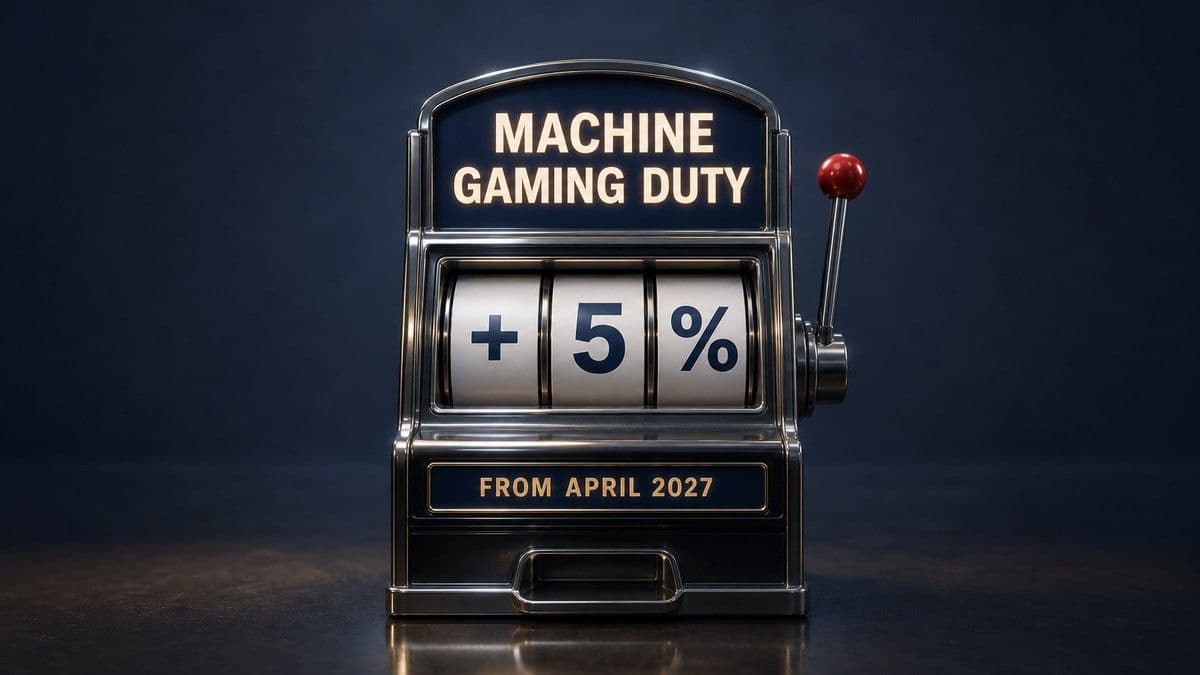
The regulated sector is already absorbing the impact of a prior £1.7 billion tax package. As part of that earlier package, online gaming duty rose to 40 per cent in April 2026, and general betting duty is scheduled to rise to 25 per cent in April 2027. Since the earlier measures, more than 600 betting shops have closed or announced closures, with over 11,000 jobs lost or placed at risk across online and retail channels.
Geographic and community impact
The BGC highlighted vulnerability in Britain’s regions outside London. More than eight in ten betting shop jobs are located outside the capital, concentrating exposure in the North of England and Scotland. The council said closures tend to remove commercial activity from high streets where alternative employment opportunities are limited and where affected roles are frequently held by young people, working parents and primary carers.
The tax increase also threatens the industry’s financial contributions to sport. The BGC quantified those contributions as approximately £350 million a year to horseracing and more than £40 million to the English Football League and Scottish football combined, in addition to support for rugby league, darts and snooker.
Regulator, industry size and fiscal context
The BGC noted the regulated industry currently contributes £6.8 billion to the British economy, generates over £4 billion in tax receipts and sustains 109,000 jobs. The council argued that the cumulative tax burden — combining the earlier £1.7 billion measures with the new 25 per cent MGD — will further strain operators’ margins and viability.
“This is a deeply damaging decision and a blow to the thousands of workers, businesses and communities who depend on Britain’s regulated betting and gaming industry,” said Grainne Hurst, Chief Executive of the Betting and Gaming Council. “At 25 per cent, EY projects almost 9,000 people could lose their jobs and almost 1,000 betting shops and casinos could close or be at serious risk.”
Hurst added that venue closures hollow out high streets and hand a competitive advantage to illegal operators that evade taxes and ignore consumer safety standards.
Wider consequences flagged by the BGC
The council warned that higher taxes on the regulated sector will likely drive customers to unregulated illegal operators, reducing consumer protections and the industry’s capacity to fund sport and community programmes. The BGC called the decision at odds with recent Government growth reforms for Britain’s casinos and said it undermines planned high-value investments in the sector.
For regulatory readers, the budget decision and the BGC response are now part of the operational and compliance landscape that follows the April 2026 and April 2027 duty changes; the industry response and any further analysis by bodies such as EY will shape immediate commercial planning. See related coverage on regulation and sector reaction in our news section.
Frequently Asked Questions
What job losses does the BGC say will follow the MGD increase?
The Betting and Gaming Council says EY projects nearly 9,000 job losses as a result of the Machine Games Duty rising to 25 per cent. The BGC cited EY's modelling when presenting the figure in its reaction to the Chancellor’s decision.
How many betting shops and casinos are at risk after the duty rise?
The BGC cited EY in saying almost 1,000 betting shops and casinos could close or be at serious risk following the MGD increase to 25 per cent. That risk is compounded by earlier closures, with more than 600 shops already closed or announced as closed.
What prior tax changes has the industry already absorbed?
The industry has already been hit by a previous £1.7 billion tax package that included online gaming duty moving to 40 per cent in April 2026 and a scheduled rise of general betting duty to 25 per cent in April 2027.
How much does the regulated industry contribute to sport funding, according to the BGC?
The BGC said the industry contributes approximately £350 million a year to horseracing and over £40 million to the English Football League and Scottish football, plus support for rugby league, darts and snooker.
Tags
About the author

Eleanor Whitfield
Regulatory Affairs Correspondent
Eleanor Whitfield tracks gambling legislation, licensing decisions, and regulator enforcement across key markets — from the UKGC, MGA, and Germany's GGL to Spain's DGOJ and the state-by-state map in the Americas. The reporting answers three questions precisely: what changed, where, and who it affects, with jurisdictions, effective dates, and penalty figures named exactly as published. Compliance officers and operators read Eleanor Whitfield to know which rulebook moved before their next board meeting.
More from Eleanor Whitfield