World Cup Betting: Only 1% Annual Revenue Boost for Operators?
Examining if the World Cup's real value lies in customer acquisition or incremental revenue for betting operators.
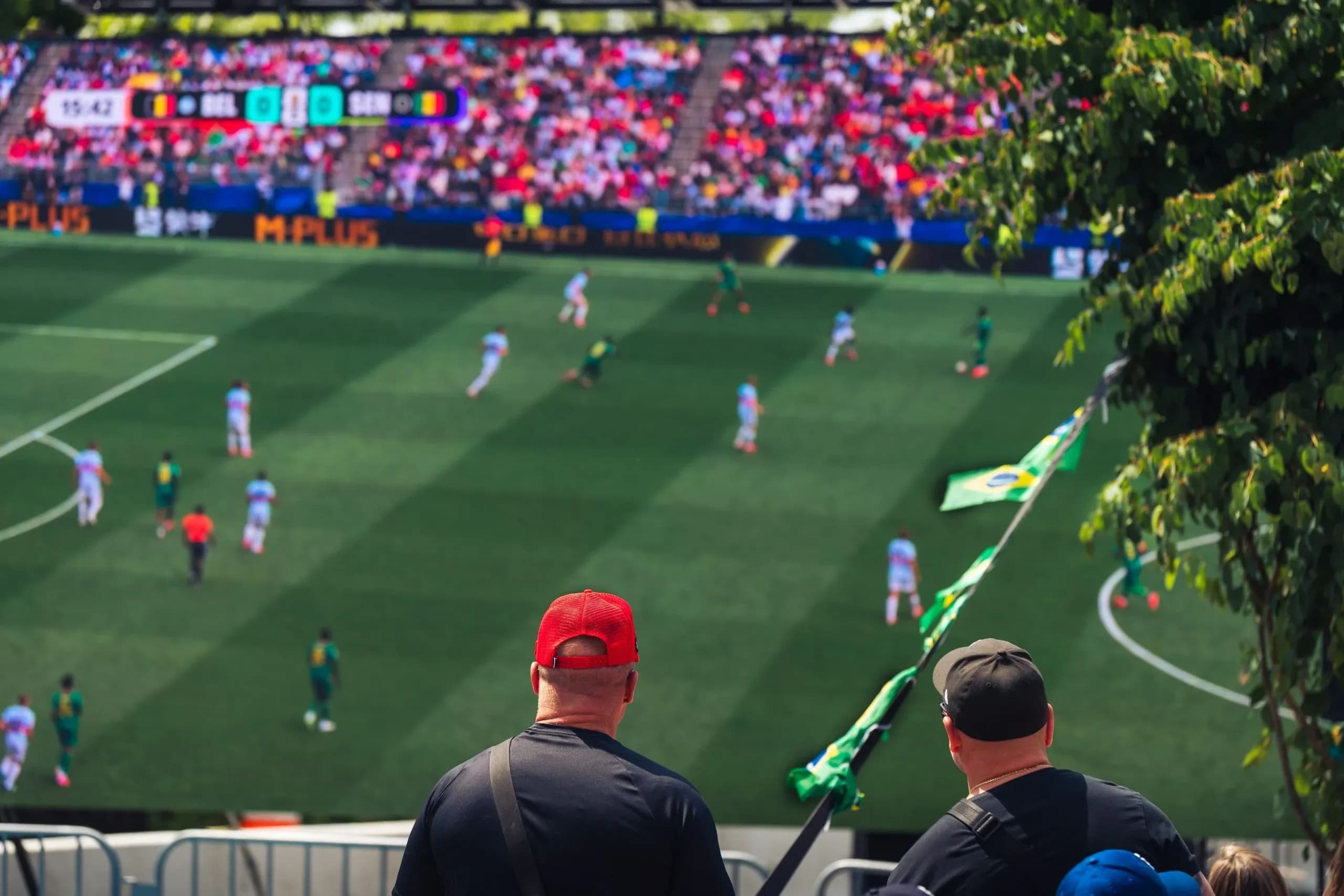
As the World Cup unfolds across the United States, Mexico, and Canada, betting operators are assessing the tournament's financial impact. Despite its popularity, the event contributes only about 1% to annual operator revenue, according to Entain's CEO, Stella David. The tournament's role may lie more in customer acquisition than in direct revenue streams.
The Revenue Impact of Major Tournaments
Investment bank Macquarie predicted global World Cup wagers might reach $50 billion. Yet, Entain conveys a more modest outlook, estimating a 1% impact on yearly revenue. According to Ed Birkin of H2 Gambling Capital, major tournaments often function chiefly as customer acquisition tools and contribute around 7% to sports turnover in certain markets.
The Influence of Game Outcomes
This year's World Cup expansion to include 48 teams has led to increased matches and unexpected results, impacting operators' performances. First-time qualifiers like Cape Verde achieving draws against Spain and Uruguay illustrate how unexpected outcomes can disrupt predictions. Chad Beynon from Macquarie Group noted that progressing major teams could significantly amplify operators' earnings.
Beyond Immediate Profits: Casino Cross-sell Opportunities
Neal Menashe, CEO of Super Group, views the World Cup as prime for cross-selling. "Sports betting leads customers to iGaming," he claims, expecting a 60%-70% crossover. While Beynon agrees, Birkin notes skepticism about the U.S. market's ability to effectively cross-sell, especially as online gaming expansion lags behind.
Strategic Customer Acquisition
Robeson Reeves of Bally’s Intralot advocates a cautious approach, focusing on acquiring competitors' customers post-World Cup, rather than engaging in costly marketing blitzes. Beynon supports this strategy, highlighting Bally’s profit-focused philosophy and selective customer acquisition methods.
The US Market's Potential
With the World Cup returning to North America since 1994, operators like DraftKings are poised to capitalize. DraftKings’ Greg Karamitis underscores customer acquisition and deeper engagement as the event's lucrative opportunities. Their offerings, tailored to Spanish-speaking audiences, position them for market leadership.
Examining Marketing Expenses
The World Cup sees rising marketing costs as operators rush to capitalize on the spectacle. Ed Birkin argues that while high, these costs are necessary to maintain market presence. DraftKings’ Karamitis sees these investments as justified given the long-term customer value.
The Role of Prediction Markets
Emerging competitors in the form of prediction markets could further pressure traditional betting firms. While Beynon sees significant revenue from prediction markets, Birkin believes their impact on conventional operators, particularly in the U.S., remains limited due to regulatory challenges.
Long-term Strategies after the Final Whistle
Beyond the immediate event, sportsbooks aim to convert tournament engagement into long-lasting player loyalty. For DraftKings’ Karamitis, success lies in executing technology and marketing strategies to retain customer interest and relevance.
Tags
About the author

Tessa Coleman
Betting Markets Correspondent
Tessa Coleman covers betting products and markets — sportsbook launches, odds and trading technology, and the fast-growing prediction-market space from regulated exchanges to event contracts. The stories lead with the product or the ruling, name the operators and platforms precisely, and translate trading jargon into what bettors can actually do. When a book reworks its pricing or a prediction market wins a license fight, Tessa Coleman explains the mechanics and the stakes.
More from Tessa Coleman