Bryn Kenney sues NSUS Group over affiliate commissions and promised 5% stake
He says affiliate income fell from $5m in 2019 to $3m in 2025 and seeks damages.
Key Takeaways
- Bryn Kenney sued NSUS Group alleging reduced affiliate commissions and an unfulfilled promise of a 5% stake.
- Kenney says his affiliate income dropped from $5,000,000 in 2019 to $3,000,000 in 2025.
- NSUS and CEO Mansoo “Michael” Kim filed a motion to dismiss on 23 September and a hearing is scheduled for 12 November.
- The complaint alleges Kenney paid one player $1,000,000 after an alleged $6,000,000 failure to distribute funds.
- Kenney connects the disputed equity to NSUS’s $500,000,000 acquisition of the World Series of Poker in 2024.
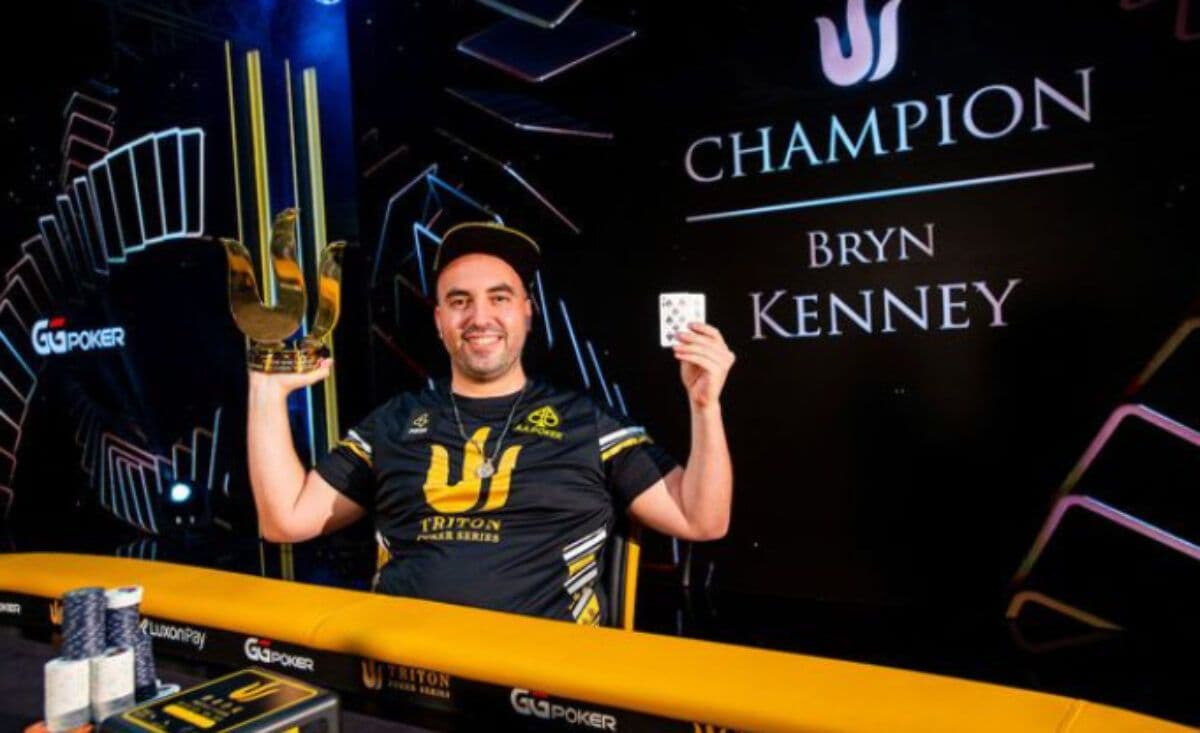
Bryn Kenney has filed suit against NSUS Group, the parent company of GGPoker, alleging reduced affiliate commissions and a broken promise of a 5% ownership stake, the complaint states. The suit seeks compensatory and punitive damages plus an accounting of company records; NSUS and CEO Mansoo “Michael” Kim filed a motion to dismiss on 23 September and a hearing is set for 12 November.
Claims over commissions, equity and payments
Kenney alleges his affiliate income fell from about $5,000,000 in 2019 to $3,000,000 in 2025 because GGPoker removed recruits from his affiliate tracking, imposed unauthorized fees and approached sub-agents directly. He says an equity promise from 2018 included recurring affiliate payments, equity and an ambassador role, and that the alleged failure to deliver a 5% stake deprived him of participation in NSUS’s later deals.
The complaint links that alleged loss to NSUS’s $500,000,000 acquisition of the World Series of Poker in 2024, saying Kenney’s work supported the transaction and that undelivered equity therefore had additional value.
Allegations beyond money
Kenney raises security and player-payment allegations against CEO Mansoo “Michael” Kim and GGPoker. He claims Kim knew about cheating yet failed to address it despite earlier assurances that security and anti-cheating teams protected the platform. The suit says Kim later blamed players Kenney recruited.
Kenney also asserts he guaranteed player bankrolls and personally paid one player $1,000,000 after Kim allegedly failed to distribute $6,000,000 to players. The complaint alleges GGPoker recruited American players and assisted them in accessing the platform; those are presented as allegations in the filing.
"In the world of poker, deceit, misdirection, and misstatement are fair game. In the world of commerce, they are illegal," the complaint states.
Kenney initially filed in Clark County District Court in July; the case transferred to the U.S. District Court in August. Neither NSUS nor Mansoo “Michael” Kim has publicly commented on the case. For regulatory context see regulation.
Frequently Asked Questions
What is Bryn Kenney suing NSUS Group for?
He is suing over allegedly reduced affiliate commissions and an unfulfilled promise of a 5% ownership stake. The complaint seeks compensatory and punitive damages plus an accounting of company records.
How much does Kenney say his affiliate income changed?
Kenney alleges affiliate income fell from about $5,000,000 in 2019 to $3,000,000 in 2025, a decline he attributes to tracking removals, unauthorized fees and direct approaches to sub-agents.
What court actions have been taken so far in the case?
NSUS and CEO Mansoo “Michael” Kim filed a motion to dismiss on 23 September, and a hearing on that motion is scheduled for 12 November. The suit was initially filed in Clark County District Court in July and transferred to the U.S. District Court in August.
Does the complaint make other allegations beyond commissions?
Yes, it alleges security failures and player-payment issues, including that Kenney personally paid one player $1,000,000 after an alleged $6,000,000 failure to distribute funds, and that GGPoker recruited American players and helped them access the platform.
Tags
About the author

Oliver Grant
Industry Technology Correspondent
Oliver Grant covers the technology and business machinery of iGaming — platform and data deals, AI and compliance tooling, affiliate and marketing shifts, and the quarterly numbers behind them. The reports lead with the announcement, name the vendors and figures exactly as published, and separate genuine capability from press-release promise. When a supplier ships a new engine or a regulator tightens ad rules, Oliver Grant explains what actually changes for the companies involved.
More from Oliver Grant