Utah sues Kalshi seeking $61.2m and ban on state trading
Complaint filed 20 October cites $3bn in Utah user volume and seeks profits plus injunctive relief.
Key Takeaways
- The Attorney General of Utah filed a complaint on 20 October seeking $61.2 million in damages from Kalshi and two Susquehanna firms.
- The complaint alleges about $3 billion was traded by Utah users, generating estimated fees to Kalshi of $30.6m–$61.2m.
- Utah asks the Third District Court of Utah to bar Kalshi from offering sports and political event contracts to Utah residents and to forfeit profits.
- Kalshi says it is licensed by the Commodity Futures Trading Commission and denies operating as a gambling entity.
- The complaint follows an August ruling by US District Judge Robert J. Shelby that the Commodity Exchange Act does not block state gambling enforcement in these contracts.
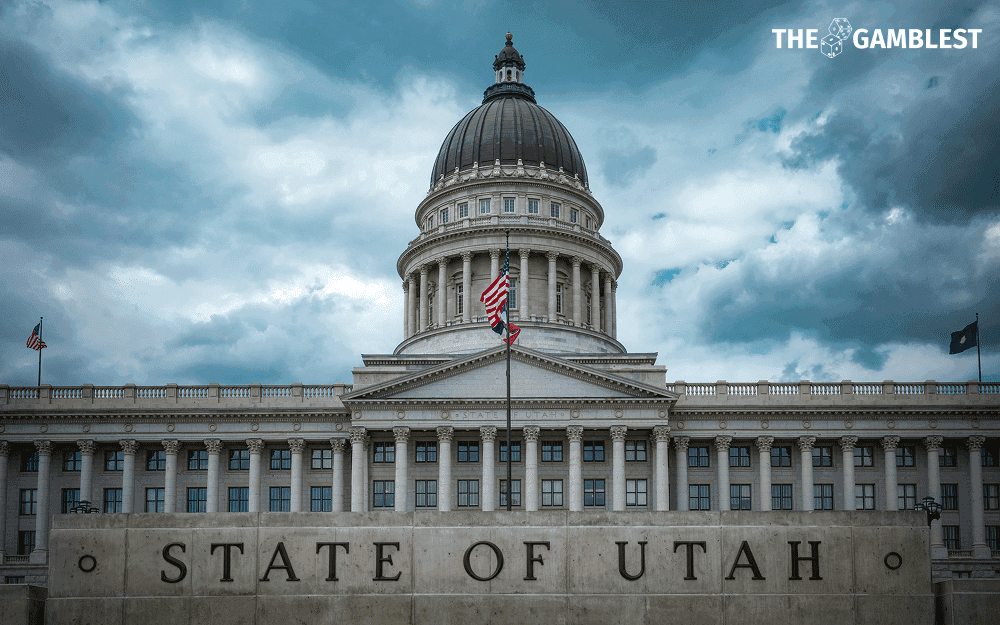
The Attorney General of Utah filed a court complaint against Kalshi and two Susquehanna trading firms on 20 October, seeking $61.2 million in damages plus additional monetary and injunctive relief. The complaint asks the Third District Court of Utah to bar Kalshi from offering event contracts tied to sports and politics to Utah residents and to strip the company of profits earned from allegedly illegal transactions.
Allegations and claimed volumes
The legal filing states that users in Utah traded about $3 billion on Kalshi, producing estimated fee revenue to the company between $30.6 million and $61.2 million. The complaint asks the court to prevent Kalshi from receiving those profits and to enjoin further trading of the specified event contracts in Utah.
Kalshi's position and regulatory argument
Kalshi disputes Utah's position and says it holds a licence from the Commodity Futures Trading Commission (CFTC). A company spokesperson said:
"Kalshi is supervised by CFTC and its clients only trade with each other while the prices are set during the process of trading."
The central legal question is whether state gambling laws can be applied to event contracts that are regulated at the federal level as prediction markets.
Legal precedent and recent ruling
The current complaint follows an August ruling by US District Judge Robert J. Shelby, who ruled for Utah in its earlier action against Kalshi. Judge Shelby held that the Commodity Exchange Act does not preclude state enforcement of gambling regulations in cases involving Kalshi's sports event contracts, a decision described in the complaint as adverse to Kalshi's federal-preemption defence.
Frequently Asked Questions
What did Utah’s complaint against Kalshi request?
The complaint requested $61.2 million in damages plus other monetary and injunctive relief and asked the Third District Court of Utah to prohibit Kalshi from trading sports and political event contracts in Utah and from receiving profits from those transactions.
How much trading by Utah users does the state allege occurred on Kalshi?
Utah alleges about $3 billion was traded by users from Utah, producing estimated fee revenue to Kalshi of between $30.6 million and $61.2 million.
What is Kalshi’s defence in the dispute?
Kalshi contends it is licensed and supervised by the Commodity Futures Trading Commission and says clients trade with each other while prices are set during trading; the company disputes that its products are gambling.
How does the August ruling by Judge Robert J. Shelby affect the case?
Judge Robert J. Shelby ruled in August that the Commodity Exchange Act does not prevent a state from applying its gambling regulations to Kalshi’s sports event contracts, which the current complaint cites as a legal setback for Kalshi’s federal-preemption argument.
Tags
About the author

Tessa Coleman
Betting Markets Correspondent
Tessa Coleman covers betting products and markets — sportsbook launches, odds and trading technology, and the fast-growing prediction-market space from regulated exchanges to event contracts. The stories lead with the product or the ruling, name the operators and platforms precisely, and translate trading jargon into what bettors can actually do. When a book reworks its pricing or a prediction market wins a license fight, Tessa Coleman explains the mechanics and the stakes.
More from Tessa Coleman